ABSTRACT
Directed energy deposition (DED) enables the efficient fabrication and repair of large metal components. However, repeated reuse of the powder generates degraded particles, which must be removed by sieving. This study used scanning electron microscopy and laser diffraction particle size analysis to characterize the sieve-rejected Inconel Alloy 939 powder collected sequentially after each of four DED processing cycles (R1–R4). The rejected powder consistently contained elongated, irregular, and satellite-attached particles, and its particle size increased progressively with each reuse cycle. The mean particle size increased by 16.8%, from 51.1 μm for R1 to 59.7 μm for R4. The D10, D50, and D90 values also increased, with D90, for example, rising from 71.5 to 82.2 μm. These results suggest that sieving may serve as an important quality control step for maintaining powder quality when the powder is repeatedly reused in DED.
-
KEYWORDS: Additive manufacturing, Directed energy deposition, Powder reuse, Powder morphology
-
KEYWORDS: 적층 제조, 직접 에너지 증착, 분말 재사용, 분말 형상
1. Introduction
Directed energy deposition (DED) is one of the most widely adopted metal additive manufacturing (AM) technologies owing to its capability to fabricate large-scale components, repair high-value parts, and produce near-net-shape structures with high material utilization [
1-
3]. Compared with powder bed fusion processes, DED offers greater flexibility in repairing or adding material to existing components, making it attractive for aerospace, energy, and defense applications [
4,
5]. Since metallic powders account for a significant portion of the manufacturing cost, repeated powder reuse has become an important strategy for improving the economic feasibility and sustainability of DED [
6,
7].
The performance and reliability of the DED process strongly depend on the quality of the feedstock powder. Powder characteristics such as particle size distribution, particle morphology, flowability, and chemical composition directly influence powder feeding behavior, deposition stability, and the quality of the fabricated components [
8,
9]. Consequently, maintaining consistent powder quality throughout repeated reuse cycles is essential for ensuring stable processing and reproducible mechanical properties [
10].
During repeated DED processing, the remaining powder is commonly recovered and classified through a sieving process before being reused [
6]. Generally, only powders within a specified particle size range are reused for subsequent fabrication, whereas particles outside the allowable size range are discarded [
11]. In addition to particle size, repeated thermal exposure and particle interaction during the DED process may alter particle morphology through oxidation, satellite formation, and particle coarsening, which can adversely affect powder flowability and feeding stability [
12,
13]. Consequently, sieving is considered an essential quality control step for maintaining stable powder delivery during repeated powder reuse.
Previous studies on DED powder reuse have primarily focused on the physical characteristics of reusable powder or the mechanical properties of components fabricated using repeatedly reused powder [
14,
15]. These studies have demonstrated that repeated powder reuse can lead to changes in particle size distribution, morphology, and chemical composition with increasing reuse cycles [
13,
16-
18]. However, despite the practical importance of the sieving process, the powder fractions removed during sieving have received little attention. These rejected particles may contain valuable information regarding the degradation accumulated during repeated powder reuse because they represent the powder that no longer satisfies the requirements for continued processing. Thus, investigating the characteristics of sieve-rejected powder can provide a better understanding of powder degradation mechanisms and help evaluate the effectiveness of the sieving process in maintaining powder quality.
In particular, Ni-based superalloy powders are widely used in DED because of their excellent mechanical properties and resistance to oxidation and corrosion at elevated temperatures [
19,
20]. Previous studies on Ni-based alloys, including IN625 and IN718, have investigated the effects of powder reuse on particle morphology, particle size distribution, chemical composition, and the properties of deposited materials [
21,
22]. In other words, relatively little attention has been given to the characteristics of sieve-rejected powder generated during the repeated reuse of Ni-based superalloys.
Therefore, this study investigates the morphological and particle size characteristics of sieve-rejected Ni-based powder generated during repeated powder reuse in DED. The morphology, elemental distribution, and particle size distribution of the rejected powder collected after each reuse cycle were systematically characterized using scanning electron microscopy (SEM), energy-dispersive X-ray spectroscopy (EDS), and laser diffraction particle size analysis. The findings provide new insights into the characteristics of discarded powder during repeated DED powder reuse and demonstrate the importance of the sieving process as a quality control strategy for sustainable powder recycling.
2. Methodology
2.1 Material and Equipment
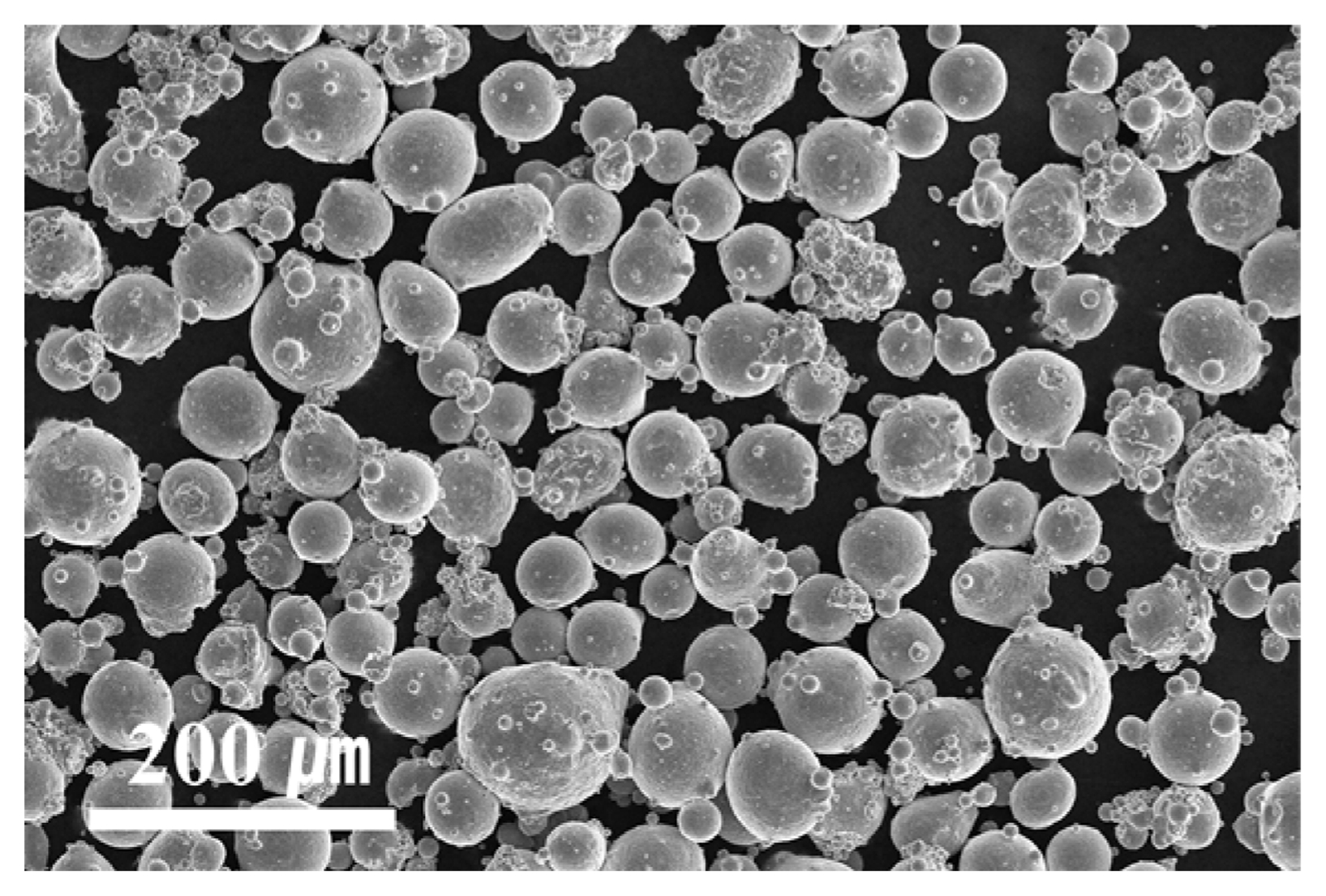
Inconel Alloy 939 (IN939; GT939, GODTECH, Republic of Korea) was employed as the feedstock material for the DED process. The morphology of the virgin IN939 powder used in this study is shown in
Fig. 1. The D
10, D
50, and D
90 values of the virgin powder were 51.0, 85.1, and 134.2 μm, respectively, with a mean particle size of 89.4 μm. According to the manufacturer's datasheet, heat-treated IN939 exhibits an ultimate tensile strength of approximately 1,460–1,560 MPa and an elongation of 9.5–11%, whereas the as-built material shows a UTS of approximately 1,090–1,160 MPa and an elongation of 24–28%. The nominal chemical composition of the GT939 powder was Ni (balance), Cr (22.71 wt.%), Co (19.02 wt.%), Ti (3.77 wt.%), W (2.06 wt.%), Al (1.94 wt.%), Zr (1.94 wt.%), Ta (1.46 wt.%), Nb (1.01 wt.%), C (0.14 wt.%), Fe (0.050 wt.%), Cu (0.04 wt.%), Mn (0.003 wt.%), Si (0.002 wt.%), P (0.002 wt.%), S (0.002 wt.%), N (0.006 wt.%), O (0.011 wt.%), B (< 0.10 wt.%), and Mo (< 0.10 wt.%). The DED process was carried out using an MX-Fab1 equipped with a PCM Multi system (InssTek Inc., Republic of Korea). The system employs a Ytterbium fiber laser with a wavelength of 1,064 nm and a beam diameter of 1,200 μm. The laser power was automatically adjusted according to the DMT mode during the deposition process, ranging from 530 to 756 W (DMT modes 1–10). The scanning speed, layer height, hatch spacing, and nozzle stand-off distance were set to 850 mm/min, 0.45, 0.8, and 9.0 mm, respectively. The powder feed rate, powder carrier gas flow rate, and shielding gas flow rate were maintained at 5.0 g/min, 3 L/min, and 10 L/min, respectively.
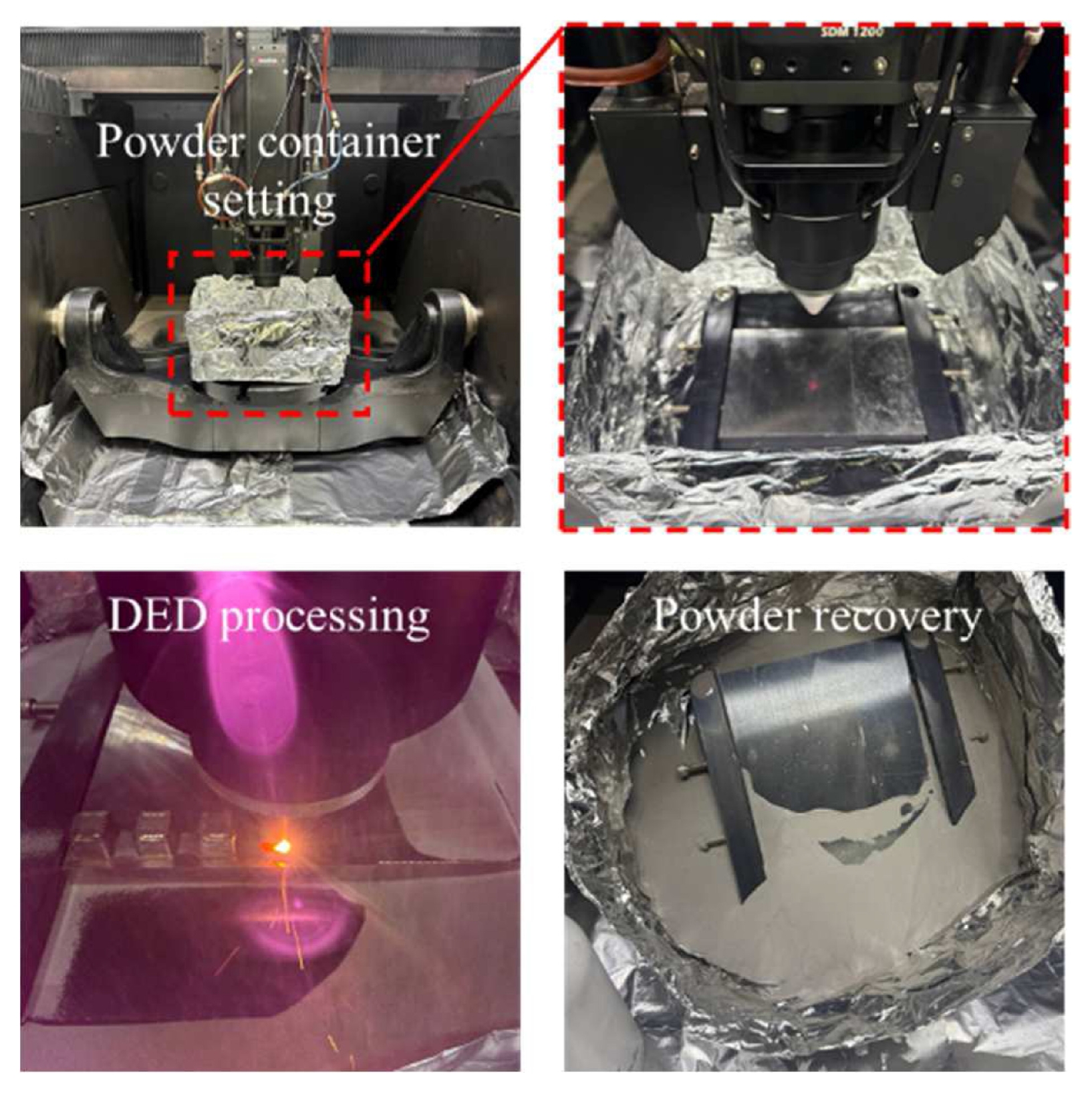
A total of 6 kg of virgin IN939 powder was initially prepared for the DED process. During each powder reuse cycle, 10 mm × 10 mm × 10 mm cubic specimens were continuously fabricated until the available powder was completely consumed. Following each deposition cycle, the used powder was recovered from the deposition chamber, as shown in
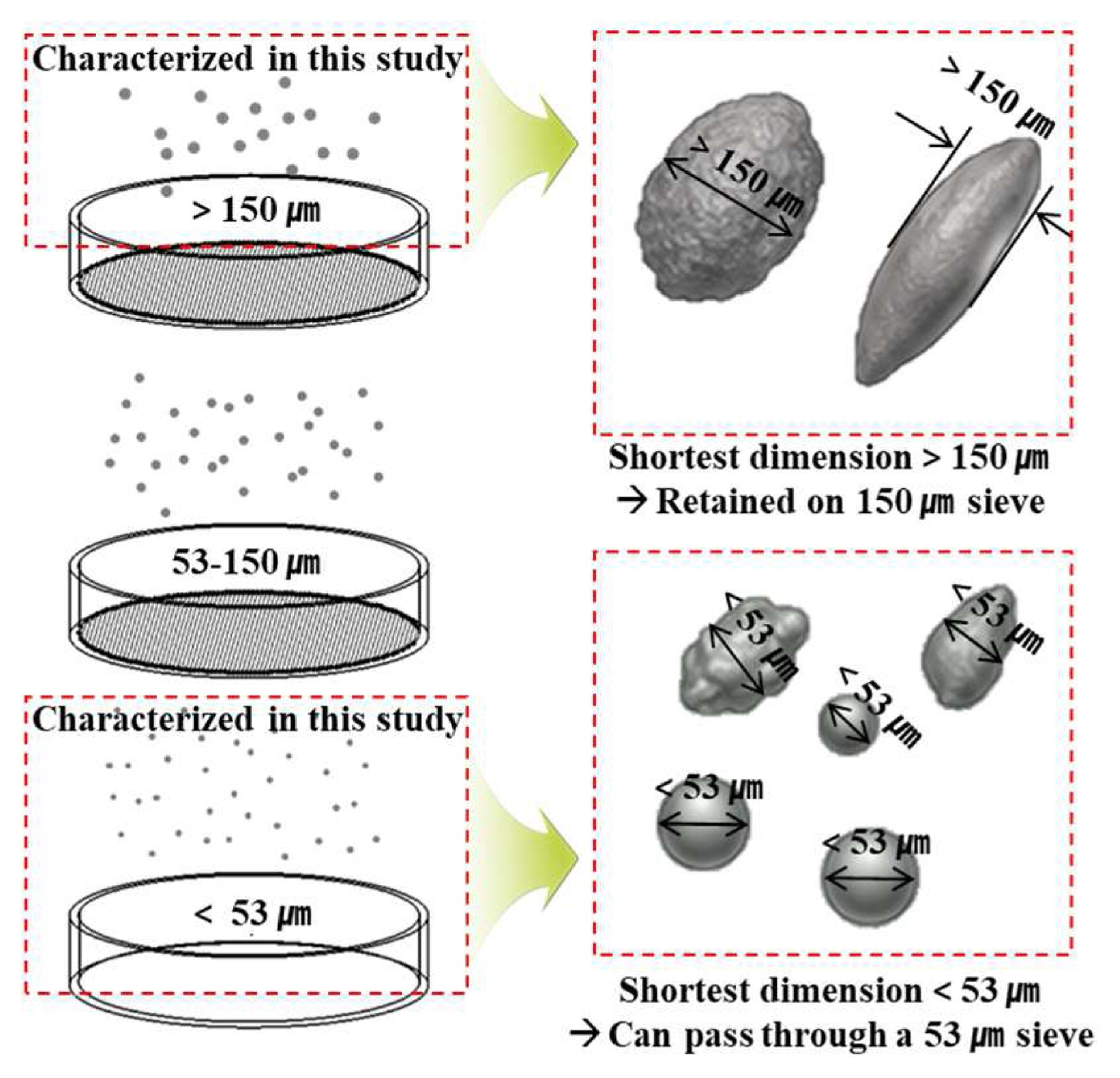
Fig. 2, and classified by sieving using 53 and 150 μm meshes, thereby separating the recovered powder into three particle size fractions: < 53 μm, 53–150 μm, and > 150 μm, as illustrated in
Fig. 3. The sieving process was performed manually for 10 min by hand-shaking the 53 and 150 μm sieves. According to previous studies, only the powder fraction within the particle size range of 53–150 μm was considered suitable for reuse and was employed in the subsequent DED process [
23-
25]. Accordingly, the fractions below 53 μm and above 150 μm, both of which were excluded from reuse, were collectively defined as the sieve-rejected powder and collected for physical characterization. It should be noted that, for non-spherical or elongated particles, passage through the sieve depends on the particle dimensions and orientation relative to the sieve aperture. As illustrated in
Fig. 3, particles with a shortest dimension larger than 150 μm are retained on the 150 μm sieve, whereas particles with a shortest dimension smaller than 53 μm may pass through the 53 μm sieve depending on their orientation. Therefore, an elongated particle may pass through the 53 μm sieve even when its longer dimension exceeds 53 μm. The < 53 μm and > 150 μm fractions were not mixed in equal amounts or at a predetermined mass ratio. Instead, the powder naturally separated into these two fractions during each sieving cycle was collected and analyzed as the sieve-rejected powder without adjusting their relative proportions. The amount of the > 150 μm fraction may be relatively small compared with that of the < 53 μm fraction. This can be attributed to the fact that particles are retained on the 150 μm sieve only when their dimensions are sufficiently large to prevent passage through the sieve aperture, whereas elongated particles with a longer dimension exceeding the nominal sieve size may still pass through depending on their shorter dimension and orientation. Therefore, the particle-size characteristics of the sieverejected powder were primarily influenced by the naturally generated proportions of the two rejected fractions rather than by an artificially controlled mixing ratio. The mass proportions of the two fractions were not separately quantified in this study. The DED processing–recovery–sieving procedure was conducted for four consecutive cycles. The sieve-rejected powders collected sequentially after each DED cycle were designated as R1, R2, R3, and R4, respectively. R1 represents the first sieve-rejected powder collected after the initial DED processing of the virgin powder, while R2, R3, and R4 represent the second, third, and fourth sieve-rejected powders collected during the subsequent DED cycles, respectively. No fresh IN939 powder was added between the consecutive cycles.
The morphology and elemental composition of the powder particles were characterized using a field-emission scanning electron microscope (FE-SEM; Apreo 2S, Thermo Fisher Scientific, USA) equipped with an energy-dispersive X-ray spectroscopy system. SEM observations were performed to investigate the morphological characteristics of the sieve-rejected powder during repeated powder reuse, while EDS elemental mapping was conducted to qualitatively examine the distribution of oxygen. The particle size was measured using a laser diffraction particle size analyzer (1090LD Shape Analyzer, CILAS, France) based on the Fraunhofer diffraction theory. Distilled water was used as the dispersion medium, and the powder suspension was ultrasonically dispersed for 60 s prior to each measurement to minimize particle agglomeration. For each powder sample, particle size measurements were repeated three times (n = 3) using the same prepared suspension, and the results are presented as the mean ± standard deviation.
3. Results and Discussion
3.1 Morphological Characteristics of Sieve-rejected Powder
Fig. 4 presents the SEM micrographs and corresponding oxygen elemental mapping images of the sieve-rejected powder collected after each powder reuse cycle (R1–R4). Regardless of the reuse cycle, the rejected powder exhibited a wide range of particle morphologies. In addition to predominantly spherical particles, elongated particles (yellow circles), irregularly shaped particles, and particles with attached satellite particles were consistently observed in all rejected powder samples. Compared with the ideal spherical morphology required for stable powder reuse, the sieve-rejected powder generally exhibited reduced sphericity and increased morphological irregularity. The elongated particles are considered to have originated from repeated thermal exposure and particle interaction during the DED process, while the attached satellite particles further increased surface roughness and geometric irregularity [
17,
26]. These morphological features are expected to adversely affect powder flowability and powder feeding stability. No distinct progressive change in morphology was observed with increasing powder reuse cycles. Nevertheless, the same characteristic defects, including elongated particles, reduced sphericity, and satellite-attached particles, were consistently identified in all sieve-rejected powder samples, indicating that these particles had already become unsuitable for reuse when removed during the sieving process [
27,
28]. Such morphologically degraded particles may interfere with stable powder transport and increase the likelihood of powder feeding instability or nozzle clogging during the DED process [
29,
30]. Therefore, the results suggest that the primary role of the sieving process extends beyond simple particle size classification. These results suggest that, by removing particles with degraded morphology, sieving may contribute to maintaining stable powder delivery during repeated powder reuse in DED systems. In addition to the morphological analysis, oxygen was detected in the rejected powder throughout all reuse cycles; however, no clear progressive change in oxygen distribution was observed from R1 to R4. The presence of oxygen suggests surface oxidation of the rejected powder, which is important because oxidation of reused metallic powders can affect powder characteristics and contribute to oxide inclusions in subsequently deposited materials [
31].
3.2 Particle Size of Sieve-rejected Powder
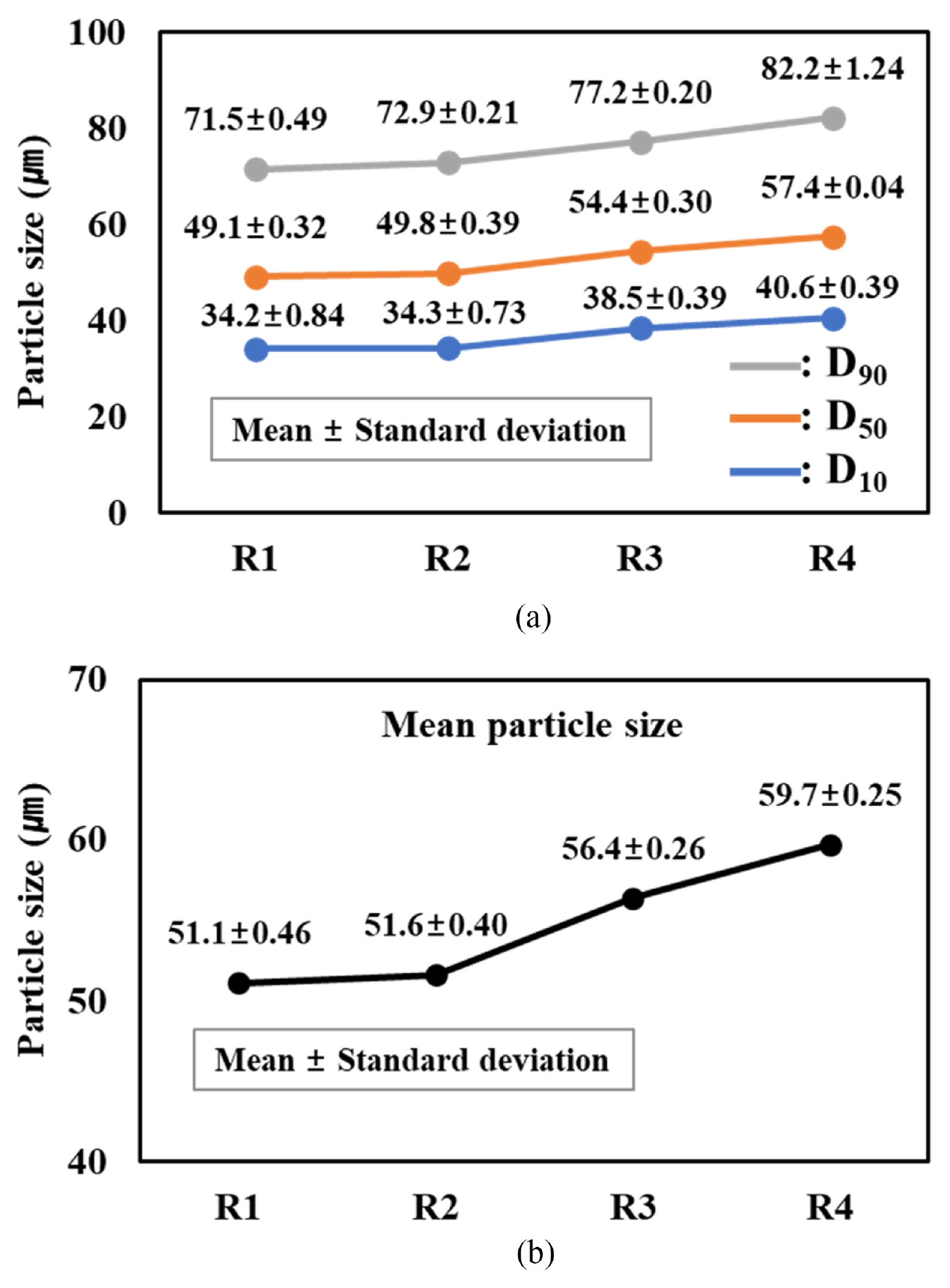
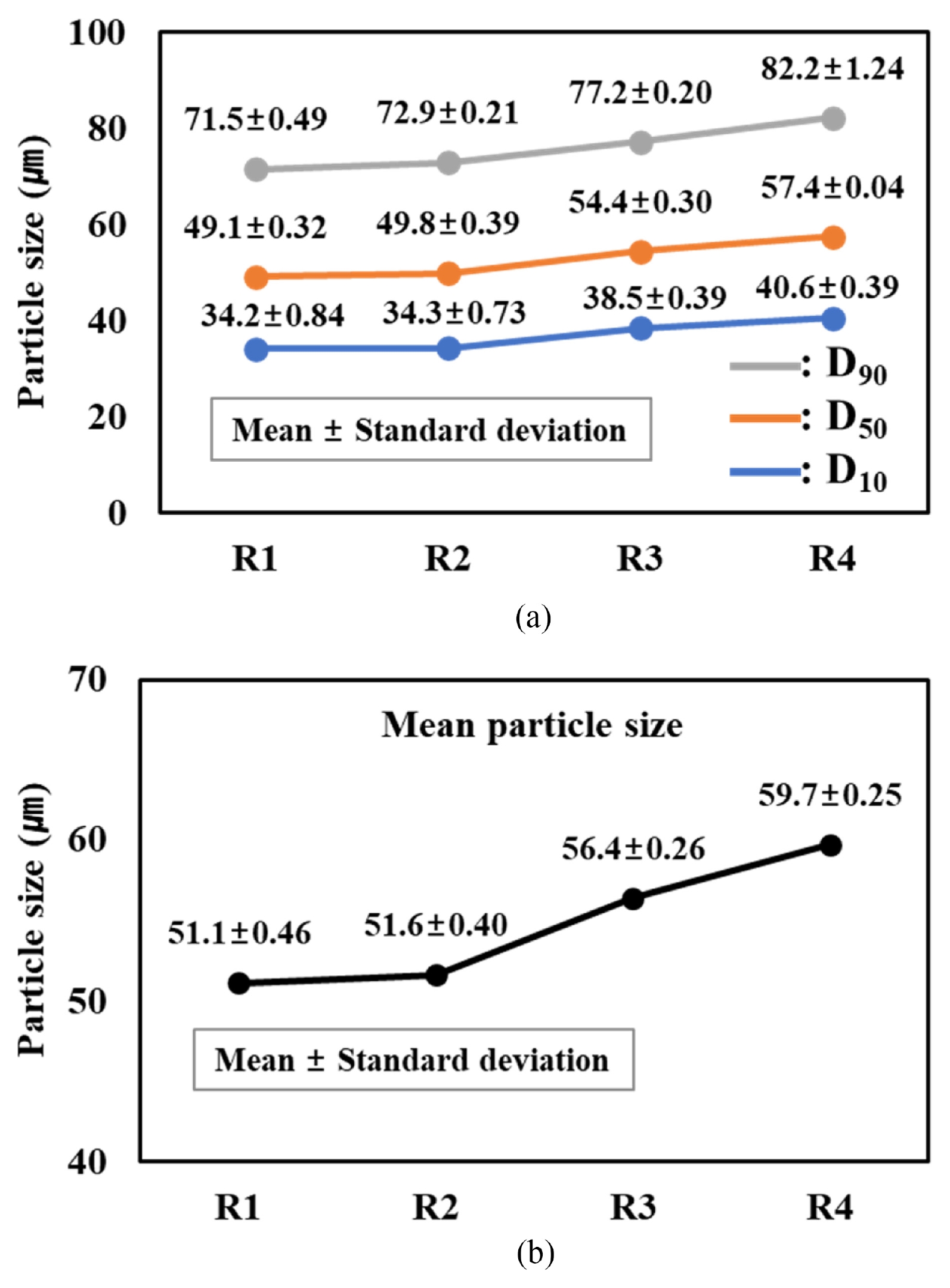
Fig. 5 presents the changes in the particle size distribution of the sieve-rejected powder with increasing powder reuse cycles. It should be noted that the particle sizes measured by laser diffraction do not necessarily correspond directly to the sieve aperture sizes. As observed in
Fig. 4, the sieve-rejected powder contained nonspherical and elongated particles. For such particles, passage through a sieve depends on particle orientation and dimensions, and particles with a longer dimension exceeding the sieve aperture may pass through the mesh when their shorter dimension is appropriately oriented. In contrast, laser diffraction determines particle size from the diffraction pattern rather than directly measuring the dimension governing passage through the sieve. Consequently, particles classified into the < 53 μm fraction by sieving may exhibit particle sizes greater than 53 μm in the laser diffraction analysis [
32-
34]. This difference between the particle-size definitions of sieving and laser diffraction explains the presence of particle sizes exceeding the nominal sieve aperture in
Fig. 5. The characteristic particle size parameters (D
10, D
50, and D
90) shown in
Fig. 5(a) all exhibited a gradual increase as the number of powder reuse cycles increased. This trend indicates that the particle size distribution progressively shifted toward larger particle sizes during repeated powder reuse. Among the three parameters, D
90 showed the largest absolute increase, suggesting that the coarse end of the particle size distribution shifted toward larger particle sizes with repeated powder use. A relatively greater increase was observed between R2 and R3, implying that particle coarsening became more pronounced after multiple reuse cycles. The mean particle size shown in
Fig. 5(b) also exhibited a continuous increase throughout the powder reuse cycles, which is consistent with the trends observed for D
10, D
50, and D
90. Specifically, the mean particle size increased from 51.1 μm for R1 to 59.7 μm for R4, corresponding to an increase of approximately 16.8%. These results indicate that repeated powder reuse gradually promoted particle coarsening, thereby increasing the fraction of oversized particles [
13,
17,
35]. Combined with the SEM observations presented in
Fig. 4, where elongated particles, reduced sphericity, and satellite particles were identified, the increase in particle size suggests that the rejected powder became progressively less suitable for stable reuse [
8,
36]. The continuous increase in particle size, together with the non-spherical morphology observed in
Fig. 4, may adversely affect powder feeding behavior during the DED process. Previous studies have shown that an increased fraction of larger particles can increase particle-particle and particle-gas flow resistance during mechanical metering and pneumatic transport, resulting in a reduced powder mass flow rate [
9]. In addition, both particle size and shape play important roles in carrier-gas-driven powder transport in DED systems [
29]. The progressive increase in particle size and morphological irregularity observed in the sieve-rejected powder may thus make these particles less suitable for stable powder feeding. Therefore, the present results suggest that the sieving process may contribute to maintaining an appropriate particle size range by continuously removing coarse particles generated during repeated powder use, which may be beneficial for stable powder feeding in DED.
4. Conclusion
This study investigated the morphological characteristics and particle size evolution of sieve-rejected powder generated during repeated powder reuse in the DED. Unlike previous studies that primarily focused on the properties of reusable powder, the present work tracked the powder fractions removed during sieving to clarify why these particles are unsuitable for further reuse. The main findings are summarized as follows:
The sieve-rejected powder consistently exhibited elongated particles, reduced sphericity, irregular particle morphology, and attached satellite particles, regardless of the powder reuse cycle. These morphological defects indicate that the rejected powder had already lost the characteristics required for stable powder reuse.
The particle size distribution progressively shifted toward larger particle sizes with increasing powder reuse cycles. All characteristic particle size parameters (D10, D50, and D90) increased continuously, while the mean particle size increased from 51.1 μm (R1) to 59.7 μm (R4), corresponding to an increase of approximately 17%. These results demonstrate the progressive coarsening of the sieve-rejected powder during repeated reuse.
Oxygen was detected in the sieve-rejected powder throughout all reuse cycles. However, no clear progressive change in oxygen distribution was observed from R1 to R4.
The present findings demonstrate that the role of the sieving process extends beyond simple particle size classification. By continuously removing oversized and morphologically degraded particles generated during repeated powder use, sieving may contribute to maintaining powder quality and stable powder feeding in DED. Overall, this study provides new insights into the characteristics of powder discarded during repeated DED powder reuse and highlights the importance of sieving as a quality control process for sustainable powder recycling. Although this study successfully characterized the sieve-rejected powder generated during repeated DED powder reuse, it was limited to the investigation of the discarded powder fraction. The evolution of the reusable powder fraction (53–150 μm) and its influence on the properties of DED-fabricated components were not addressed in the present work. Future research will focus on systematically tracking the physical evolution of the reusable powder with increasing reuse cycles. Furthermore, the microstructural characteristics and mechanical properties of DED-fabricated components produced using the repeatedly reused powder will be evaluated. These investigations will provide a comprehensive understanding of powder degradation throughout the reuse process and establish practical guidelines for determining the allowable reuse cycles of DED powder.
Fig. 1SEM micrograph of the virgin IN939 powder
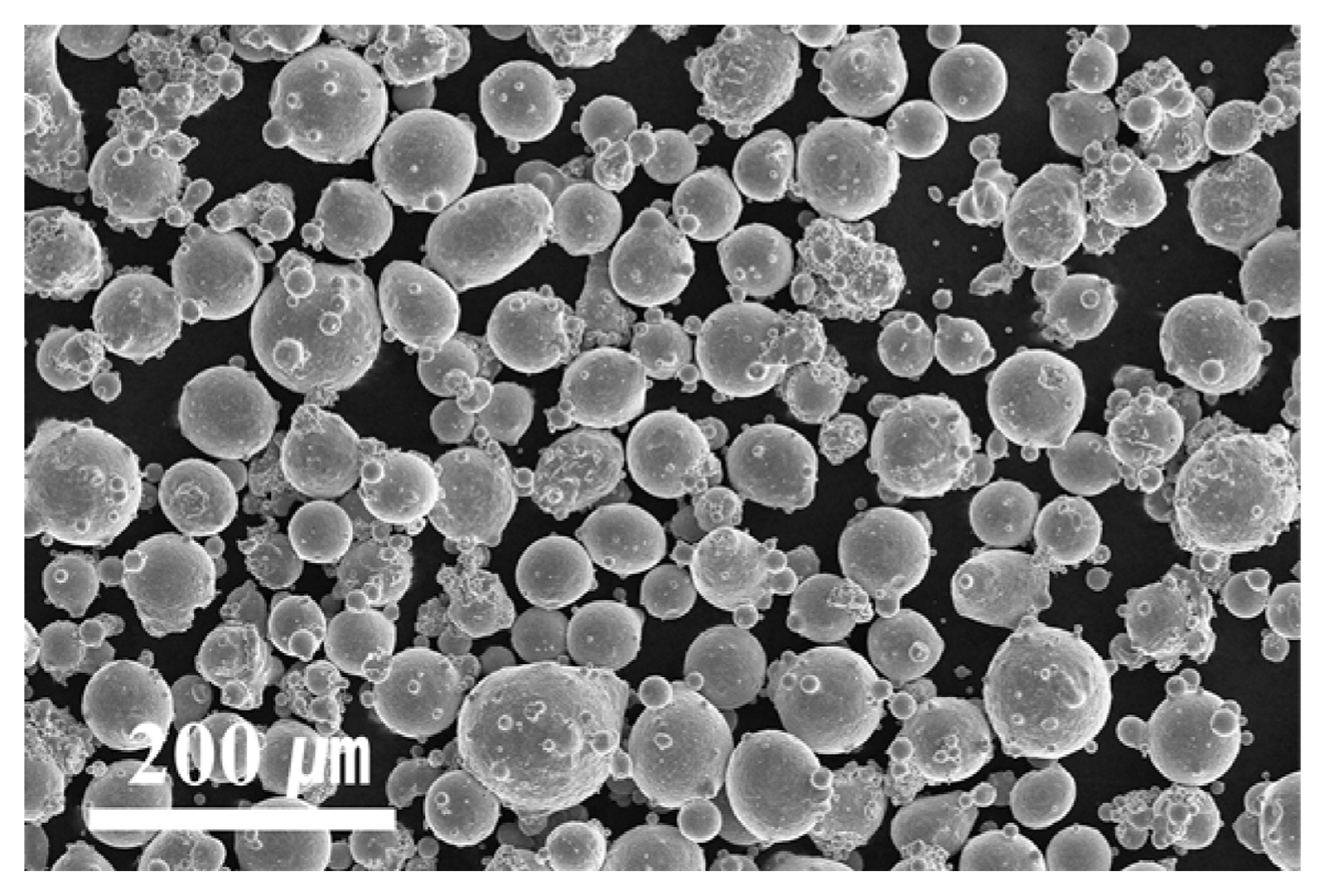
Fig. 2Photographs of the powder reuse procedure in the DED process, including powder container setting, DED processing, and powder recovery
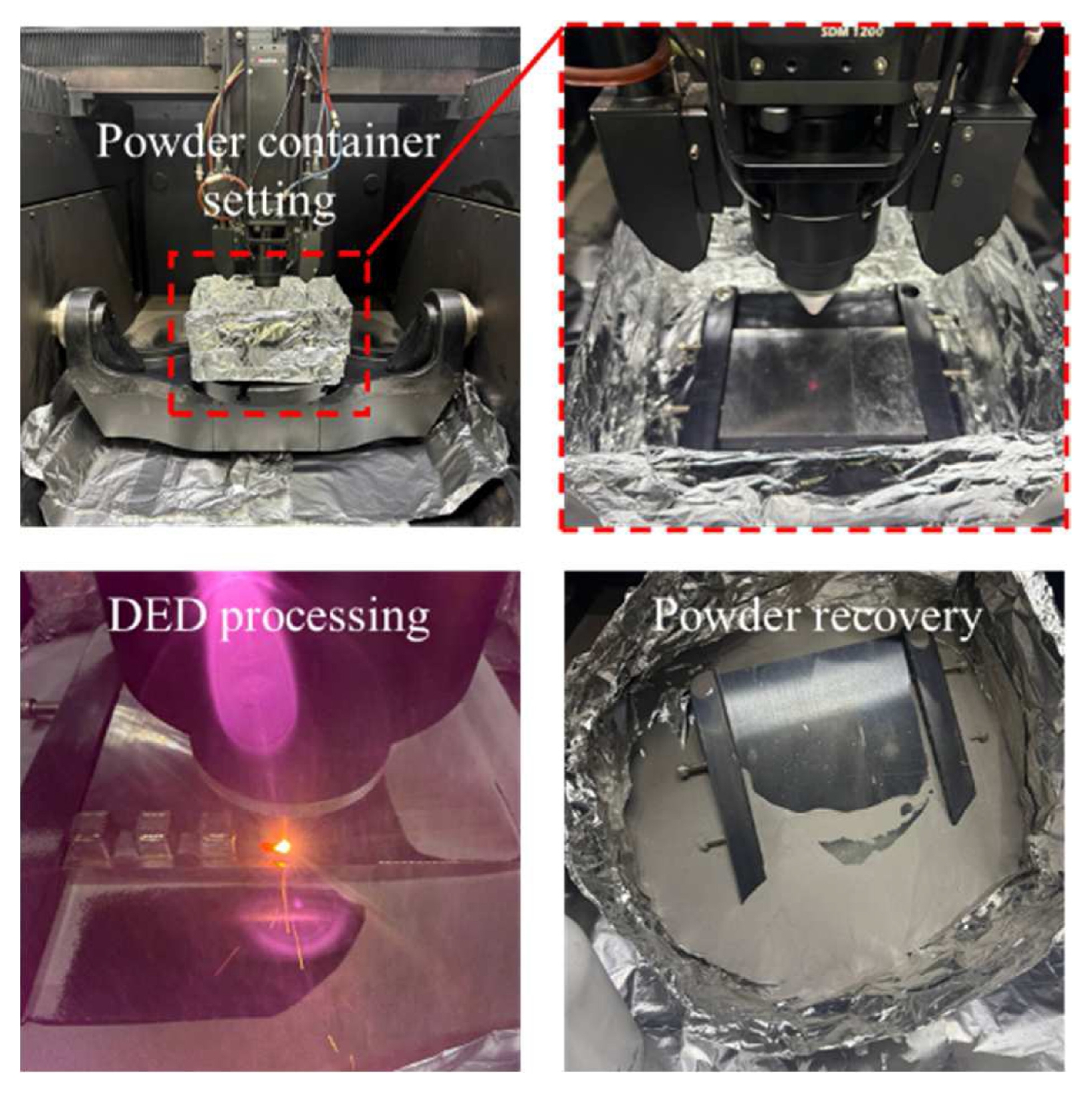
Fig. 3Schematic illustration of the sieving process and powder classification into reusable (53–150 μm) and sieve-rejected (<53 and >150 μm) powder fractions. Red dashed boxes denote the powder fractions characterized in this study. (The particle representations shown in the right panels were AI-generated for schematic illustration purposes and do not represent experimental observations.)
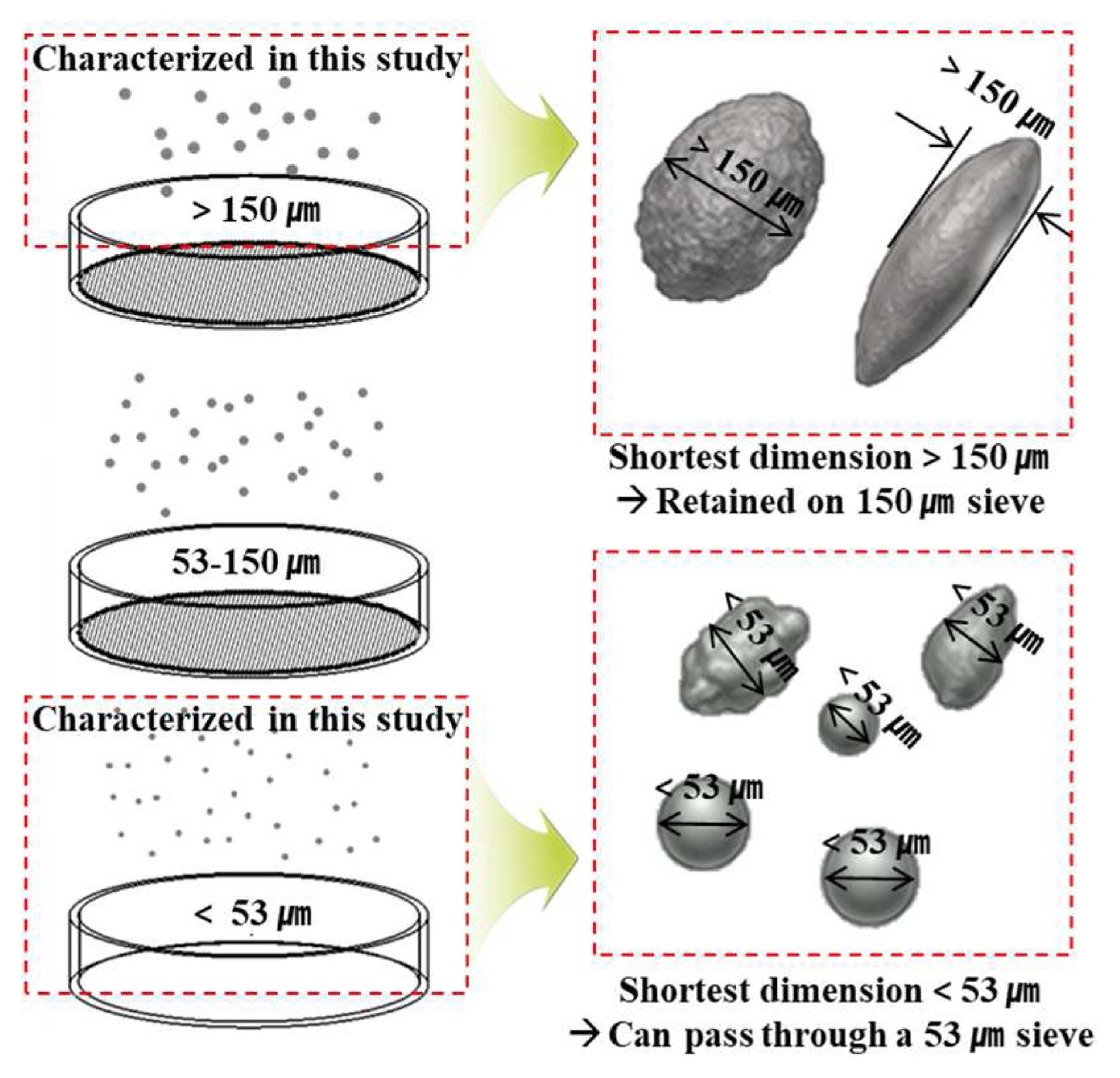
Fig. 4SEM micrographs and corresponding oxygen elemental mapping images of the sieve-rejected powder collected after repeated powder reuse: (a) R1, (b) R2, (c) R3, and (d) R4. (Yellow circles indicate elongated particles)

Fig. 5Evolution of the particle size of the sieve-rejected powder with increasing powder reuse cycles: (a) Characteristic particle size parameters (D10, D50, and D90), and (b) Mean particle size
REFERENCES
- 1. Costello, S. C., Cunningham, C. R., Xu, F., Shokrani, A., Dhokia, V., Newman, S. T., (2023), The state-of-the-art of wire arc directed energy deposition (WA-DED) as an additive manufacturing process for large metallic component manufacture, International Journal of Computer Integrated Manufacturing, 36(3), 469-510.
- 2. Cunningham, C. R., Flynn, J. M., Shokrani, A., Dhokia, V., Newman, S. T., (2018), Invited review article: Strategies and processes for high quality wire arc additive manufacturing, Additive Manufacturing, 22, 672-686.
- 3. Yi, H., Lang, T., Si, J., Chi, Y., Cao, H., Huang, Y., (2025), High-performance manufacturing of metal components via multifield assisted wire-arc directed energy deposition, Journal of Manufacturing Processes, 143, 234-276.
- 4. Svetlizky, D., Das, M., Zheng, B., Vyatskikh, A. L., Bose, S., Bandyopadhyay, A., Schoenung, J. M., Lavernia, E. J., Eliaz, N., (2021), Directed energy deposition (DED) additive manufacturing: Physical characteristics, defects, challenges and applications, Materials Today, 49, 271-295.
- 5. Ahn, D., (2021), Directed energy deposition (DED) process: State of the art, International Journal of Precision Engineering and Manufacturing-Green Technology, 8(2), 703-742.
- 6. Terrassa, K. L., Haley, J. C., MacDonald, B. E., Schoenung, J. M., (2018), Reuse of powder feedstock for directed energy deposition, Powder Technology, 338, 819-829.
- 7. Joju, J., Verdi, D., Han, W., Hang, L., Soh, N., Hampo, C., Liu, N., Yang, S., (2023), Sustainability assessment of feedstock powder reuse for directed laser deposition, Journal of Cleaner Production, 388, 136005.
- 8. Mahtabi, M., Yadollahi, A., Morgan-Barnes, C., Priddy, M. W., Rhee, H., (2024), Effects of powder reuse and particle size distribution on structural integrity of Ti-6Al-4V processed via laser beam directed energy deposition, Journal of Manufacturing and Materials Processing, 8(5), 209.
- 9. Iams, A., Gao, M., Shetty, A., Palmer, T., (2022), Influence of particle size on powder rheology and effects on mass flow during directed energy deposition additive manufacturing, Powder Technology, 396, 316-326.
- 10. Singh, A., Kapil, S., Das, M., (2020), A comprehensive review of the methods and mechanisms for powder feedstock handling in directed energy deposition, Additive Manufacturing, 35, 101388.
- 11. Pereira, J. C., Irastorza, U., Solana, A., Soriano, C., García, D., Ruiz, J. E., Lamikiz, A., (2024), Effect of powder reuse on powder characteristics and properties of DED laser beam metal additive manufacturing process with Stellite® 21 and UNS S32750, Metals, 14(9), 1031.
- 12. Lee, Y. E., Soni, S. K., Kim, I. S., Jo, S. J., Rizi, M. S., Ebrahimian, M., Lee, J. W., Moon, J., Kim, H. S., Hong, S. J., (2026), Microstructure characterization and recyclability assessment of heat-affected 316L stainless steel powders processed via directed energy deposition, Results in Engineering, 29, 108759.
- 13. Kiani, P., Dupuy, A. D., Ma, K., Schoenung, J. M., (2024), The reusability of AlSi10Mg powder in directed energy deposition, Powders, 3(1), 28-43.
- 14. Saboori, A., Aversa, A., Bosio, F., Bassini, E., Librera, E., De Chirico, M., Biamino, S., Ugues, D., Fino, P., Lombardi, M., (2019), An investigation on the effect of powder recycling on the microstructure and mechanical properties of AISI 316L produced by directed energy deposition, Materials Science and Engineering: A, 766, 138360.
- 15. Kim, I., Soni, S. K., Jo, S., Lee, Y., Kwon, J., Kim, D., Jeong, S. G., Lee, J., Moon, J., Kim, H. S., (2026), Influence of recyclinginduced oxide inclusions on microstructure and mechanical properties of directed energy deposited 316L stainless steel, Materials Science and Engineering: A, 150046.
- 16. Kong, Y., Peng, K., Huang, H., (2026), Toward sustainable laser directed energy deposition of NiCoCr: Powder reusability, performance evolution, and purification strategies, Sustainable Materials and Technologies, 49, e02128.
- 17. Zhang, H., Li, J., Li, Y., (2023), Effect of powder recycling on the organization and mechanical properties of GH4169 alloy by laser metal deposition, Coatings, 13(3), 659.
- 18. Gorji, N. E., O’Connor, R., Mussatto, A., Snelgrove, M., González, P. G. M., Brabazon, D., (2019), Recyclability of stainless steel (316L) powder within the additive manufacturing process, Materialia, 8, 100489.
- 19. Zhang, W., Duan, M., Chang, F., Gao, P., Wang, Q., Chang, G., Cai, B., Kong, J., Wang, K., Peng, Y., (2026), Effects of additive heat source type and heat treatment on microstructural evolution and mechanical properties of Inconel 718 alloy fabricated by directed energy deposition, Materials Characterization, 116422.
- 20. Cavalcante, T. R. F., Mariani, F. E., Diaz, J. A. A., (2026), Additive manufacturing of Inconel 718: A review on microstructures and mechanical properties of DED-LB-processed samples, Journal of Materials Research, 41(1), 2-24.
- 21. Zhang, P., Jiang, M., Luan, B., (2024), Influence of Inconel 625 alloy powder reusing on feedstock characteristics and mechanical properties of deposited parts, Journal of Materials Research and Technology, 29, 3782-3794.
- 22. Renderos, M., Torregaray, A., Gutierrez-Orrantia, M. E., Lamikiz, A., Saintier, N., Girot, F., (2017), Microstructure characterization of recycled IN718 powder and resulting laser clad material, Materials Characterization, 134, 103-113.
- 23. Cruz, J. R., Sousa, J. M. S., Ferreira, H. S., Thiesen, A. Junior, Marino, C. E. B., (2024), Impact of feedstock recycling on the corrosion resistance of Inconel 625 processed by L-DED, Materials Research, 27(Suppl 1), e20230578.
- 24. Chen, Y., Qiu, J., Chang, W., Hwang, Y., Hwang, S., (2024), Process optimization and mechanical properties analysis of Inconel 718/stainless steel 316 L multi-material via direct energy deposition, Scientific Reports, 14(1), 28927.
- 25. Urbánek, M., Hodek, J., Melzer, D., Koukolíková, M., Prantl, A., Vavřík, J., Brázda, M., Martínek, P., Rzepa, S., Džugan, J., (2022), Prediction of behaviour of thin-walled DED-processed structure: experimental-numerical approach, Materials, 15(3), 806.
- 26. Kim, D., Madavali, B., Go, E., Jo, S., Baek, G., Kim, H., Kim, T., Hong, S., (2025), Assessing sustainability of Titanium powder recycling in additive manufacturing through the powder surface and microstructure analysis for porous implant coatings, Journal of Materials Research and Technology, 41, 913-924.
- 27. Shalnova, S. A., Kuzminova, Y. O., Evlashin, S. A., Klimova-Korsmik, O. G., Vildanov, A. M., Shibalova, A. A., Turichin, G. A., (2022), Effect of recycled powder content on the structure and mechanical properties of Ti-6Al-4V alloy produced by direct energy deposition, Journal of Alloys and Compounds, 893, 162264.
- 28. Rousseau, J. N., Bois-Brochu, A., Blais, C., (2018), Effect of oxygen content in new and reused powder on microstructural and mechanical properties of Ti6Al4V parts produced by directed energy deposition, Additive Manufacturing, 23, 197-205.
- 29. Garg, R., Dhami, H. S., Panda, P. R., Viswanathan, K., (2023), Evaluating gas-driven flow mechanics of non-spherical powders for directed energy deposition, Journal of Manufacturing Processes, 99, 260-271.
- 30. Lee, H., Heogh, W., Yang, J., Yoon, J., Park, J., Ji, S., Lee, H., (2022), Deep learning for in-situ powder stream fault detection in directed energy deposition process, Journal of Manufacturing Systems, 62, 575-587.
- 31. Jandaghi, M. R., Moverare, J., (2024), Exploring the efficiency of powder reusing as a sustainable approach for powder bed additive manufacturing of 316L stainless steel, Materials & Design, 244, 113222.
- 32. Schneider, C. L., Neumann, R., Souza, A. S., (2007), Determination of the distribution of size of irregularly shaped particles from laser diffractometer measurements, International Journal of Mineral Processing, 82(1), 30-40.
- 33. Garboczi, E., Riding, K., Mirzahosseini, M., (2017), Particle shape effects on particle size measurement for crushed waste glass, Advanced Powder Technology, 28(2), 648-657.
- 34. Bowen, P., Sheng, J., Jongen, N., (2002), Particle size distribution measurement of anisotropic—particles cylinders and platelets—practical examples, Powder Technology, 128(2–3), 256-261.
- 35. Sibisi, P. N., Popoola, A., Arthur, N., Pityana, S., Popoola, O., (2019), Morphological characterization of recycled powder and microstructures of Ti-6Al-4V components synthesized by LENS additive manufacturing, IOP Conference Series: Materials Science and Engineering, 655(1):012019.
- 36. Santoni, A., Santecchia, E., Schiavone, A. M., Latini, V., Lascu, B. D., Stoica, C. R., (2025), On the extent of feedstock–system interaction in determining the efficiency of laser powder directed energy deposition, Metals, 15(6), 599.
Biography
- Jungwon Lee
Undergraduate student in the School of Mechanical Engineering at Gyeongsang National University. His research interest is additive manufacturing.
- Jeongmin Kim
Undergraduate student in the School of Mechanical Engineering at Gyeongsang National University. His research interest is additive manufacturing.
- Seokjin Shin
Director at GODTECH Co., Ltd.. His research focuses on materials and laserbased metal additive manufacturing.
- Gideok Park
CEO at GODTECH Co., Ltd.. His research focuses on materials and laser-based metal additive manufacturing.
- Seong Je Park
Assistant professor in the School of Mechanical Engineering at Gyeongsang National University. His research interests include polymer and metal additive manufacturing.