ABSTRACT
Deep-sea optical windows must withstand extreme hydrostatic pressure while maintaining optical transmittance, requiring a balance between mechanical rigidity and optical performance. Increasing thickness enhances structural strength but reduces transmittance. This study proposes a design method for deep-sea optical windows using domestically developed sapphire. Three-point bending tests were conducted on sapphire and silicon specimens, and B-criterion strength was derived using Weibull distribution to account for brittle material properties. Optical transmittance measurements established key design characteristics. Using theoretical formulations for rectangular planar optical windows under uniform external pressure, the initial design was based on experimentally derived sapphire properties. Finite element analysis of the optical window assembly confirmed sufficient structural stability margins above critical thresholds. Linear interpolation was applied to evaluate the continuous design space across discrete thickness values. A compromise solution was identified that satisfies both structural rigidity and transmittance objectives. By integrating experimental material characterization with numerical analysis, this study provides an effective framework for determining the optimal thickness of deep-sea optical windows and confirms the applicability of domestically developed sapphire as a reliable optical window material for high-pressure underwater environments.
-
KEYWORDS: Optical window, Sapphire, Submarine, Brittle material, Optimization
-
KEYWORDS: 광학 창, 사파이어, 잠수함, 취성소재, 최적화
1. 서론
심해 환경은 지구상에서 가장 극한의 작동 조건을 갖는 환경 중 하나로, 고압·저온과 부식성, 해수 노출, 그리고 유지·보수를 위한 접근성이 떨어진다. 최근 심해 탐사, 해저 모니터링 시스템, 과학 계측 장비, 그리고 자율 수중 로봇(AUV)에 대한 수요가 지속적으로 증가함에 따라, 이러한 가혹한 조건에서도 안정적으로 작동할 수 있는 광학 시스템의 신뢰성 확보가 점점 더 중요해지고 있다.
고압 해저 시스템에서 광학 창(Optical Window)은 구조적 압력 경계 역할을 수행하는 동시에, 이미징, 센싱 응용을 위해 요구하는 광 투과 성능을 유지해야 하는 핵심 구성 요소이다. 이러한 광학 창은 기계적 측면에서는 외부 정수압을 견디기 위한 충분한 강도, 강성 그리고 파괴 저항성을 확보하기 위해 두께를 증가시켜야 하는 반면, 광학적 측면에서는 우수한 투과율과 광학 성능을 유지하기 위해선 두께를 감소시켜야 하는 특징이 있다. 이와 같은 특징으로 인해, 심해 탐사와 같은 특수 센싱 시스템에서도 제한된 시스템 자원 내에서 광학 성능을 유지하기 위한 최적 설계의 중요성이 지속적으로 강조되고 있다[
1]. 사파이어는 높은 기계적 강도와 우수한 광학 투명도, 내화학성 특성을 동시에 갖춘 재료로서, 가혹 환경에서 고성능 광학 창 재료로 주목받고 있다[
2]. 이에 따라 사파이어 광학 창의 제조 기술과 기계적·광학적 특성에 대한 연구가 수행되고 있으며[
3,
4] 더불어 제조 비용 절감과 형상 정밀도 향상을 위한 공정 개선 연구도 수행되고 있다[
5]. 또한 심해용 LED 조명 시스템에서는 패키징 재료와 광학 구조의 최적화를 통해 성능을 향상시키려는 연구가 진행되고 있다[
6]. 동시에 광학창의 강도 증가를 위해 두께 증가나 형상의 보강 등은 광학 성능 저하를 초래할 수 있으므로, 기계적 안정성과 광학 성능 간 균형 설계가 요구되고 있다[
7].
심해 환경에 적용되는 광학 창의 구조적 안전성을 확보하기 위해 반구형 광학 창의 구조 해석 및 설계 최적화 연구가 초심해 조건까지 확장되어 수행된 사례가 있으며[
8], 광학 창의 성능 저하를 최소화하기 위해 광학 창과 기저 구조 사이에 전이 재료를 적용한 설계 최적화 접근법이 제안된 바 있다[
9]. 그러나 기존 일부 연구들은 주로 광학 창의 구조 안정성에 기반하여 기계적 안전계수나 구조적 안정성에 초점을 맞추고 있으며, 광학 성능은 부차적인 제약 조건으로 다루는 등 한계가 있다. 이러한 접근 방식은 압력 하중에서 최적화된 창의 두께를 선정하나 투과율 등 광학적 측면에서 악영향을 미치며, 경험적 설계 규칙이나 보수적인 지침에 의존하는 경우가 많다.
본 연구에서는 잠수함용 광학시스템에 적용되는 광학창을 대상으로 국내에서 키로풀로스 성장법(Kyropoulos Method)을 통해 개발된 단결정 사파이어와 상용 단결정 실리콘 소재를 비교 분석한다. 물성치 실험을 통해 기계적 구조 안정성과 광학 성능을 함께 고려한 설계 최적화에 대하여 다룬다. 재료의 기계적 특성과 광학적 투과 특성을 통합적으로 분석함으로써, 목표성능을 달성하도록 하였다.
2. 광학창 재료의 분석
심해 광학 창에 적합한 재료를 찾기 위해 사파이어, 실리콘 두 가지 후보 재료를 분석하였다. 이 재료들은 기계적 강도와 관심파장 범위에서의 광학적 투과율, 흡수 특성 등의 광학적 물성을 검토하여 이미징 및 센싱 응용 분야와의 호환성을 고려하여 선택하였다. 선택한 각 재료의 강도-투과율과의 상충 관계를 파악하고, 실험 검증 및 설계 최적화를 위한 기초를 마련하였다.
Table 1은 사파이어와 실리콘의 대표적인 기계강도 및 투과 파장 범위를 나타낸다[
10-
12].
사파이어와 실리콘 소재의 기계적 강도를 평가하기 위해 3점 굽힘 시험을 수행하였다. 실리콘 소재의 경우 총 10개의 시편을 제작하였으며, 국내 제조된 사파이어는 제조 공정 및 잉곳 성장(Ingot Growing) 위치에 따른 물성 편차를 고려하여 상단, 중단, 하단부에서의 실험을 위해 각 10개씩 총 30개의 시편을 제작하였다. 취성 재료의 파괴 강도는 표면 결함의 분포에 크게 영향을 받는 것으로 알려져 있다. 일반적으로 표면 거칠기가 감소할수록 응력 집중 및 미세 균열 발생 가능성이 감소하여 높고 균일한 강도 분포를 나타낸다. 선행 연구에 따르면 표면 거칠기 Ra가 200 nm 이하일 경우 굽힘 강도가 최대로 확보될 수 있는 것으로 보고되었다[
13]. 이에 따라 모든 시편은 표면 거칠기 Ra ≤ 200 nm 조건을 만족하도록 제작하였다. 또한 세라믹 굽힘 시험 규격인 ISO 14704에 따라 시험이 수행되었으며, 지지대 간 거리(Span) 30 mm 조건을 적용하였다[
14].
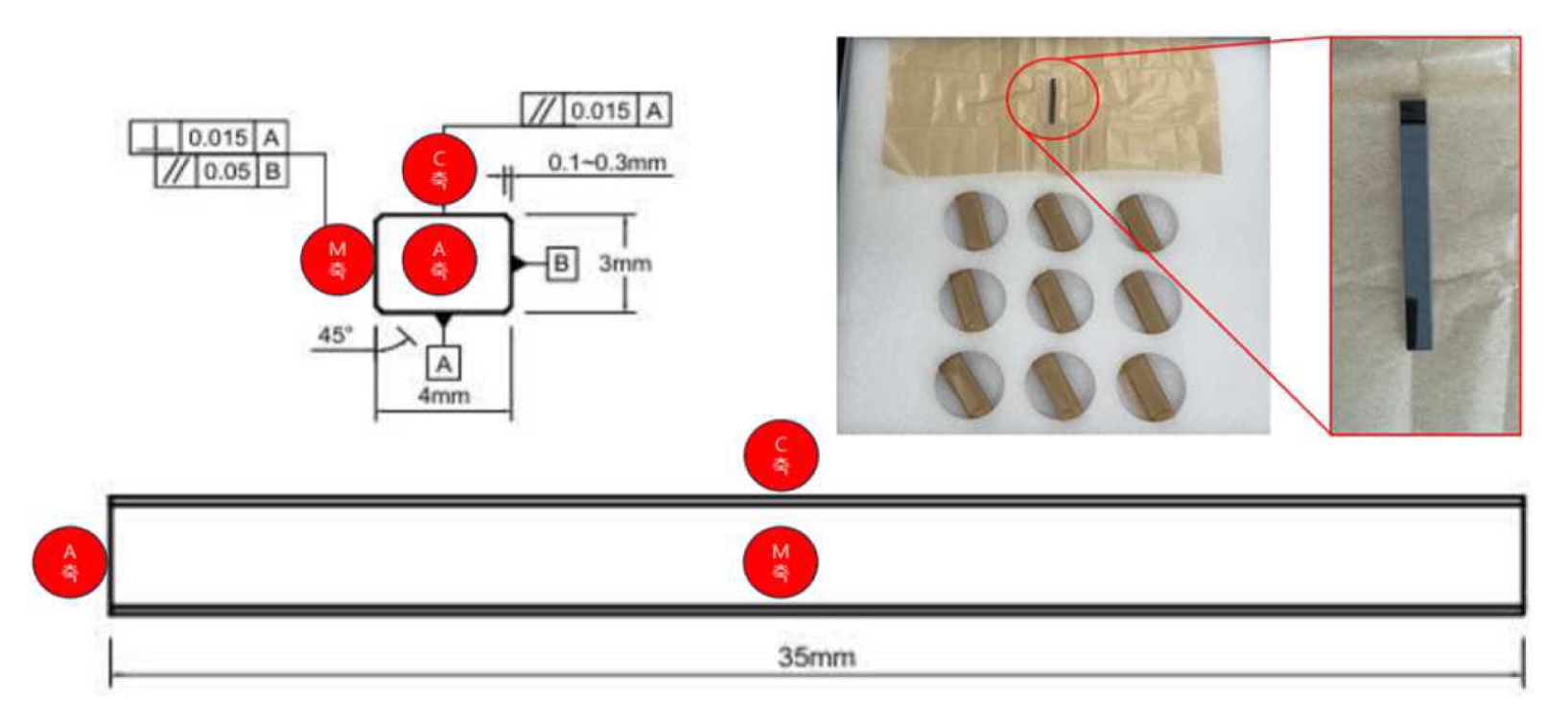
Fig. 1은 시편의 제작 규격 및 제작된 시편의 형상을 나타내며,
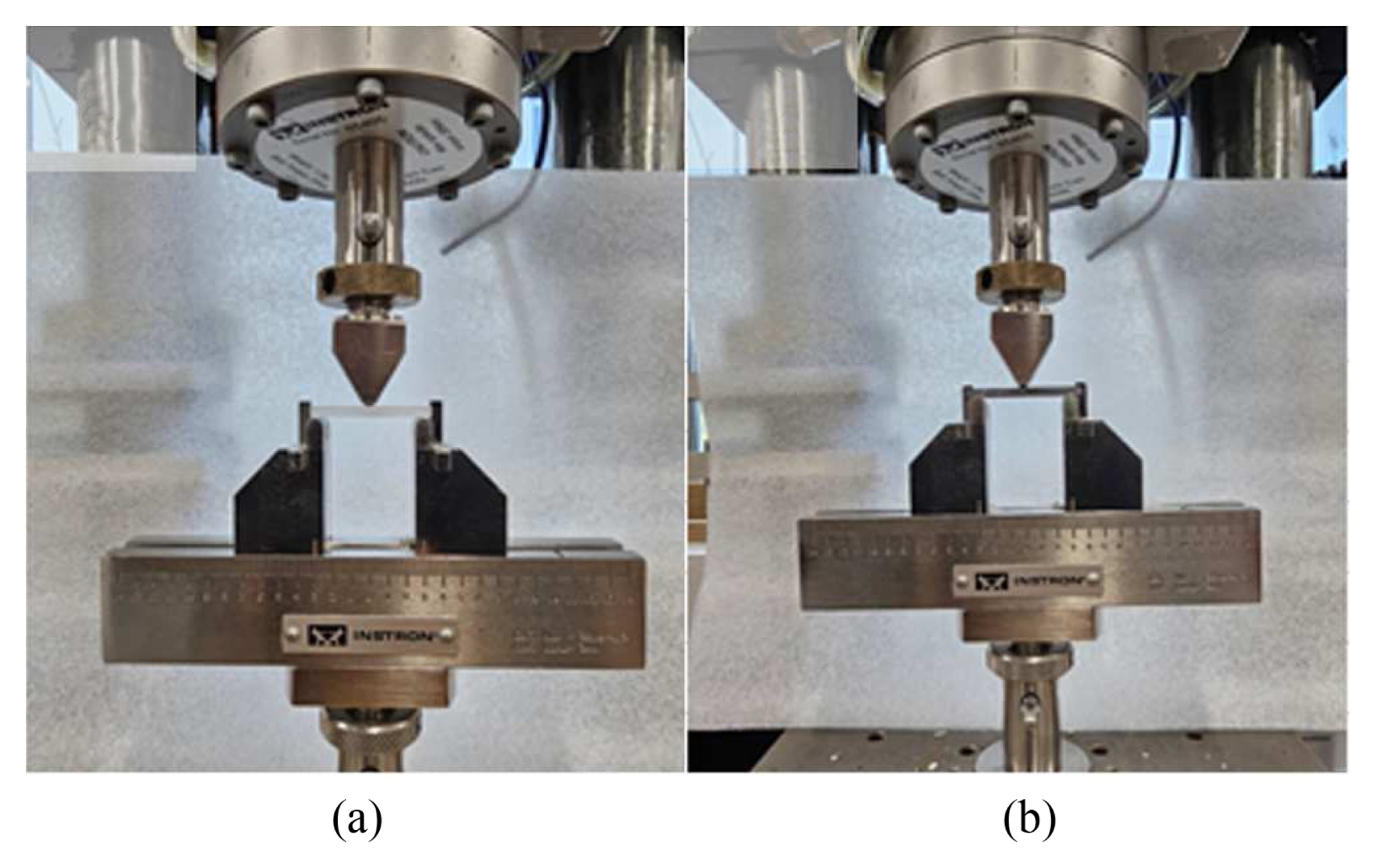
Fig. 2는 사파이어와 실리콘 시편에 대한 3점 굽힘 시험 구성을 나타낸다.
통계적 유효성을 확보하기 위해 모든 재료에 대해 동일한 하중 조건에서 반복 시험을 수행하였으며, 각 시편의 파괴 하중으로부터 굽힘 강도를 산출하였다. 실험 소재 모두 취성 재료로서 파괴 강도가 통계적 분포를 따르므로, 측정된 강도 데이터는 Weibull 통 계를 적용하여 분석하였다. 취성 재료의 파괴 확률은
식(1)과 같은 Weibull 누적 분포 함수로 표현할 수 있다[
15].
여기서 Pf는 파괴 확률, σ는 적용 응력, σ0는 특성 강도(Characteristic Strength, Pf = 63.2%), m은 Weibull 계수(형상 계수)를 의미하며, 이는 재료 내 결함 분포의 균일성을 나타내는 지표이다. 일반적으로 m값이 클수록 강도 강도 분산이 작아 재료 물성의 신뢰성이 높음을 의미한다.
구조 설계에 적용되는 기준 강도는 평균 강도나 특성 강도가 아닌, 통계적으로 보수적인 하한값 B-basis 강도를 사용하였다. B-basis 강도는 전체 재료 집단 중 최소 90%가 해당 값 이상의 강도를 가질 것을 보장하는 설계 허용 강도로 정의되며, Weibull 분포로부터 다음 조건을 만족하는 응력으로 산출할 수 있다. 본 연구에서는 심해 운용 조건에서 구조적 안전성을 향상시키기 위해 B-기준 강도에 대해 96%의 신뢰도 수준을 채택하였다. 이에 따라, Weibull 분포에서 파손 확률
Pf를 0.04로 설정하였다.
식(2)를 와이블 분포식(1)에 대입하면, B-basis 강도
σB는
식(3)과 같이 표현된다[
16,
17].
유한요소해석(Finite Element Analysis, FEA)을 통해 계산된 최대 주응력이 B-basis 강도를 초과하지 않도록 구조설계 기준을 설정하였다. 이러한 기준은 취성 재료의 파괴 특성을 확률적으로 고려하면서도, 심해 환경과 같이 높은 신뢰성이 요구되는 조건에서 구조적 안전성을 확보하기 위한 보수적인 설계 접근법이다. 또한 재료의 실제 파괴 거동을 반영한 물리적으로 타당한 설계 기준을 제공한다. 소재의 3점 굽힘 시험을 통해 도출된 굽힘 강도의 통계적 강도 특성은
Table 2에 정리하여 제시하였다.
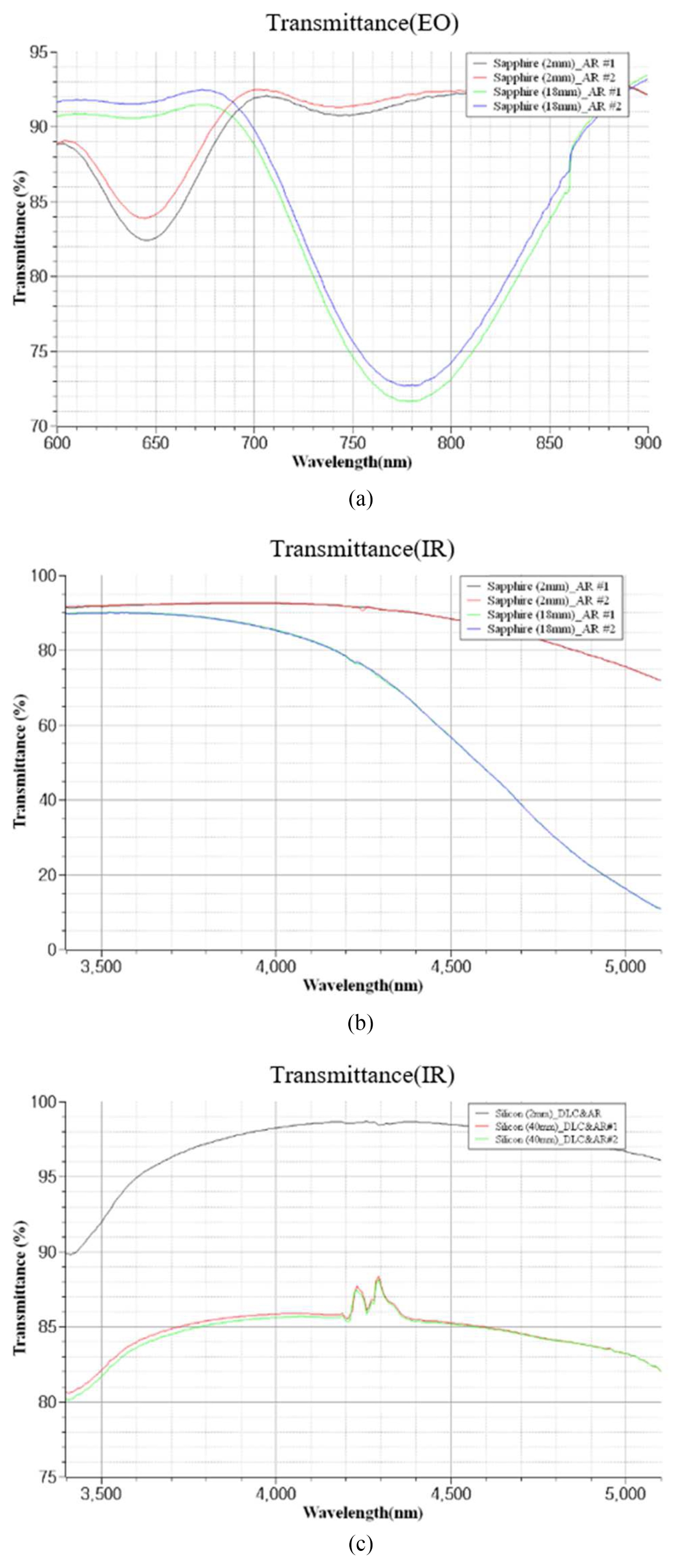
사파이어 및 실리콘 시편의 광학적 특성을 정량적으로 평가하기 위해 분광광도계를 이용하여 사용 파장 영역에서의 투과율을 측정하였다. 해당 광학 창은 시스템에 탑재된 검출기의 감응 파장 범위가 600-900 nm과 3400-5100 nm 대역에 해당하므로 해당 범위를 중심으로 투과율을 측정하였다.
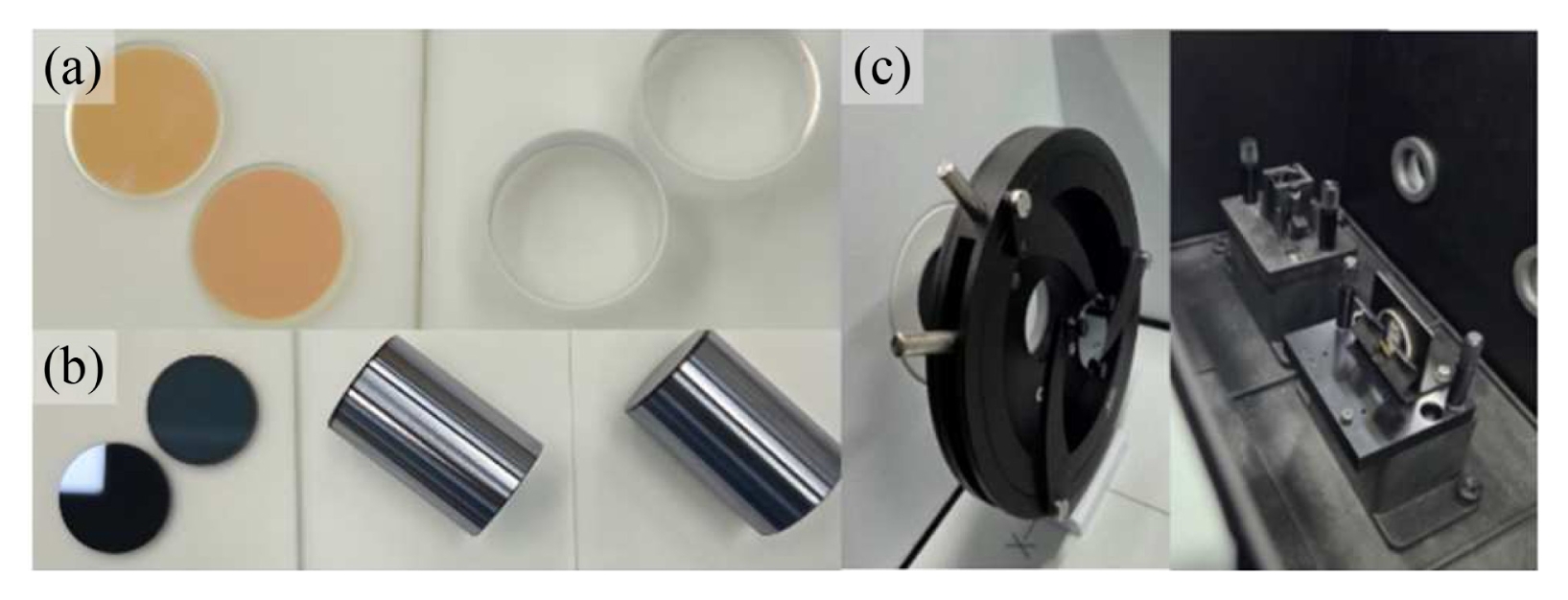
각 시험편은 직경 1인치(inch) 크기로 두께별로 각 2개씩 제작되었으며, 산란 손실을 최소화하기 위해 양면을 정밀 연마하여 준비하였다. 사파이어 시험편에는 한 면에 반사방지 코팅(Anti-reflection Coating, AR)을 적용하였으며, 실리콘 시험편의 경우 각 면에 반사방지 코팅과 다이아몬드 유사 탄소 코팅(Diamond-like Carbon, DLC)을 적용하였다. 이는 표면 반사 손실을 저감하고 실제 광학 창 적용 조건을 모사하기 위함이다.
Fig. 3은 준비된 시편과 투과율 측정 구성을 나타내었다.
측정된 파장별 투과율 데이터로부터, 검출기 감응 파장 대역의 중심 파장인 750과 4,350 nm에서의 투과 특성을 제시하였다. 실험적으로 획득한 투과율을 설계 단계에서 직접 활용 가능한 광학 성능 지표를 확보하였다. 이러한 투과율 데이터는 광학 창의 두께 변화 및 재료 선택에 따른 광 신호 감쇠 특성을 정량적으로 평가하는데 활용된다.
Fig. 4는 각 시험편에 대해 측정된 투과율 원시 데이터(Raw Data)를 나타내었다.
시편의 투과율 분석 결과 사파이어의 경우 두께가 2에서 18 mm로 증가함에 따라 750 nm 파장의 투과율은 약 15.4% 감소하였으며, 4,250 nm 파장에서는 약 15.3% 감소하였다. 실리콘의 경우 600-900 nm파장 대역에서는 투과 특성이 좋지 않아 3,400-5,100 nm 파장 대역에서만 투과 특성을 확인하였다. 이 때 두께가 2에서 40 mm로 증가함에 따라 투과율은 약 12% 감소하였다. 사파이어는 실리콘 보다 두께증가에 따른 투과율 감소가 상대적으로 크게 나타났으며, 실리콘은 600-900 nm 파장 영역에서는 투과특성이 좋지 않지만, 3,400-5,100 nm 파장영역에선 두께 변화에 따른 투과율 감소가 비교적 작은 특성을 보여주고 있다. 각 시편의 투과율 특성은
Table 3에 제시하였다.
3. 광학창 조립체의 최적설계
3.1 직사각형 광학 창 두께 선정에 대한 이론적 분석
직사각형 형상의 광학 창에 작용하는 외부 정수압 하중에 대한 구조 거동은 판 이론(Kirchhoff-love Plate Theory)에 기반한 이론적 접근을 통해 초기적으로 평가할 수 있다. 광학 창의 경우 두께 대비 최소 스팬 비가 일반적으로 제시되는 얇은 판 적용 기준(t/b < 0.15)을 만족하므로 해당 식을 적용하였다. 균일한 외부 압력을 받는 고정 지지(Clamped) 직사각형 판의 경우, 판 중앙부에서 발생하는 최대 인장 주응력은
식(4)와 같이 형상비에 의존하는 계수 형태로 표현된다[
18,
19].
여기서 b는 짧은 변의 길이, t는 광학 창의 두께, α는 장·단변의 비를 나타내는 형상비이며, K(α)는 형상비 및 경계 조건에 따라 결정되는 무차원 계수이다. 이러한 계수는 기존 문헌과 표준 구조 해석 자료에 제시되어 있으며, 직사각형 형상의 경우 단일 폐형식(Closed-form) 해가 존재하지 않고 계수 기반의 근사식으로 표현된다.
식(4)를 이용하면, 허용 주응력
σallow을 기준으로 한 최소 요구 두께는
식(5)와 같이 산정될 수 있다.
여기서 안전계수(Safety Factor, SF)는 4로 고수압 환경의 광학 창에 대해 보수적 설계를 위해 채택하였으며, 참고문헌의 압력 용기 및 광학 창 설계에 관한 기존 문헌의 안전 지침을 참조하였다[
20]. 허용응력(Allowable Stress,
σallow)은 Weibull 분석을 통해 도출된 B-basis 강도로 정의하였다. 해당 식을 통해 도출된 사파이어의 최소 두께는 약 20 mm이고 실리콘은 약 40mm이다. 그러나 직사각형 광학 창의 실제 구조 거동은 형상 효과, 경계 조건의 비이상성, 그리고 응력 집중 현상에 의해 이론식에서 예측된 결과와 차이를 보일 수 있다. 특히 장·단변 비가 큰 형상의 경우, 최대 주응력의 위치와 분포는 이론적 가정과 상이하게 나타날 가능성이 있다. 따라서 이론기반 두께 산정 결과를 초기 설계 지침으로 사용한다.
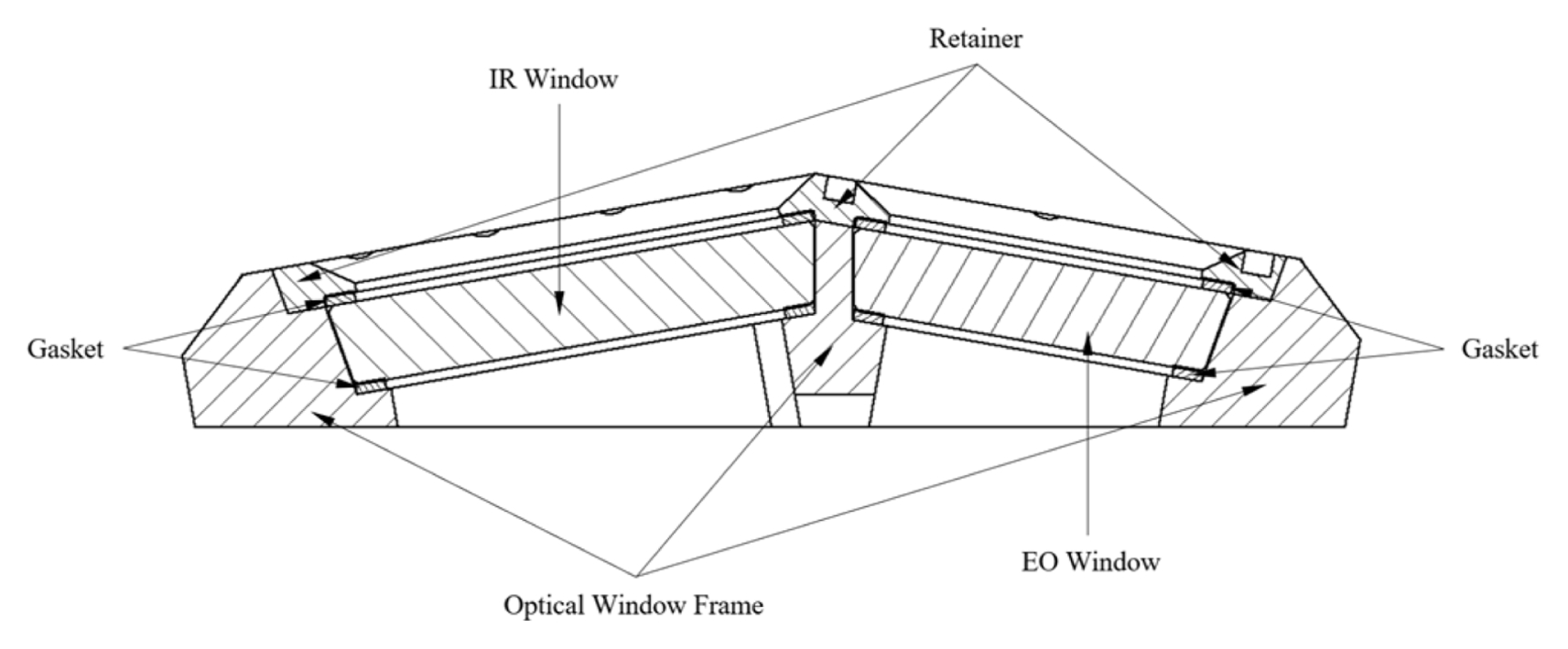
이론 기반으로 광학 창의 최소 두께를 산정한 결과, 실리콘 광학 창의 경우 기계적 강도가 상대적으로 낮아 고수압 환경에서 요구되는 최소 두께가 과도하게 증가하는 것으로 나타났다. 이는 제작성 및 조립 복잡도가 증가하고 인터페이스 관리가 어려워지는 문제가 발생한다. 이러한 설계적 제약을 고려하여, 본 연구에서는 두 광학 창에 사파이어 소재를 적용하였다. 유한요소해석에서 사용되는 광학 창의 조립체의 정보는
Fig. 5와
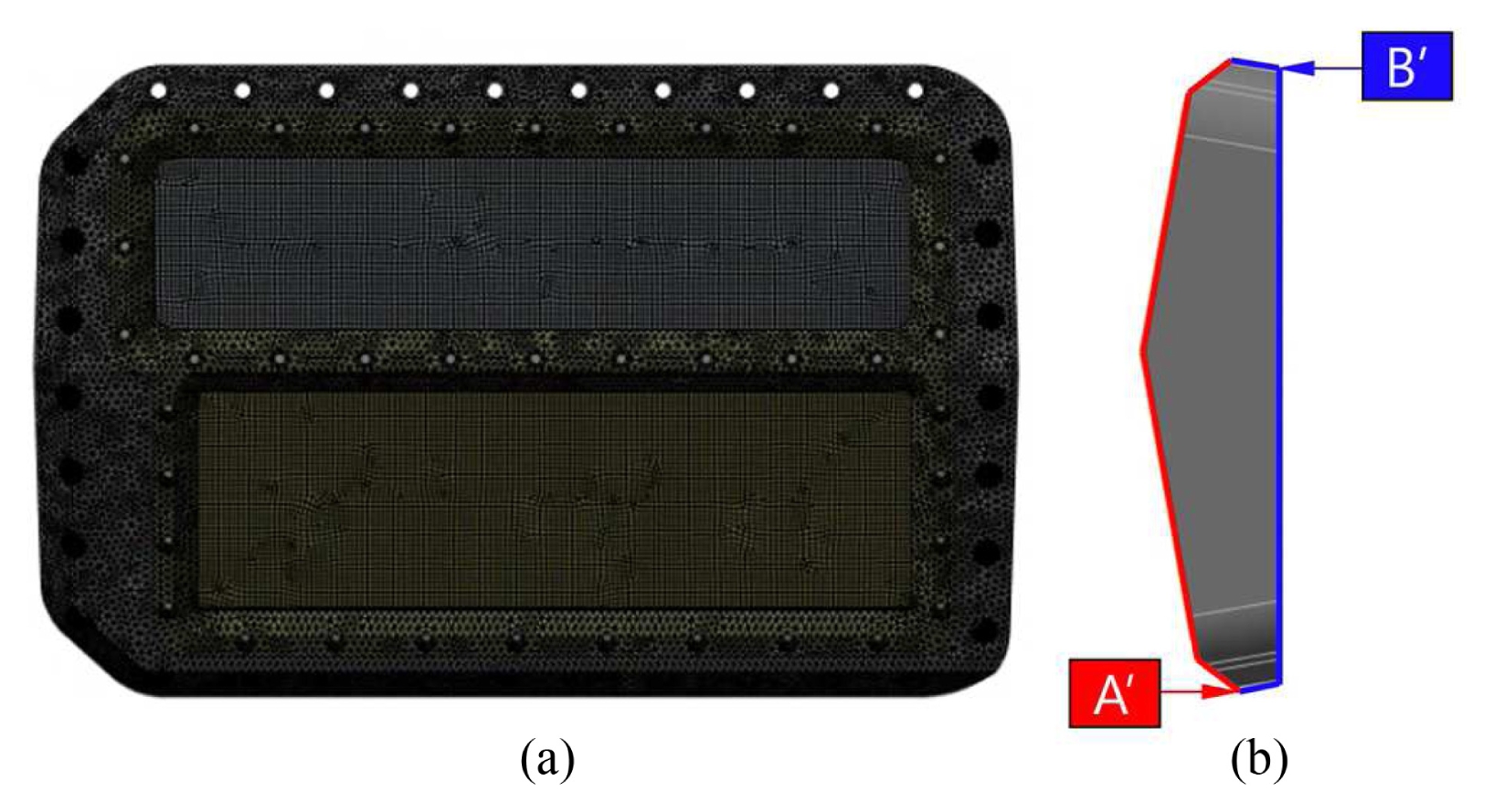
Table 4에 표기되었다. 광학 창은 광학 시스템 고정지지대에 구속되며, 이를 구현하기 위해
Fig. 6과 같은 경계조건을 입력하였다. 조립체의 체결하중은 가스켓의 밀봉을 고려하여 1.5 N·m로 체결되며, 정수압 하중은 약 750 m 수심에서의 하중으로 입력하였다. 취성 재료의 경우 최대 주응력(Maximum Principal Stress)이 인장 균열 발생 가능성과 직접적으로 연관되며, 3점 굽힘 시험 기반 Weibull 통계 강도 평가와의 정합성을 확보할 수 있다. 이에 따라 유한요소해석 결과의 구조적 안전성 평가는 최대 주응력과 실험적으로 도출된 기준 강도(B-basis 강도)의 비교를 통해 수행하였다. 광학 창 조립체 단위 유한요소해석을 수행하여 실제 지지 조건 및 구성품과 가스켓(Gasket)에 의한 하중 분산 효과를 반영하였다.
Table 5는 해석에 사용한 소재의 물성치를 표기한다. 가스켓은 단축 및 이축 시험데이터를 적용하여 Mooney-RIVLIN Model을 통해 입력하였다[
21,
22].
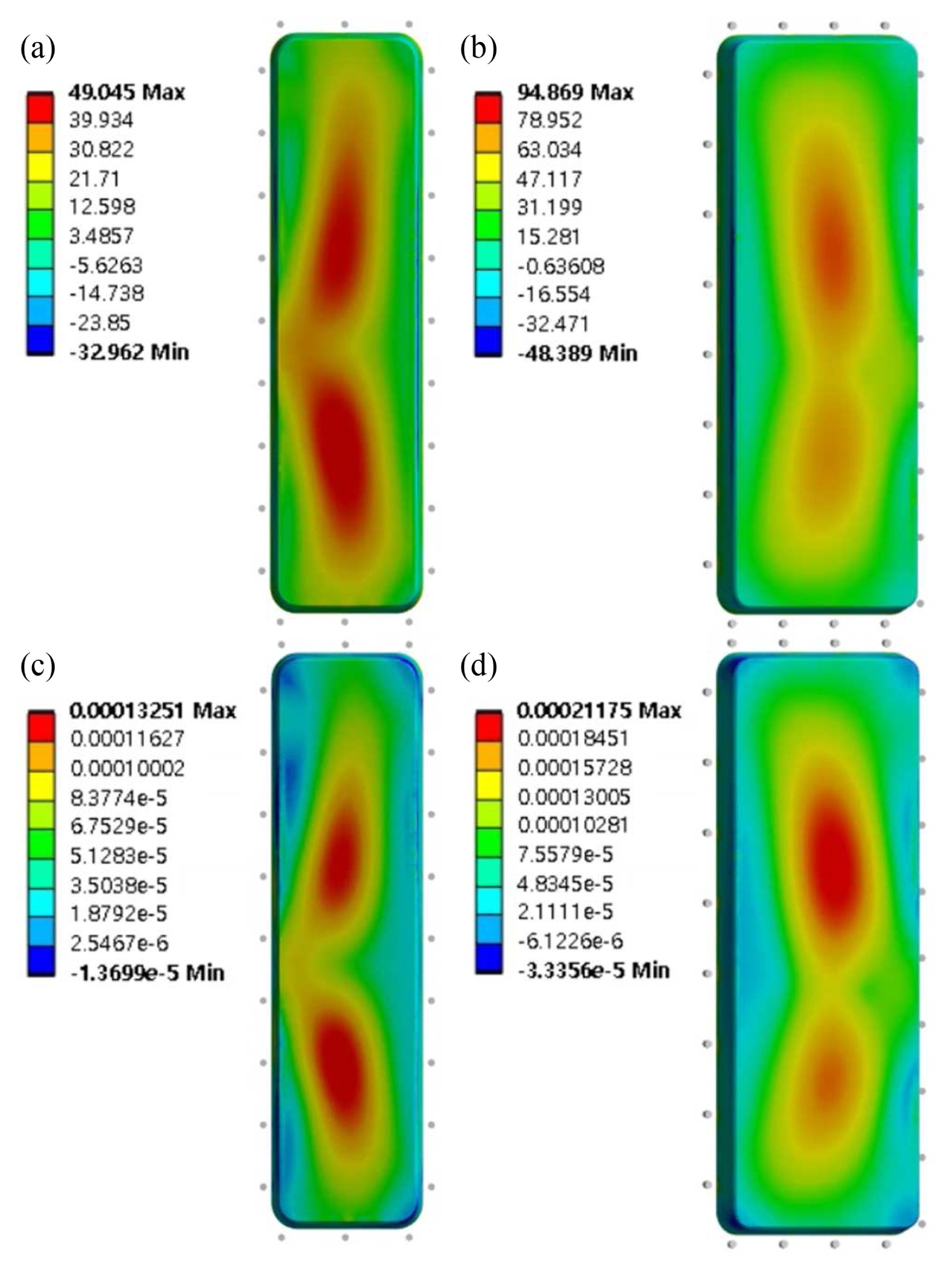
구조해석 결과
Fig. 7과 같이 외부 정수압 하중 조건에서 최대 주응력은 광학 창 중앙부 및 외곽 방향에서의 체결 부에서 지배적으로 발생하는 것으로 나타났으며, 이는 이론 기반 해석에서 예측된 응력 분포 경향과 일치하였다. 초기 설계에서 계산된 최대 주응력은 체결 하중과 형상 변수가 추가되어 다소 높게 나타났다. 최종적으로 광학 창 두께 증가에 따른 강성 확보 가능 범위를 정의할 수 있었다.
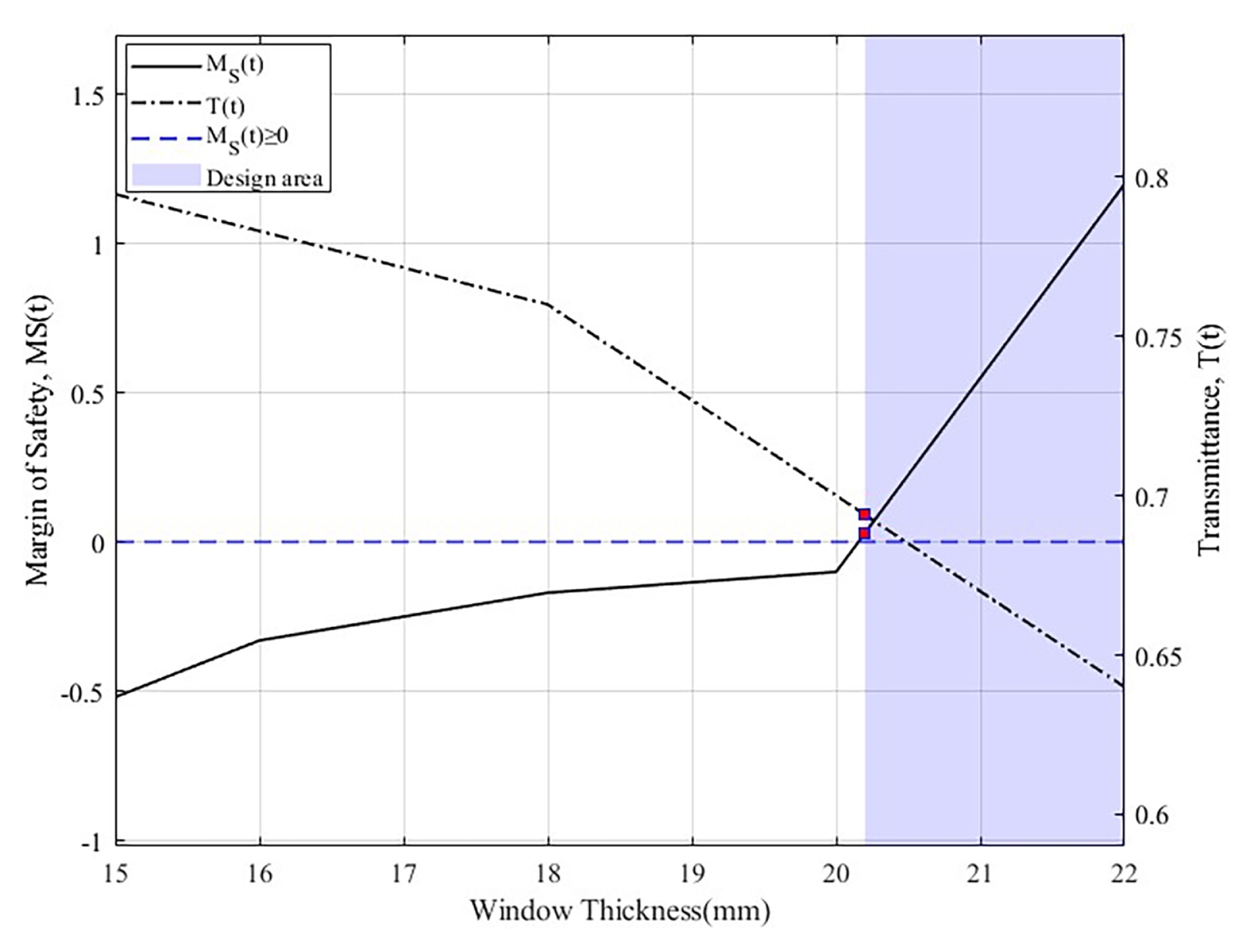
본 연구에서는 심해 고수압 환경에서 사용되는 사파이어 광학 창의 구조적 안전성과 광학 성능을 동시에 만족하는 설계를 도출하기 위해 다목적 최적설계 문제를 정식화 하였다. 설계 변수는 광학 창의 두께로 정의되며, 구조 해석 및 광학 특성 분석 결과를 기반으로 목적함수와 제약 조건을 설정하였다. 설계변수는 광학 창의 두께(t)로 단일 변수로 정의하였다. 유한요소해석을 통해 계산된 최대 주응력 과 재료의 기준 강도를 이용하여 안전마진(Margin of Safety, MoS)을 목적함수로 정의한다. 여기서 안전마진은
식(6)을 통해 도출한다.
허용응력은 Weibull 통계 기반 B-basis 강도이며, 최대응력은 유한요소 해석에서 도출한 최대 주응력이다.
사파이어는 두께 증가에 따라 적외선 파장대에서 투과율이 감소하기 때문에 실험적으로 측정된 재료의 파장별 투과율 데이터를 기반으로, 두께 변화에 따른 중심파장 4.25 μm의 광 투과율 T(t)로 정의하였다. 본 연구의 최적설계 문제는
식(7)과 같이 정식화된다.
여기서 본 최적설계 문제에서 두 목적함수는 서로 상충 관계(Trade-off)에 있다. 두께 증가에 따라 구조적 안전마진은 증가하는 반면, 광 투과율은 감소하는 경향을 보인다. 따라서 본 연구에서는 목적함수인 안전마진을 충족하여, 구조안정성을 만족함과 동시에 광학 성능 저하를 최소화하는 두께를 도출하고자 한다. 설계 변수와 두 목적함수 데이터는
Table 6에 정리하였다.
각 변수 값은 특정 두께에서만 정의된 이산 데이터이므로, 두께 변화에 따른 연속적인 경향을 분석하기 위해 보간법을 적용하였다. 본 연구의 설계 문제는 두께 방향의 1차원 문제로 이론적 배경에 따라응답의 비선형성이 크지 않은 것으로 판단된다. 이에 따라 고차 회귀 모델이나 확률 기반 대리 모델 대신, 단순하고 해석이 용이한 선형 보간법을 적용하였다. 이를 통해 이산 데이터를 연속 함수 형태로 확장하였다. 선형 보간법은 인접한 두 데이터 점 사이에서 응답이 직선적으로 변화한다고 가정하고 그 표현은
식(8)과 같다[
23].
여기서 ti ≤ t ≤ ti+1이고, f(Ms, T)는 해당 두께에서의 응답 값을 의미한다. 이는 각 구간에서 응답 변수가 두께에 대해 선형적으로 변화한다고 가정한다.
3.5 최적설계 결과 분석
생성된 설계 공간에서 제약 조건 M
S(t) ≥ 0을 만족하는 영역을 추출하여
Fig. 8과 같이 설계 가능 영역을 정의하였다. 분석 결과, 구조적 안전 여유를 나타내는 M
S(t)는 두께 증가에 따라 증가하는 경향을 보였으며, 투과율을 나타내는 T(t)는 두께 증가에 따라 감소하는 경향을 보였다. 이러한 결과는 두 응답이 두께에 대해 상반된 특성에 따른 상충 관계가 형성됨을 확인하였다. 대부분의 구간에서 응답 변화는 완만한 선형거동을 나타냈으나, 일부 구간에서는 국부적인 비선형 거동이 관찰되었다. 그러나 데이터 포인트 수가 제한된 상황에서 고차 보간법을 적용할 경우 과적합이 발생할 가능성이 있으며, 본 연구의 목적이 정밀한 응답 예측보다는 설계 경향성 파악 및 실질적인 설계 범위 도출에 있는 점을 고려하여 선형 보간법을 적용하였다. 이를 통해 최소한의 가정으로 설계 공간을 구성하고, 구조적 안전성과 광학 성능 간의 관계를 효과적으로 분석하였다.
설계 가능 영역은 두께
t ∈ [
tmin,
tmax]범위 내에 존재하는 것으로 확인되며,
Fig. 8에서 파란색 음영으로 표시하였다. 설계 가능 영역의 하한은 M
S(t) = 0 제약 조건에 의해 결정된다. 설계자는 이 범위 내에서 임무 요구 조건에 따라 적절한 두께를 선택할 수 있다. 설계 가능한 영역 내에서 단일 설계안을 도출하기 위해, 구조적 안전성을 만족하는 조건에서 투과율을 최대화하고 광학창의 제작성을 고려하여 두께를 0.1 단위로 설정한 뒤 목적함수 를 기준으로 최적해를 선정하였다.
Table 7는 보간법을 통해 도출된 최적해와 이에 대응하는 응답 값을 정리한 결과이다.
결과적으로 본 연구에서 제안한 방법을 통해 구조적 안전성을 만족하는 두께 범위가 도출되었으며, 선형 보간 기반 설계 공간 분석을 통해 실행 가능 영역과 최적 설계안을 효과적으로 식별할 수 있음을 확인하였다.
4. 결론
본 연구에서는 심해 고수압 환경에서 사용되는 광학 창을 대상으로, 구조적 안전성과 광학 성능을 동시에 고려한 광학 창의 설계 및 평가 방법을 제시하였다. 심해 환경의 높은 정수압 조건에서 광학 창은 하중 경계로서의 구조적 역할과 동시에 안정적인 광 투과 성능을 유지해야 하므로, 두 요구 사항 간의 균형을 고려한 설계 접근이 필수적이다.
직사각형 광학 창에 대한 이론적 응력 해석을 수행하여 최소 요구 두께를 산정하였으며, 이를 통해 실리콘 광학 창의 경우 요구 두께가 과도하게 증가하여 제작성 및 설계 요구 조건 측면에서 한계가 있음을 확인하였다. 이에 따라 본 연구에서는 600-900 nm 및 3,400-5,100 nm 파장대역을 동시에 사용할 수 있는 광학 창 재료로 국내 개발된 사파이어를 채택하였다. 구조적 안전성 평가는 사파이어의 취성 재료 특성을 고려하여 최대 주응력 기준으로 수행되었으며, 3점 굽힘시험에서 도출된 데이터를 Weibull 통계 기반 B-basis 강도를 설계 기준 강도로 적용하였다. 조립체 단위 유한요소해석을 통해 실제 지지 조건과 하중 전달 효과를 반영한 구조 응력 분포를 분석한 결과, 이론식으로 도출된 최소 두께는 초기 설계 지표로서 타당함을 확인하였고, 특정 두께 이상에서 양의 안전마진을 안정적으로 확보할 수 있음을 확인하였다.
설계 가능한 두께 범위에 대해 실험 기반 투과율 데이터를 적용한 광학 성능 분석에서는 두께 증가에 따라 투과율이 감소하는 경향이 확인되었다. 이에 따라 본 연구에서는 구조적 안전성을 만족하는 설계 범위 내에서 투과율을 최대화하는 방향으로 설계 목적함수를 설정하였으며, 이를 통해 구조적 요구 조건을 만족하면서 광학 성능 저하를 최소화할 수 있는 두께 범위를 도출하였다.
본 연구의 결과는 실험 기반 성능 데이터와 유한요소해석을 단계적으로 결합함으로써 심해 환경에 적용 가능한 광학 창의 설계 기준을 효과적으로 도출할 수 있음을 보여준다. 또한 국내 개발된 사파이어 소재가 고수압 환경에서 광학 창 재료로서 충분한 적용 가능성을 확인하였다. 제안된 광학 창은 향후 심해 관측 장비, 해저 모니터링 시스템 등에 적용되는 광학 창 설계에 활용될 수 있을 것으로 기대된다.
FOOTNOTES
-
ACKNOWLEDGEMENT
본 연구는 2025년도 한화시스템㈜의 재원을 지원받아 수행되었습니다.
Fig. 13-point bending test specimen information
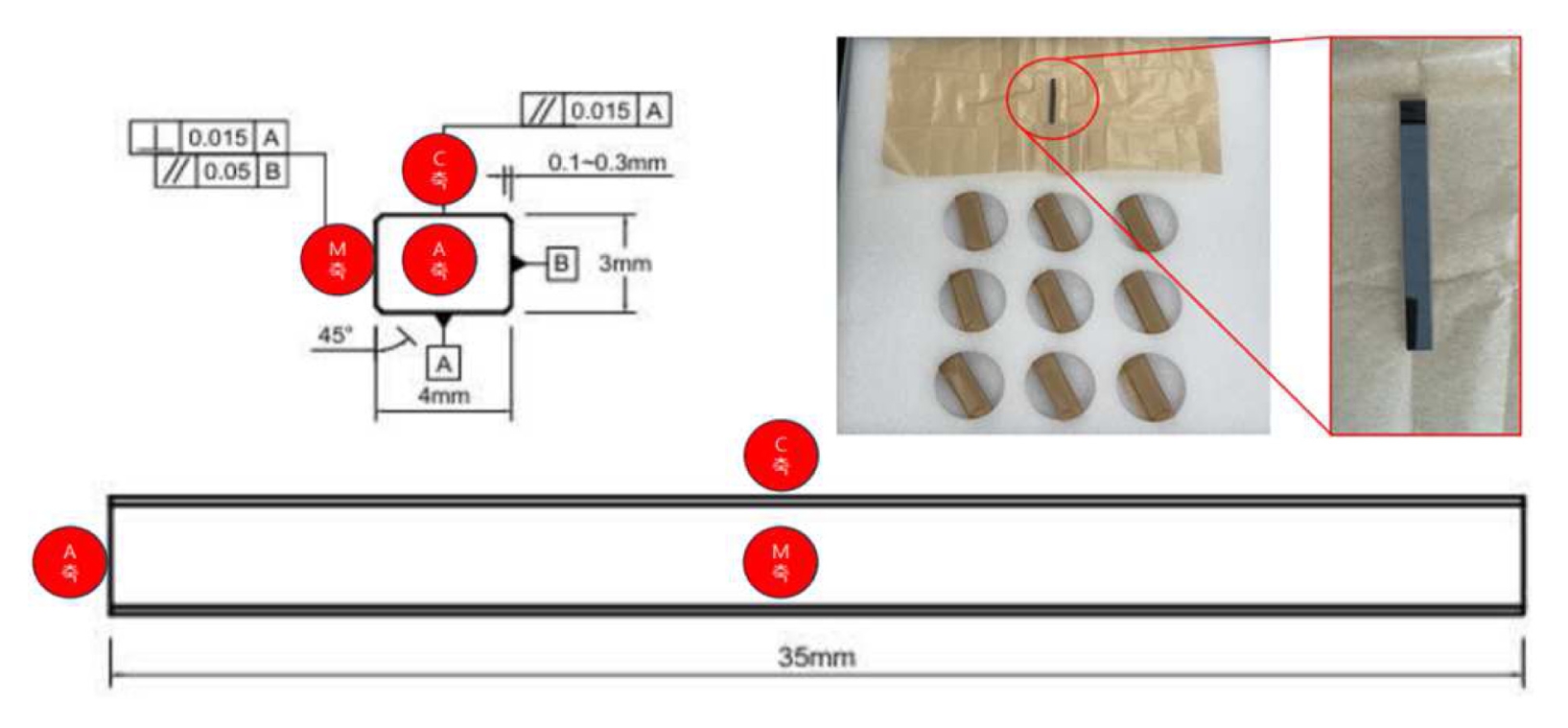
Fig. 23-point bending test configuration. (a) sapphire specimen, (b) silicon specimen
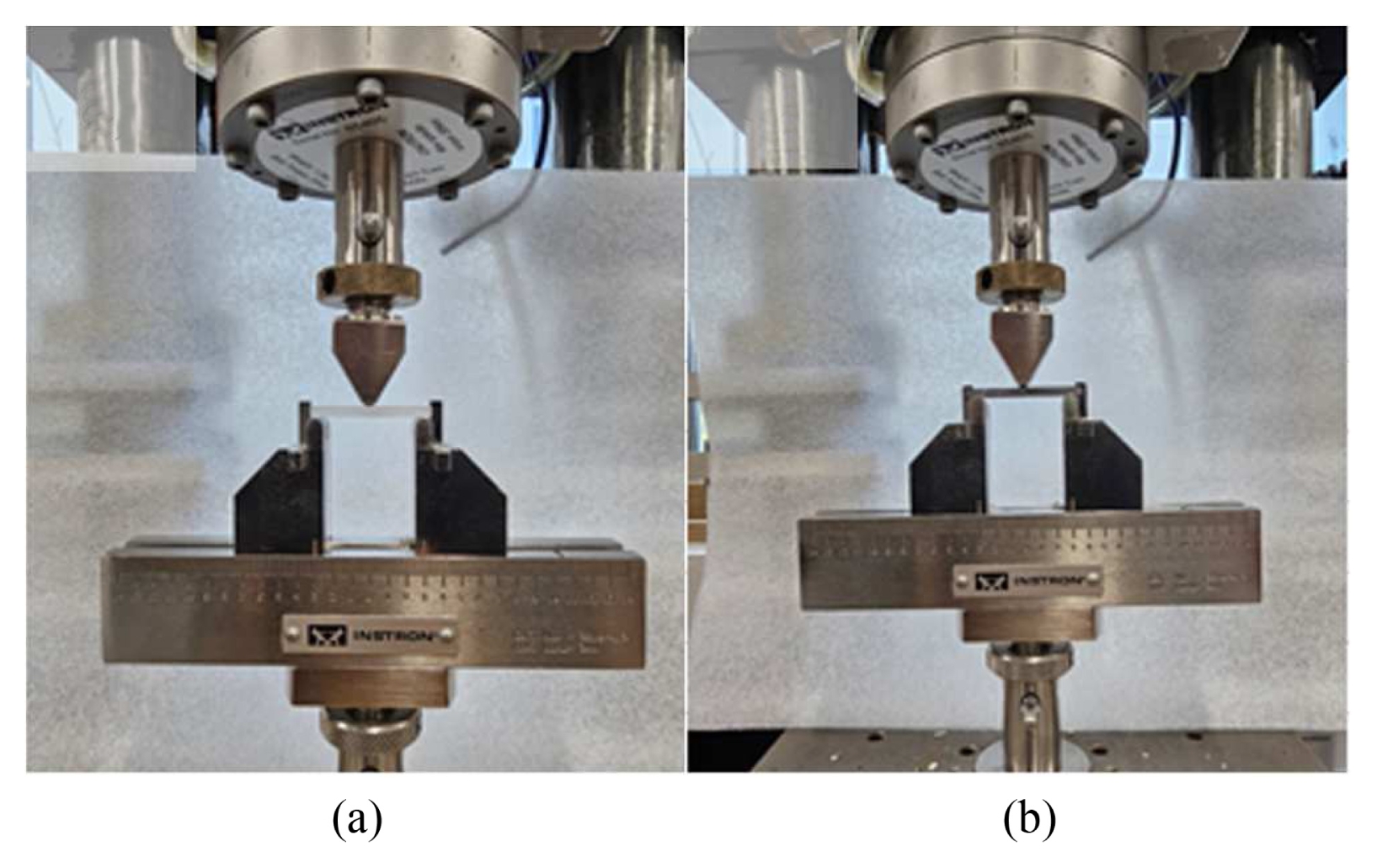
Fig. 3Transmittance experiment setup. (a) Sapphire specimen, (b) Silicon specimen, (c) Specimen transmittance measurement configuration
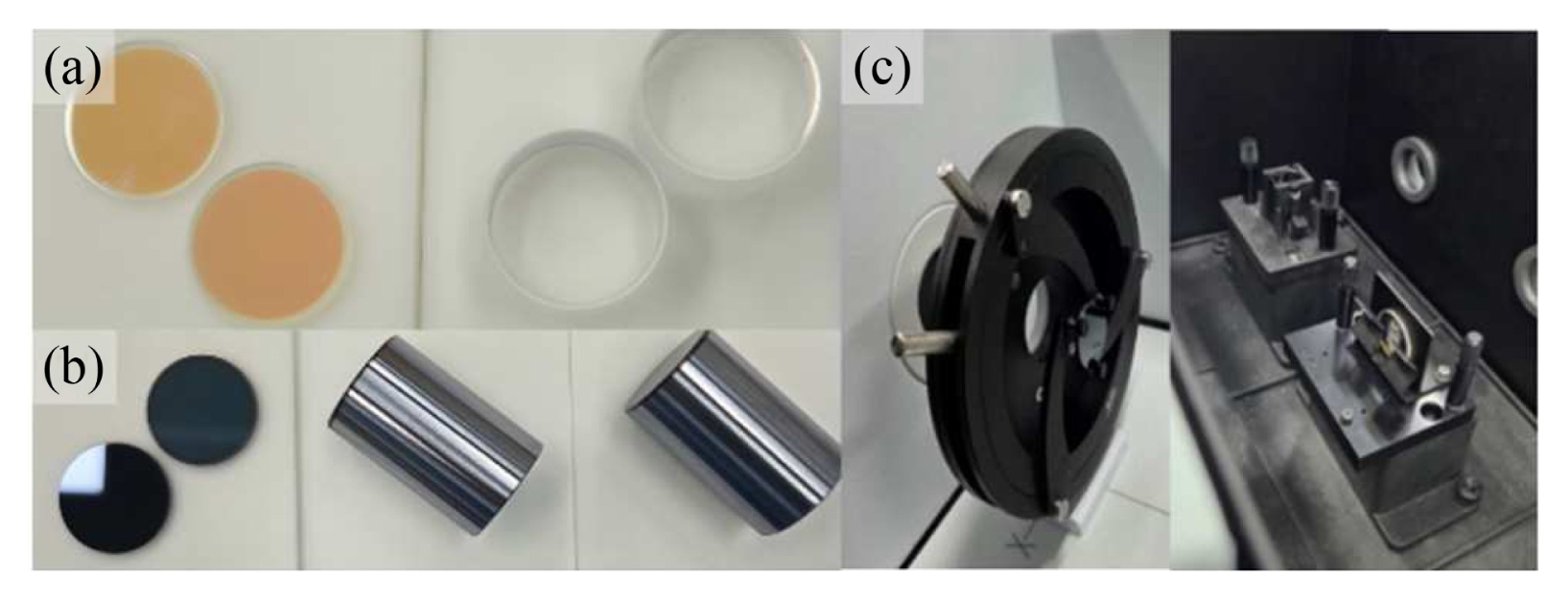
Fig. 4Raw data of transmittance test. (a) 0.6–0.9 μm sapphire transmittance, (b) 3.4–5.1 μm sapphire transmittance, (c) 3.4–5.1 μgm silicon transmittance
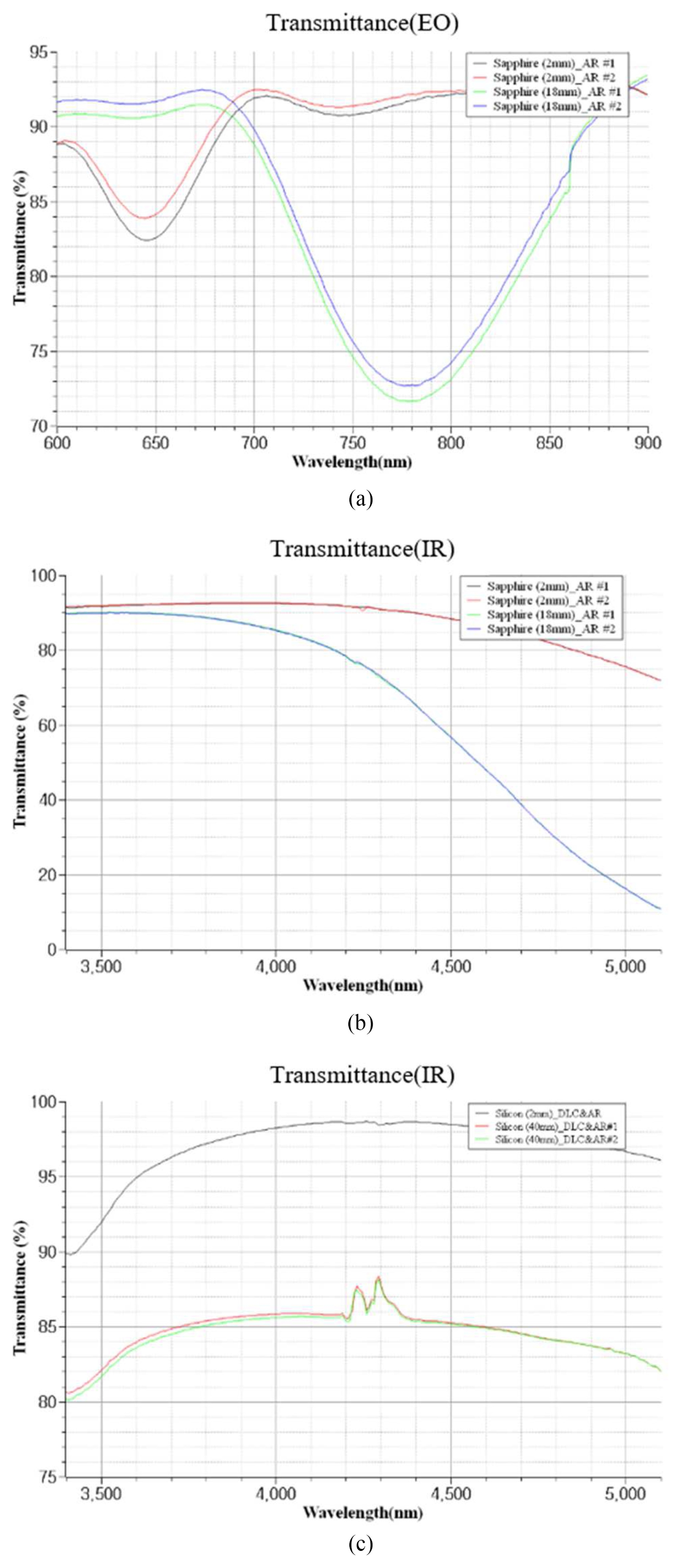
Fig. 5Geometry information of the optical window assembly
Table 4 Constituent materials of the optical window assembly
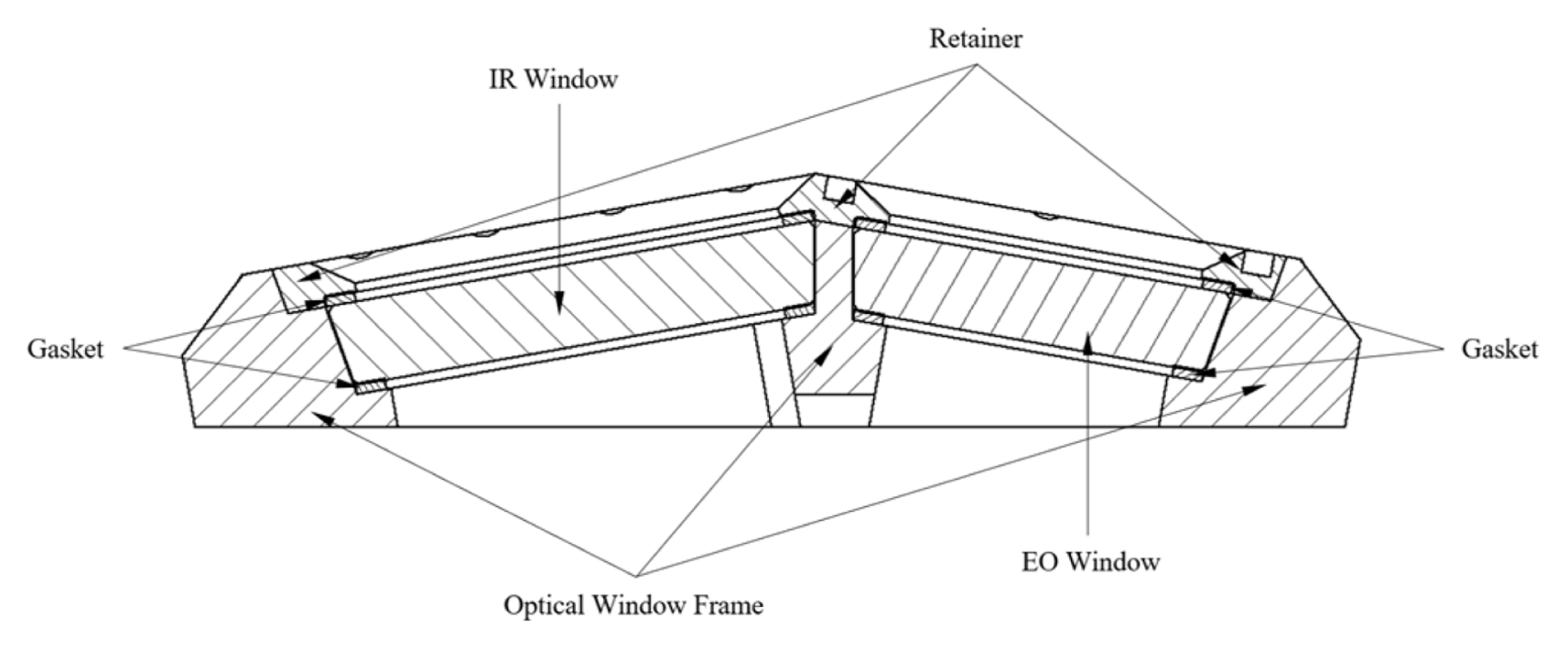
Fig. 6Finite element model information of the optical window assembly. (a) Front view of the assembly (mesh geometry information), (b) Boundary conditions of the assembly, A’ hydrostatic pressure load condition, B' fixed support constraint condition
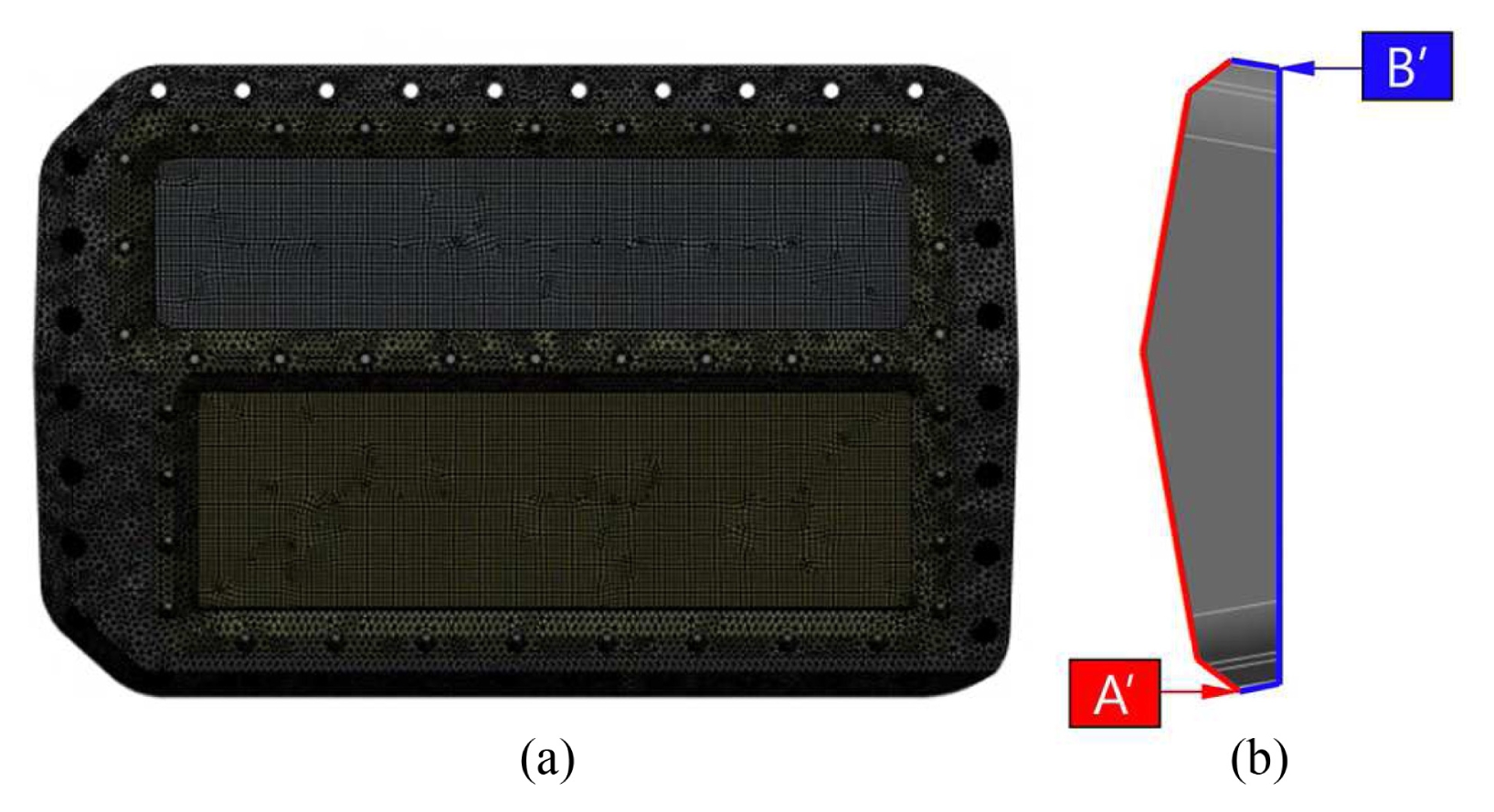
Fig. 7Finite element analysis results. (a) EO Window maximum principal stress, (b) IR Window maximum principal stress, (c) EO Window strain, (d) IR Window strain
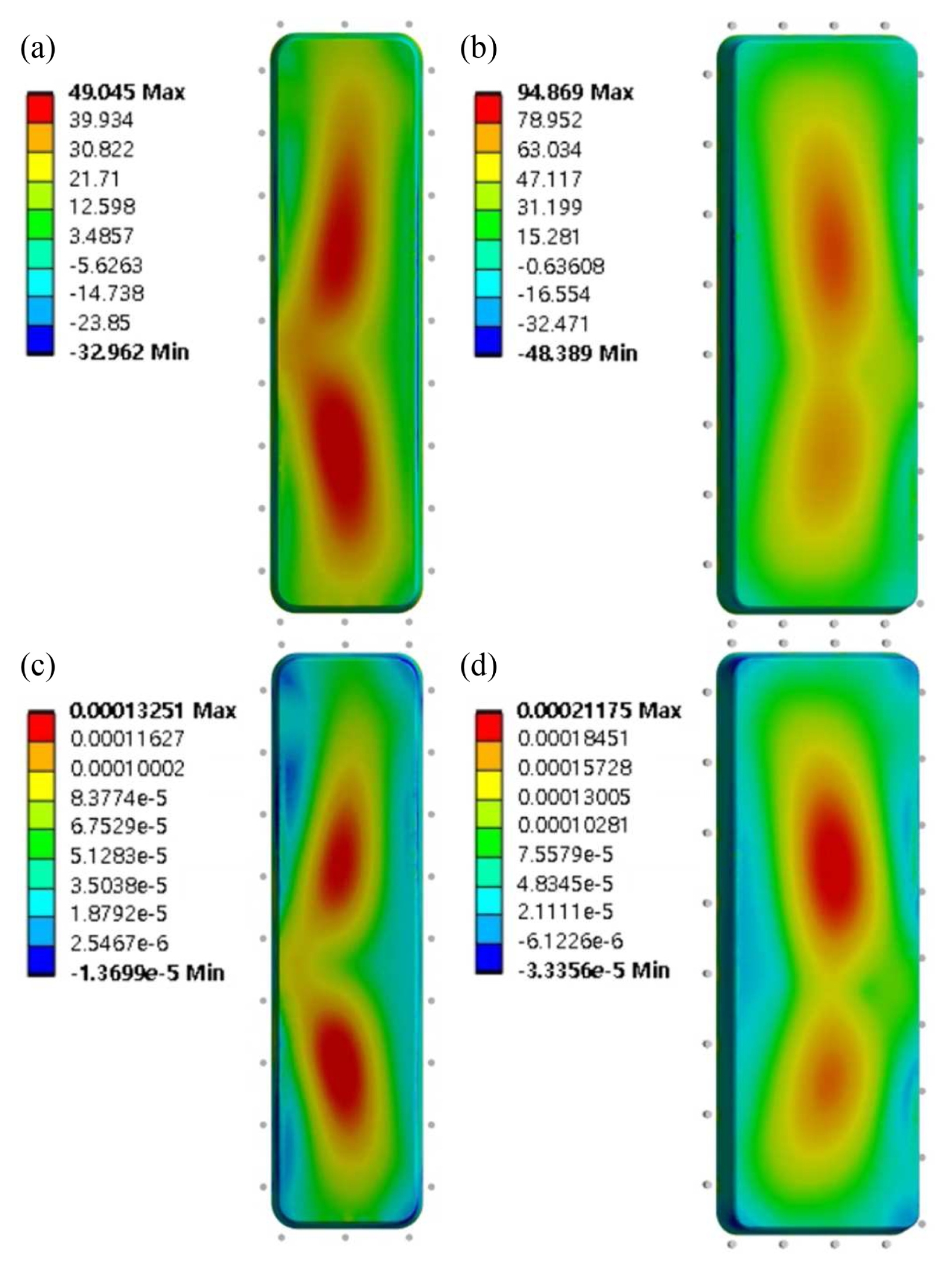
Fig. 8Safety margin and transmittance according to optical window thickness derived through interpolation
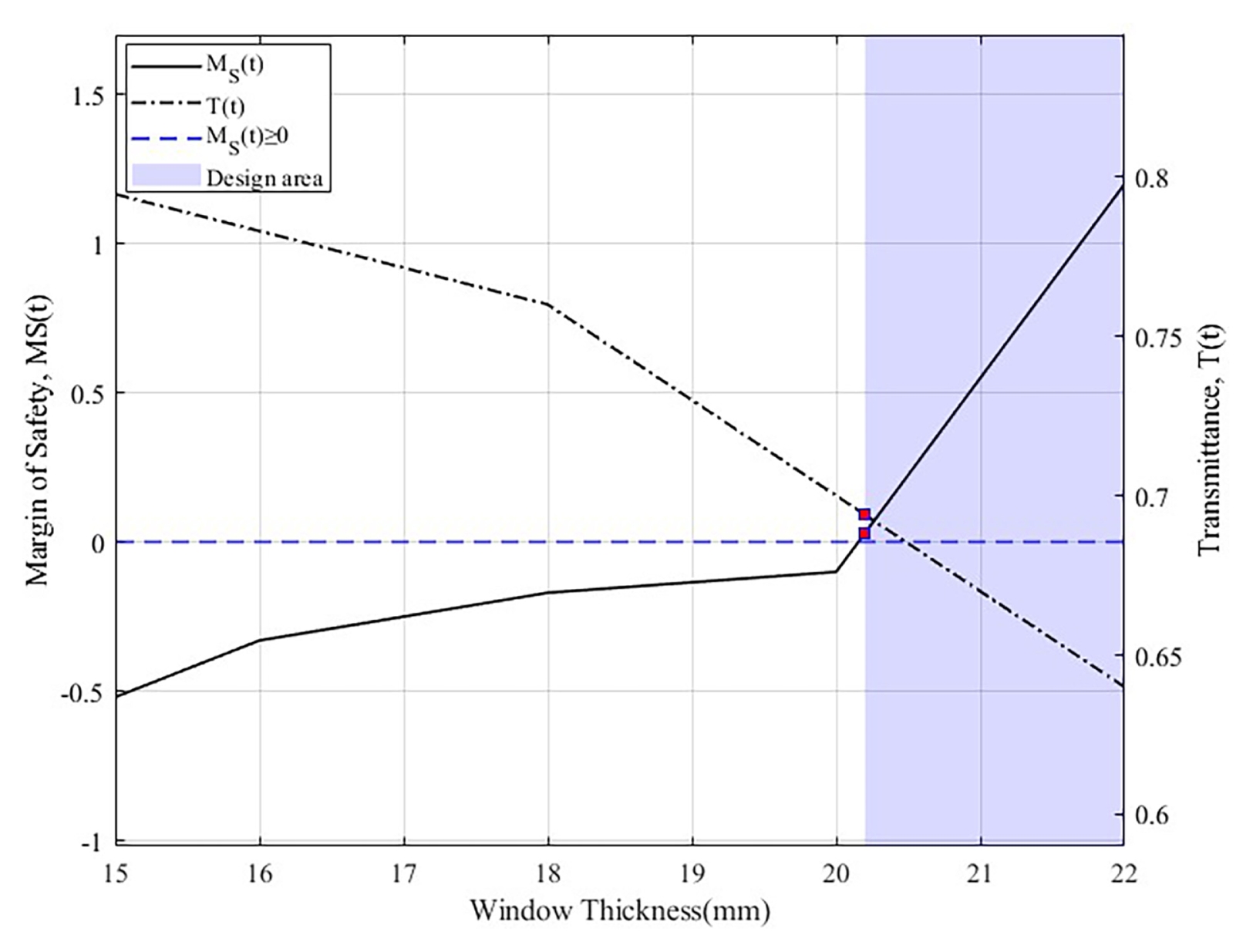
Table 1Mechanical properties of window material
Table 1
|
Properties |
Sapphire |
Silicon |
|
Elastic modulus [GPa] |
375 |
130 |
|
Poisson’s ratio |
0.25 |
0.22 |
|
Density [g/cm3] |
3.96 |
2.33 |
|
Compressive strength [MPa] |
2,000 |
1,000 |
|
Tensile strength |
- |
120 |
|
Transmission wavelength |
0.15–5.5 |
1.2–7.0 |
Table 2Statistical strength characteristics results
Table 2
|
Properties |
Sapphire |
Silicon |
|
Weibull coefficient [m] |
12.42 |
5.2 |
|
Weibull variance [R2] |
0.94 |
0.96 |
|
B-basis strength [MPa] |
282.97 |
74.63 |
|
B-basis coefficient [Pb] |
0.96 |
0.96 |
Table 3Transmittance characteristics of the specimen
Table 3
|
Material |
Thickness [mm] |
Transmittance [%] |
|
Wavelength (0.75μm) |
Wavelength (4.25μm) |
|
Sapphire |
2 |
91.06 |
91.13 |
|
Sapphire |
18 |
75.66 |
75.79 |
|
Silicon |
2 |
- |
98.69 |
|
Silicon |
40 |
- |
86.67 |
Table 4Constituent materials of the optical window assembly
Table 4
|
No. |
Part name |
Materials |
|
1 |
Optical window frame |
TC4 |
|
2 |
Retainer |
TC4 |
|
3 |
EO window |
Sapphire |
|
4 |
IR window |
Sapphire |
|
5 |
Gasket |
NBR 70 |
Table 5Constituent materials of the optical window assembly
Table 5
|
Properties |
TC4 |
Sapphire |
|
Elastic modulus [GPa] |
106 |
375 |
|
Poisson’s ratio |
0.3 |
0.25 |
|
Density [g/cm3] |
4.55 |
3.96 |
|
Yield strength [MPa] |
824 |
- |
|
Compressive strength [MPa] |
- |
2,000 |
|
Tensile strength [MPa] |
- |
282.97 |
Table 6Design scope and experimental results
Table 6
|
Thickness [mm] |
Ms [t] |
T [t] |
|
2 |
- |
0.91 |
|
5 |
- |
0.91 |
|
15 |
−0.52 |
- |
|
16 |
−0.33 |
- |
|
18 |
−0.17 |
0.76 |
|
20 |
−0.1 |
0.70 |
|
22 |
0.2 |
- |
Table 7Optimal solution obtained from interpolation
Table 7
|
Type |
T [mm] |
f [Ms] |
f [T] |
|
Optimal solution |
20.2 |
0.03 |
0.694 |
REFERENCES
- 1. Xiong, Q., Peng, W., Fang, J., Yu, B., Zhen, S., (2021), Simulation and optical optimization of deep-sea hydrothermal velocity measurement system, Proceedings of the International Conference on Optoelectronic Materials and Devices. 11767: 108-114.
- 2. Patel, B., Zaidi, Z., (1999), The suitability of sapphire for laser windows, Measurement Science and Technology, 10(3), 146-151.
- 3. Locher, J., Jones, C., Bates, H., Rioux, J., (2009), Characteristics of thick (> 12 mm) Class225 EFG sapphire sheet for IR window applications, Window and Dome Technologies and Materials XI, 7302, 21-25.
- 4. Levine, J. B., Burks, T., Ciraldo, J., Montgomery, M., Novoselov, A., Podlozhenov, S., (2013), Synthesis and characterization of large optical grade sapphire windows produced from a horizontal growth process, Window and Dome Technologies and Materials XIII, 8708, 80-85.
- 5. Walters, M. M., Bartlett, M. K., Brophy, M. R., Nelson, J. D., Medicus, K., (2015), Reduced cost and improved figure of sapphire optical components, Proceedings of the Optifab. 9633: 101.
- 6. Huang, P., Chen, T., Yin, L., Zhao, T., Zhang, J., (2019), Optical optimization of deep submersible LED light on silicone package, Proceedings of the 20th International Conference on Electronic Packaging Technology. 1-4.
- 7. Stamatelatos, I., Messoloras, S., (2000), Sapphire filter thickness optimization in neutron scattering instruments, Review of Scientific Instruments, 71(1), 70-73.
- 8. Du, J., Liu, Y., Ma, J., Dang, B., Zhou, G., (2022), Design and analysis of the hemispherical optical window used in the deepest sea, Proceedings of the Eighth Symposium on Novel Photoelectronic Detection Technology and Applications. 12169: 2809-2814.
- 9. Wei, Y., Ma, G., Zhang, H., Zhang, X., Quan, X., (2023), Optimization design of optical windows for deep-sea pressure-resistant structures based on transition materials, Frontiers in Marine Science, 10, 1211337.
- 10. Dobrovinskaya, E. R., Lytvynov, L. A., Pishchik, V., (2009), Sapphire: Material, manufacturing, applications. Springer US.
- 11. Weber, M. J., (2003), Handbook of Optical Materials. CRC Press.
- 12. Madelung, O., (2004), Semiconductors: Data handbook. Springer.
- 13. Nakamura, Y., Hojo, S., Sato, H., (2010), The effect of surface roughness on the weibull distribution of porcelain strength, Dental Materials Journal, 29(1), 30-34.
- 14. ISO 14704:2016. (2016), Fine ceramics (advanced ceramics, advanced technical ceramics— Test method for flexural strength of monolithic ceramics at room temperature.
- 15. Weibull, W., (1951), A statistical distribution function of wide applicability, Journal of Applied Mechanics, 18(3), 293-297.
- 16. Barbero, J. C., Gutierrez, J. M., (2012), Determination of basis values from experimental data for fabrics and composites, Proceedings of the SAMPE.
- 17. U.S. Department of Defense. 2002;Composite materials handbook, Vol. 3 Polymer matrix composites—Materials usage, design, and analysis (MIL-HDBK-17–3F). https://snebulos.mit.edu/projects/reference/MIL-STD/MIL-HDBK-17-3F.pdf.
- 18. Ugural, A. C., (1999), Stresses in beams, plates, and shells, 3rd Edition. CRC Press.
- 19. Young, W. C., Budynas, R. G., Sadegh, A. M., (2012), Roark’s formulas for stress and strain, 8th Edition. McGraw-Hill Companies, Incorporated.
- 20. Stachiw, J. D., (2003), Handbook of acrylics for submersibles, hyperbaric chambers, and aquaria. Best Publishing Company.
- 21. Szabó, G., Váradii, K., (2018), Large strain viscoelastic material model for deformation, stress and strain analysis of o-rings, Periodica Polytechnica Mechanical Engineering, 62(2), 148-157.
- 22. Kim, B., Lee, SB, Lee, J, Cho, S., Park, H., Yeom, S., Park, S. H., (2012), A comparison among Neo-Hookean model, Mooney-Rivlin model, and Ogden model for chloroprene rubber, International Journal of Precision Engineering and Manufacturing, 13(5), 759-764.
- 23. Press, W. H., Teukolsky, S. A., Vetterling, W. T., Flannery, B. P., (2007), Numerical recipes: The art of scientific computing, 3rd Edition, Cambridge University Press.
Biography
- Jin Yong Heo
M.S. student in the Department of Mechanical Engineering, Chungnam National University. His research interests include optomechanical systems and design optimization.
- Jong Gyun Kang
Ph.D. from the Department of Mechanical Engineering, Chungnam National University, Korea AeroSpace Administration (KASA), where he serves as Assistant Director in the SSE Mission Assurance Program within the Space Science/Exploration Directorate. His research interests include space science and ultraprecision machining.
- Seong Hyeon Park
Ph.D. candidate in the Department of Mechanical Engineering, Chungnam National University. His research interests include 3D printing and ultraprecision machining.
- Joong Kyu Ham
Ph.D. candidate in the Department of Mechanical Engineering, Chungnam National University. His current research interests include structural analysis.
- Seo Hyun Kim
Research Professor & Director of Lucidus Optical Design Lab, Department of Defense and Space Engineering, Hanbat National University. Research interests include hyperspectral imaging system design, infrared and EUV optical architectures, and spaceborne imaging payload development.
- Jae Myung Cho
Chief Engineer, R&D Center in Hanwha Systems. His research interest is precision engineering.
- Jong In Bae
Chief Engineer, R&D Center in Hanwha Systems. His research interest is Optomechanical system design and development, structural analysis and thermal analysis for Electro-optical system.
- Jae Ik Lee
Chief Engineer in Electro Optronics System Team 1, Hanwha Systems. His research interest is electro optronic design.
- Min Cheol Kim
Engineer in Electro Optronics System Team 1, Hanwha Systems. His research interest is electro optronic design.
- Geon Hee Kim
Professor, Department of Advanced Convergence of Space and Defense, Hanbat National University. His research interests include ultraprecision machining, satellite optical systems, and hyperspectral-based optical applications.