ABSTRACT
Material extrusion (MEX) is widely used in additive manufacturing due to its simplicity and compatibility with various thermoplastics. While adhesive coating is commonly applied to enhance the watertightness of MEX-fabricated (MEXed) structures, its impact on mechanical properties remains unclear. This study investigated the effect of cyanoacrylate adhesive dip coating on the mechanical behavior of MEXed polylactic acid (PLA) specimens. Tensile specimens were fabricated in both longitudinal and transverse orientations and coated with two commercial cyanoacrylate adhesives, Loctite 401 and Alaska 4001. The coating process was repeated 2, 4, and 6 times, followed by cross-sectional observations and tensile testing. The results indicated that the cross-sectional area increased with an increasing number of coating repetitions, regardless of adhesive type or infill pattern. Tensile strength generally decreased after coating, with reductions of 10.6–14.7% after six coating cycles. In contrast, the elongation at break increased after coating treatment. For Loctite 401, the maximum increases were approximately 35.1% and 124.1% for the longitudinal and transverse specimens, respectively, while Alaska 4001 resulted in maximum increases of approximately 29.7% and 48.3%, respectively. These findings suggest that adhesive dip coating significantly alters the mechanical behavior of MEXed PLA structures and requires optimization to balance strength and ductility.
-
KEYWORDS: Additive manufacturing, Material extrusion, Mechanical properties, Dip coating
-
KEYWORDS: 적층 제조, 재료 압출, 기계적 물성, 침지 코팅
1. Introduction
Additive Manufacturing (AM) has been widely adopted in various industrial fields owing to its capability to fabricate complex geometries without molds or dedicated tooling [
1,
2]. Among various AM technologies, Material Extrusion (MEX) is one of the most widely utilized processes due to its high accessibility, cost-effectiveness, and compatibility with a wide range of thermoplastic materials [
3,
4]. In particular, MEX has been actively employed not only for rapid prototyping but also for the fabrication of functional and structural components [
5]. Owing to these advantages, MEX-fabricated (MEXed) structures have been increasingly utilized in applications involving fluid or gas flow, including fluid containers, microfluidic channels, housings, ducts, and storage components requiring liquid sealing performance [
6-
8].
However, the layer-by-layer deposition nature of the MEX process and the circular geometry of the extrusion nozzle inherently generate microscopic gaps between adjacent deposited beads and layers. These voids can form interconnected leakage pathways within the MEXed structure, resulting in insufficient watertightness [
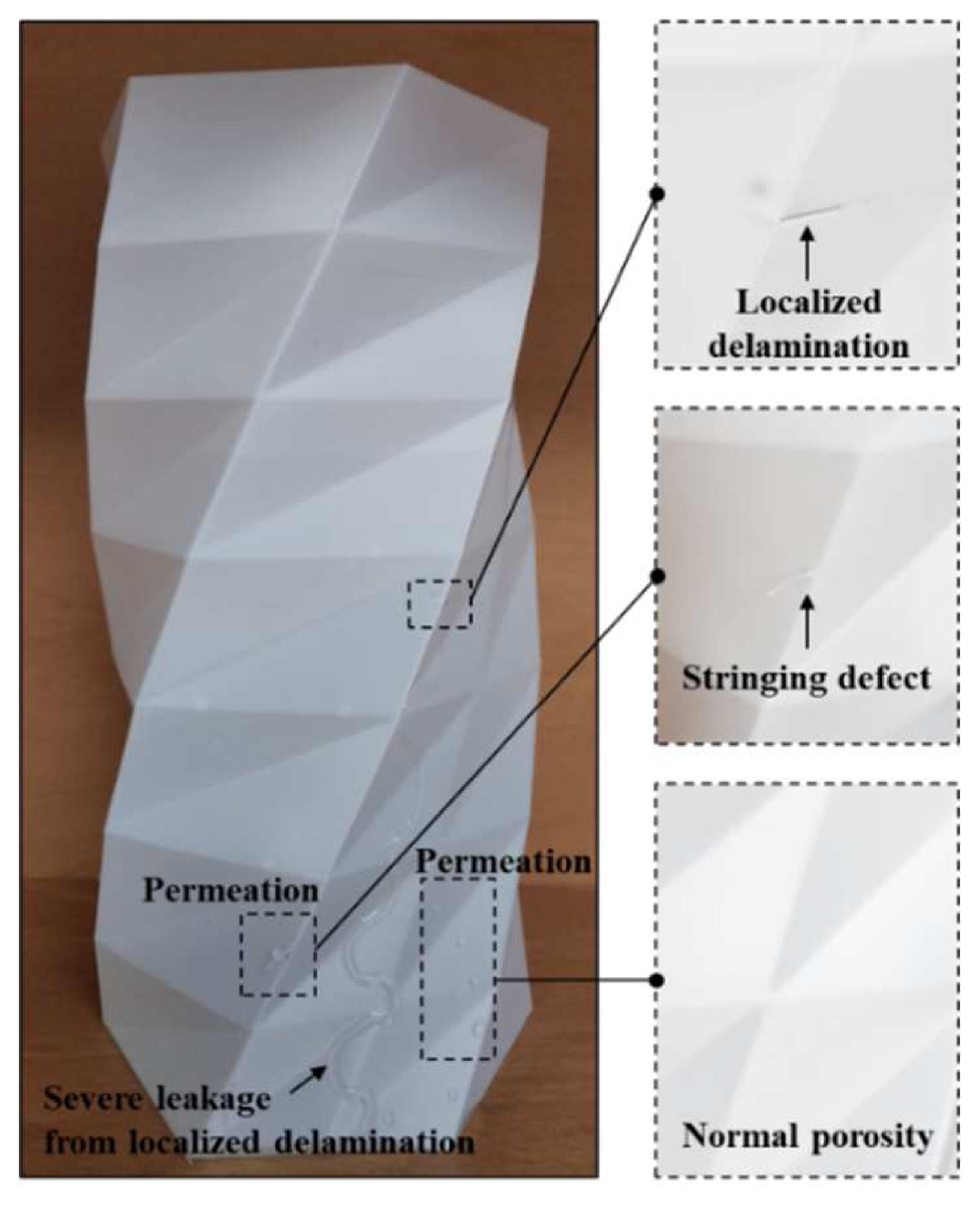
9]. In addition to degrading mechanical performance, such defects can significantly affect the fluid sealing capability of MEXed parts. Leakage-related defects commonly observed in MEXed structures include localized delamination (partial separation between adjacent deposited layers), stringing defects (unintended deposition of residual molten filament during nozzle travel movement), and normal porosity (microscopic internal or surface-connected voids generated during deposition, which may not be visually distinguishable on the outer surface), as illustrated in
Fig. 1. Among these defects, localized delamination can induce severe leakage due to the formation of relatively large interconnected openings, whereas stringing defects and normal porosity typically result in localized liquid permeation or droplet-level leakage. Furthermore, in large-scale MEXed structures such as fluid storage tanks, leakage may become more severe due to the increased hydrostatic pressure exerted by the stored liquid.
To reduce these defects, various process optimization strategies, such as increasing nozzle temperature to improve interlayer bonding, increasing extrusion flow rate, and decreasing layer thickness to achieve denser deposition, have been employed in previous studies [
10-
12]. In addition to process optimization, several post-processing approaches, including surface coating, infiltration, and sealing treatments, have been explored to improve the watertightness of MEXed parts [
13-
15]. These approaches aim to block surface-connected defects and prevent the formation of continuous leakage pathways. Previous studies have demonstrated that coating and sealing treatments can effectively reduce liquid permeation and enhance leakage resistance. However, most existing studies have primarily focused on evaluating leakage prevention performance, while the influence of coating treatments on the mechanical properties of MEXed parts has received relatively little attention. Since coating materials can penetrate surface defects and inter-bead gaps, they may alter stress transfer mechanisms between deposited filaments and consequently affect the mechanical behavior of MEXed structures. Depending on the coating material and treatment condition, the infiltration of coating agents into surface-connected defects may either improve structural integrity by reinforcing weak regions or adversely affect mechanical performance due to localized stress concentration and material embrittlement. Despite the practical importance of this issue, studies systematically investigating both leakage-prevention performance and mechanical property variation induced by coating treatments remain limited.
In this study, commercially available cyanoacrylate adhesives were employed as dip coating materials for MEXed structures to investigate their influence on mechanical performance. Tensile specimens were fabricated in both longitudinal and transverse directions and subsequently subjected to repeated dip coating treatments. Cross-sectional analyses were conducted to examine the distribution and penetration behavior of the adhesive according to the number of coating cycles. Furthermore, tensile testing was performed to evaluate the variations in tensile strength and elongation at break as a function of coating repetition. The findings are expected to provide practical guidelines for the application of adhesive-based post-processing treatments in MEXed structures.
2. Methodology
2.1 Specimen Fabrication
Tensile specimens were fabricated using a MEX system (A1, Bambu Lab, China). A commercially available white polylactic acid (PLA) filament with a diameter of 1.75 mm (HS PLA, Hanil Industry Co., Ltd., Namyangju-si, Republic of Korea) was used as the MEX material. The specimens were designed according to ASTM D638 Type I geometry and fabricated in both longitudinal and transverse infill patterns with 100% infill density to investigate the influence of deposition direction on the effectiveness of adhesive coating treatments [
16]. The MEX parameters were maintained constant throughout the fabrication process. The layer thickness, nozzle diameter, nozzle temperature, bed temperature, and nozzle speed were set to 0.2 mm, 0.4 mm, 220°C, 55°C, and 250 mm/s, respectively.
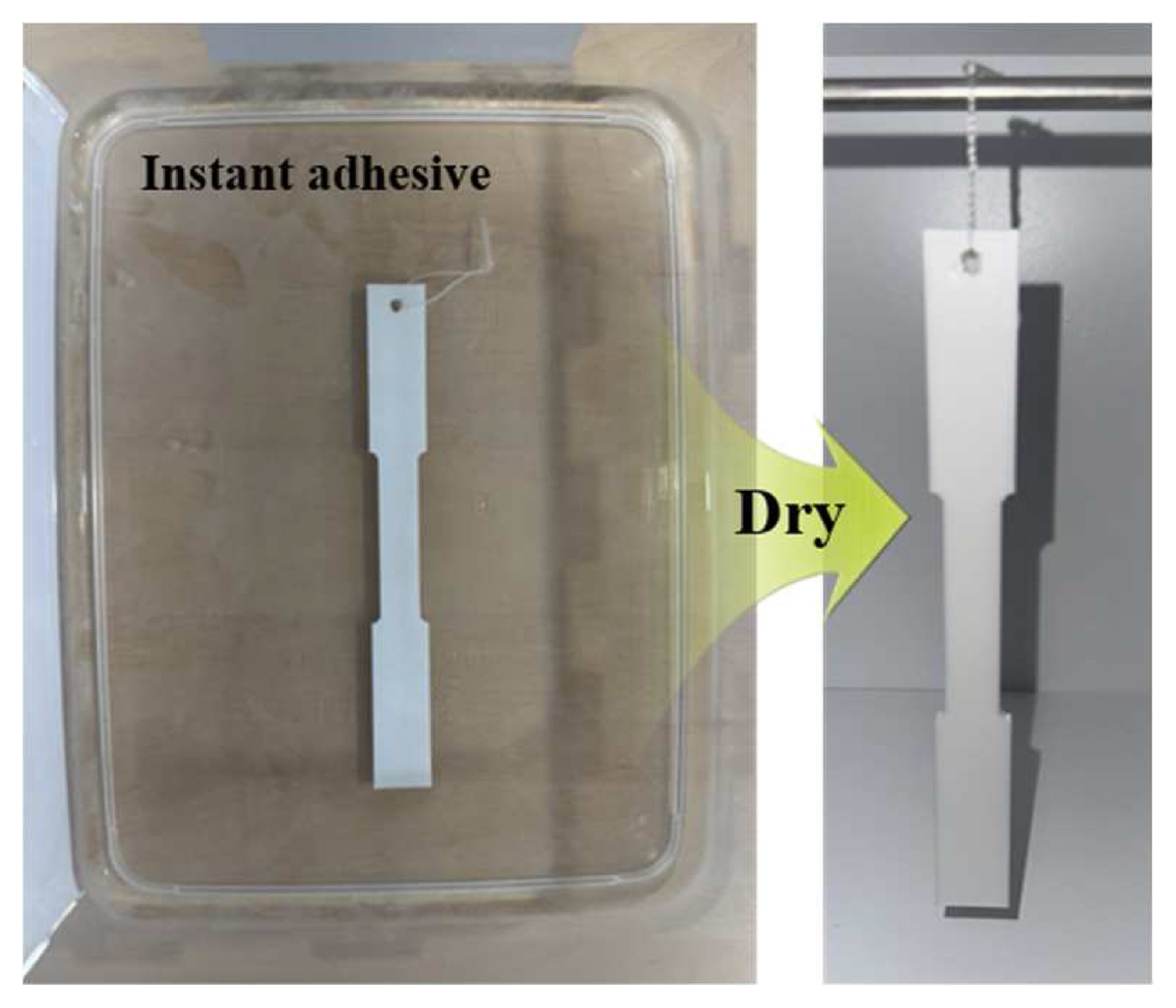
Two commercially available cyanoacrylate adhesives, Loctite 401 (Henkel AG & Co. KGaA, Germany) and Alaska 4001 (Alaska Co., Republic of Korea), were employed as dip coating materials. According to the manufacturer's technical data sheet, Loctite 401 exhibits a viscosity of 70–110 mPa·s by the cone-and-plate method and 100–120 mPa·s by the Brookfield method at 25°C. In addition, it exhibits a cure time of less than 5 seconds and a lap shear strength of less than 10 MPa on a thermoplastic polymer substrate. According to the manufacturer's website, Alaska 4001 exhibits a viscosity of approximately 100 mPa·s and a tensile-shear strength of 120–160 kgf/cm² (approximately 11.8–15.7 MPa). The coating treatment was conducted using a simple immersion process, as illustrated in
Fig. 2. Each tensile specimen was completely immersed in a container filled with cyanoacrylate adhesive and held in the adhesive for 10 seconds, a duration used in previous dip coating studies [
17], to allow sufficient contact between the adhesive and the specimen surface. After immersion, the specimen was removed from the adhesive and dried under ambient laboratory conditions for 12 hours. A small hole was introduced at the grip section of each specimen, and the specimen was suspended vertically during drying, as shown in
Fig. 2. This configuration enabled the specimen to maintain a uniform vertical position under gravity and prevented directional inclination during the curing process, thereby minimizing variations in coating conditions between specimens. This procedure was defined as one coating cycle. To investigate the influence of coating repetition, the coating process was repeated 2, 4, and 6 times, resulting in three coating conditions for each adhesive. Three specimens were used for each coating condition, and the cross-sectional area was compared according to the number of coating cycles.
Tensile tests were performed to evaluate the influence of adhesive coating on the mechanical behavior of MEXed specimens. The tests were conducted using a universal testing machine (AGX-10kNVD, Shimadzu Corporation, Japan) equipped with a 10 kN load cell. All tests were performed at a crosshead speed of 1 mm/min. For each experimental condition, three specimens were tested. The tensile strength and elongation at break were reported as the mean value ± standard deviation obtained from the three specimens.
2.4 Cross-sectional Observations
Cross-sectional observations were performed to evaluate the effect of repeated dip coating and the penetration behavior of the cyanoacrylate adhesives. For macroscopic observation, the cross-sections of uncoated and coated specimens were photographed using a smartphone camera. In addition, the cross-sections were observed using scanning electron microscopy (SEM; Apreo 2S, Thermo Fisher Scientific, USA) to examine whether the cyanoacrylate adhesives penetrated into the surface-connected defects and inter-bead gaps of the MEXed specimens.
3. Results and Discussion
3.1 Effect of Dip Coating in Terms of Cross-section
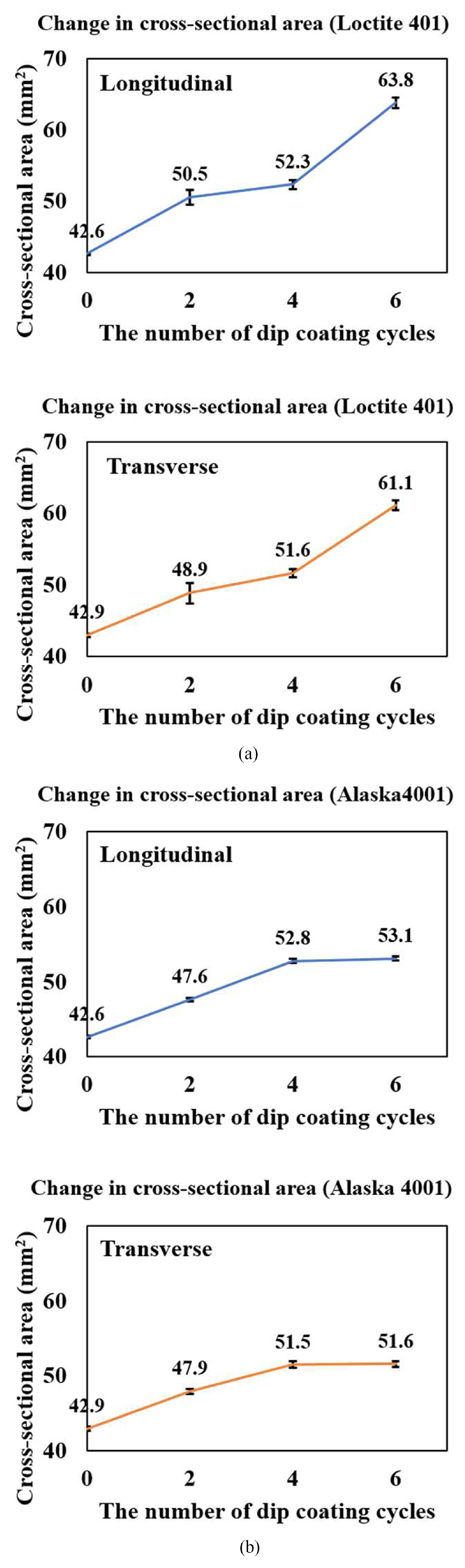
Fig. 3 plots the variation in cross-sectional area according to the number of dip coating cycles for specimens coated with Loctite 401 (
Fig. 3(a)) and Alaska 4001 (
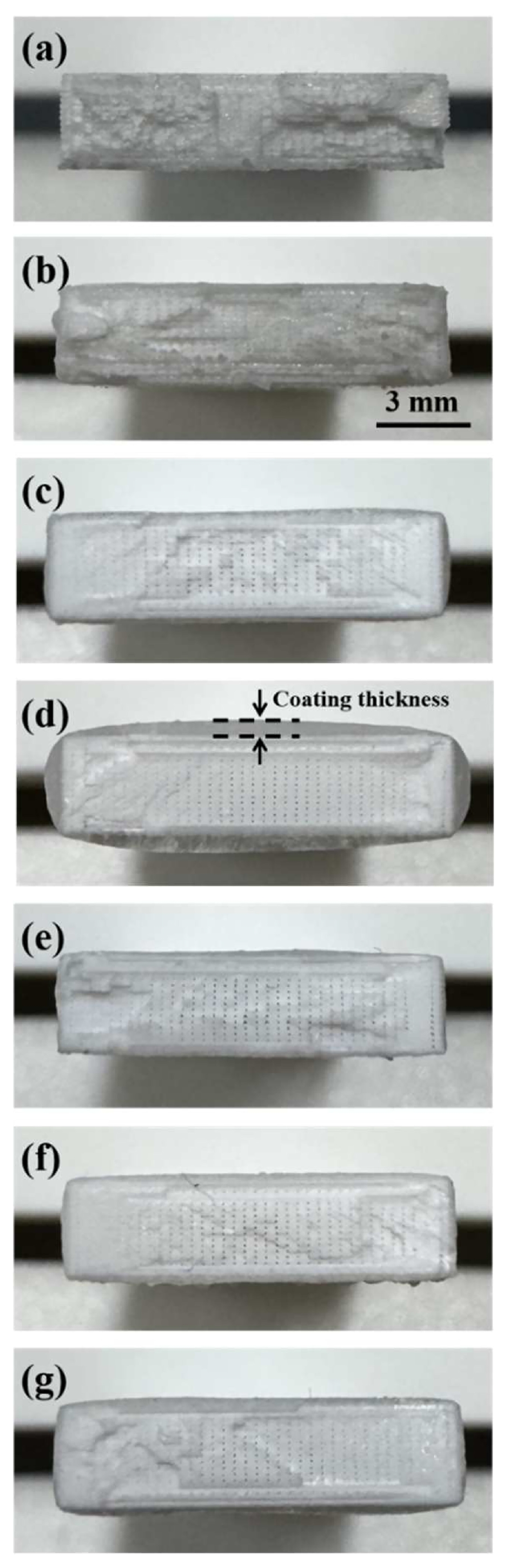
Fig. 3(b)). To provide representative cross-sectional observations after dip coating, photographs of the coated longitudinal specimens are shown in
Fig. 4. For both adhesives, the cross-sectional area increased with increasing coating repetitions regardless of the infill pattern. This trend indicates that repeated coating treatment gradually accumulated adhesive on the specimen surface, resulting in an increase in the overall specimen dimensions. In addition, similar trends were observed for both longitudinally and transversely MEXed specimens, suggesting that the influence of coating repetition on cross-sectional area was not significantly affected by the infill pattern. The largest increase in cross-sectional area was observed after six coating cycles for all conditions.
3.2 Effect of Dip Coating in Terms of Tensile Strength
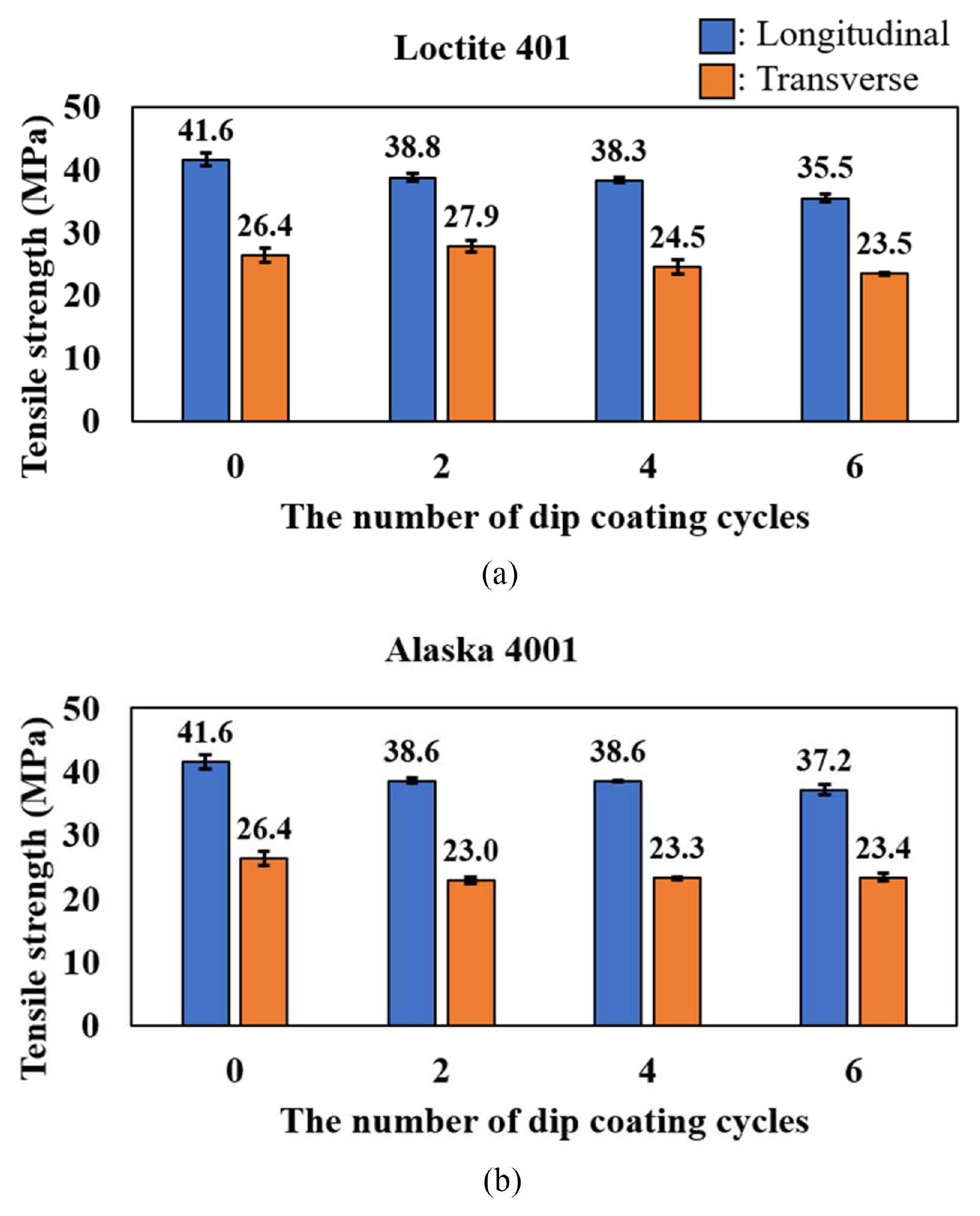
Fig. 5 shows the tensile strength of the specimens coated with Loctite 401 and Alaska 4001 according to the number of coating cycles. For the Loctite 401-coated specimens, the tensile strength of the longitudinal specimens gradually decreased from 41.6 MPa for the uncoated condition to 38.8, 38.3, and 35.5 MPa after 2, 4, and 6 coating cycles, respectively. Compared with the uncoated specimen, the tensile strength after six coating cycles decreased by approximately 14.7%. The transverse specimens exhibited tensile strengths of 26.4, 27.9, 24.5, and 23.5 MPa for the uncoated, 2-cycle, 4-cycle, and 6-cycle conditions, respectively. Although a slight increase was observed after two coating cycles, the tensile strength ultimately decreased by approximately 11.0% after six coating cycles compared with the uncoated condition. For the Alaska 4001-coated specimens, the longitudinal tensile strength decreased from 41.6 to 38.6 MPa after two coating cycles and remained at the same level after four coating cycles. After six coating cycles, the tensile strength further decreased to 37.2 MPa, corresponding to a reduction of approximately 10.6% compared with the uncoated condition. Similarly, the transverse tensile strength decreased from 26.4 to 23.0 MPa after two coating cycles and remained relatively stable at 23.3 and 23.4 MPa after four and six coating cycles, respectively. Consequently, the tensile strength after six coating cycles was approximately 11.4% lower than that of the uncoated specimen. Overall, repeated adhesive coating generally reduced the tensile strength of the specimens regardless of the adhesive type and infill pattern. After six coating cycles, the tensile strength reductions ranged from 10.6% to 14.7% for the longitudinally MEXed specimens and from 11.0% to 11.4% for the transversely MEXed specimens. These results indicate that excessive adhesive coating may have a detrimental effect on the tensile strength of MEXed structures.
3.3 Effect of Dip Coating in Terms of Elongation at Break
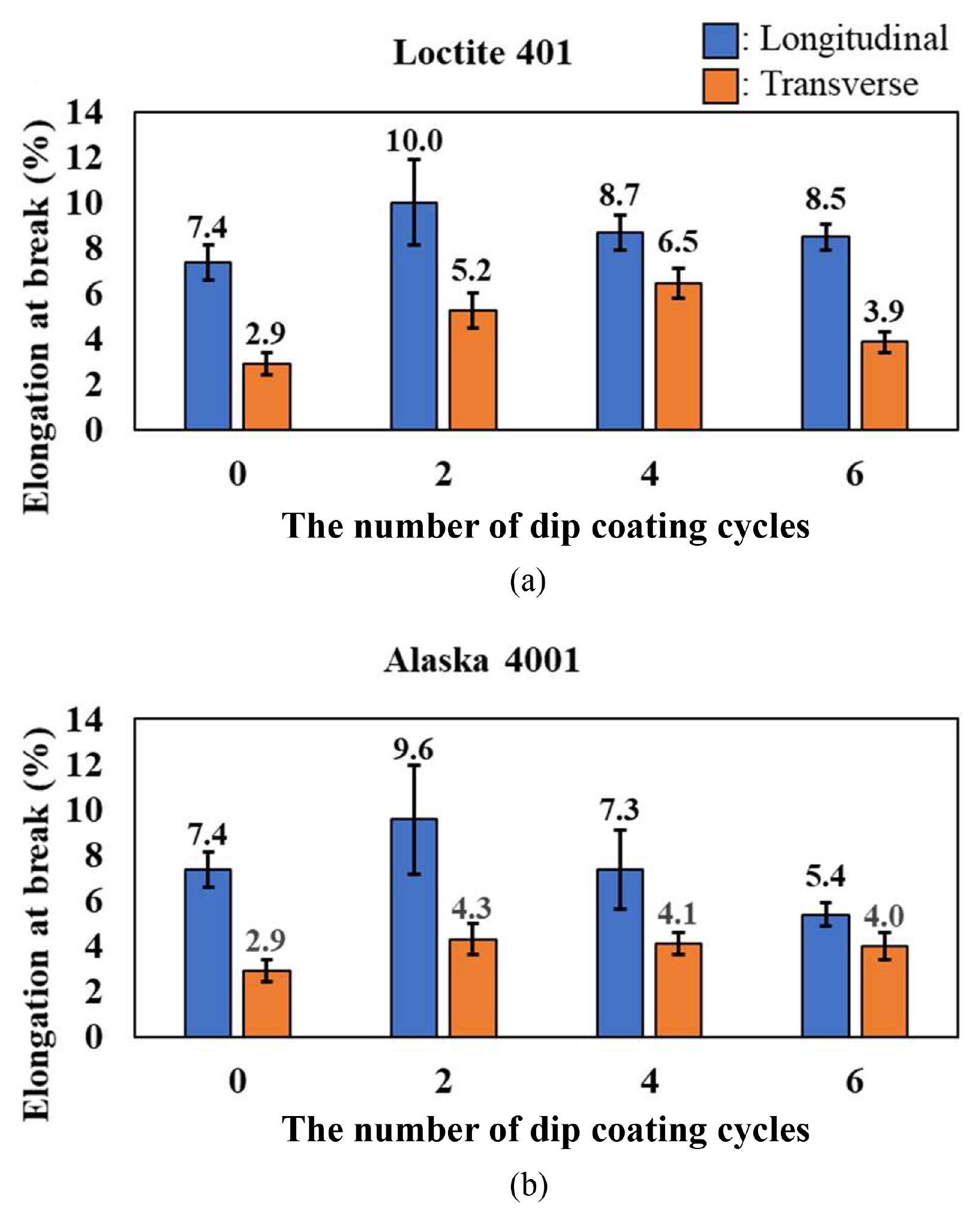
Fig. 6 shows the elongation at break of the specimens coated with Loctite 401 and Alaska 4001 according to the number of coating cycles. For the Loctite 401-coated specimens, the elongation at break of the longitudinally MEXed specimens increased from 7.4% for the uncoated condition to a maximum value of 10.0% after two coating cycles. This corresponds to an increase of approximately 35.1% compared with the uncoated specimen. Similarly, the elongation at break of the transversely MEXed specimens increased from 2.9% for the uncoated condition to a maximum value of 6.5% after four coating cycles, representing an increase of approximately 124.1%. Therefore, for Loctite 401, the longitudinally MEXed specimens exhibited the highest elongation at break after two coating cycles, whereas the transversely MEXed specimens exhibited the highest value after four coating cycles. For the Alaska 4001-coated specimens, the elongation at break of the longitudinally MEXed specimens increased from 7.4% for the uncoated condition to a maximum value of 9.6% after two coating cycles, corresponding to an increase of approximately 29.7%. In the transversely MEXed specimens, the elongation at break increased from 2.9% for the uncoated condition to a maximum value of 4.3% after two coating cycles, corresponding to an increase of approximately 48.3%. Unlike the tensile strength results, which generally decreased after repeated adhesive coating, the elongation at break increased after coating treatment. Similar improvements in deformation behavior following surface coating have also been reported for MEXed PLA. Polyurethane coating was reported to improve the strength and ductility/toughness characteristics of MEXed PLA by up to 24% [
14]. In another study, PCL dip coating increased the elongation at break of MEXed pure PLA from 7.8% to 13.0%, corresponding to an increase of approximately 66.7%, despite a decrease in tensile strength [
18]. The enhanced elongation was associated with surface smoothing by the coating, which could retard crack initiation at stress concentration sites. Thus, the increase in elongation at break after adhesive coating can be attributed to the increase in effective cross-sectional area and the partial filling of surface defects by the adhesive. These effects can delay premature failure and allow larger deformation prior to fracture. However, the elongation did not continuously increase with coating repetition. After six coating cycles, a slight reduction in elongation was observed in several conditions. This behavior is associated with the increased proportion of cured cyanoacrylate adhesives, which are inherently brittle. Excessive accumulation of the adhesive layer may therefore reduce the deformation capability of the coated specimens despite the increase in cross-sectional area.
3.4 Stress-strain Behavior and Cyanoacrylate Adhesive Penetration
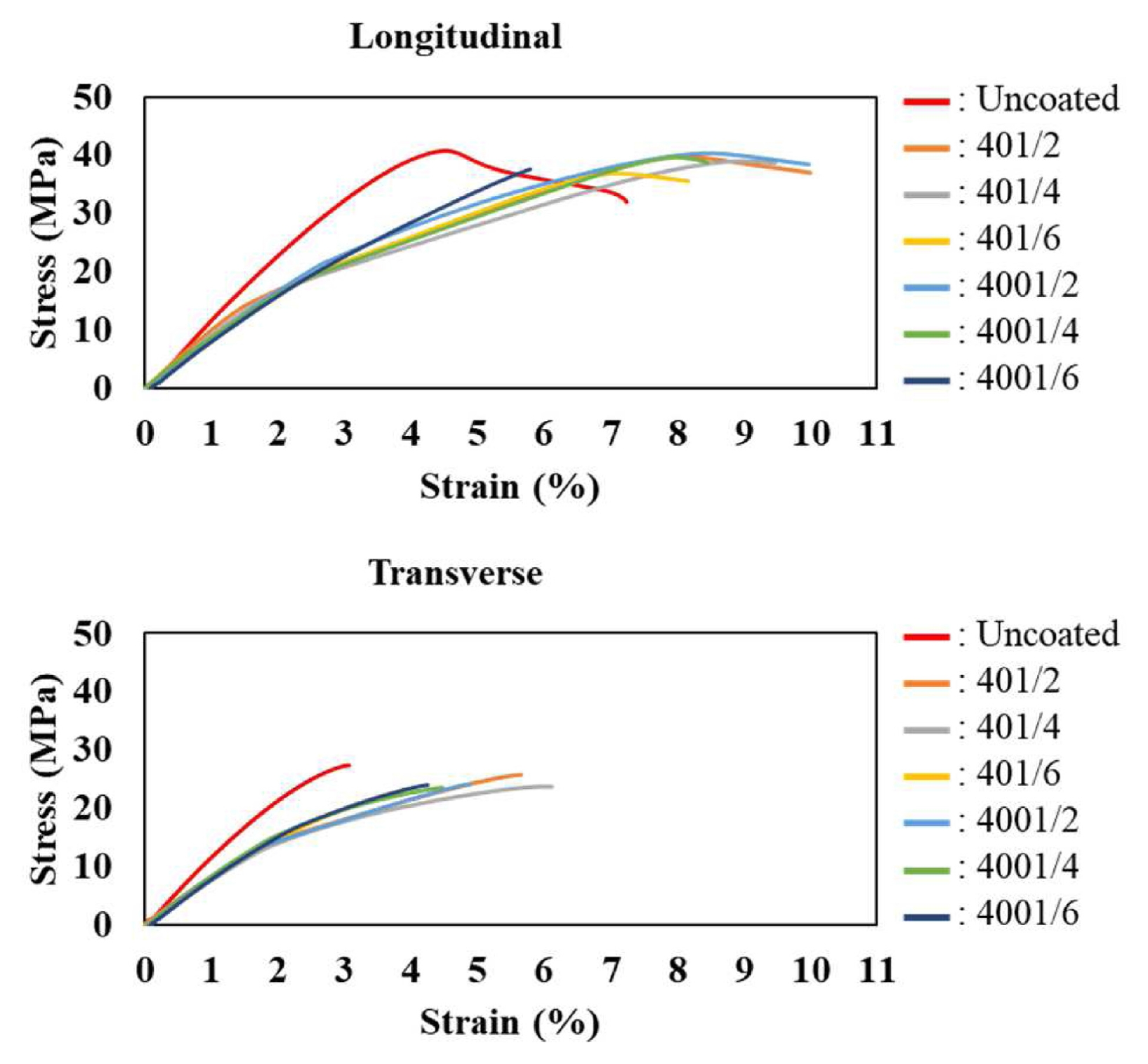
Fig. 7 shows representative stress–strain curves of the uncoated and adhesive-coated specimens in the longitudinal (
Fig. 7(a)) and transverse (
Fig. 7(b)) directions. In the legend, 401 and 4001 represent Loctite 401 and Alaska 4001, respectively, while the numbers following the slash indicate the number of dip coating cycles. In both directions, the adhesive-coated specimens generally exhibited a lower initial slope than the uncoated specimens, suggesting a reduction in the apparent stiffness after the coating treatment. In addition, the coated specimens generally exhibited lower maximum stress while sustaining deformation over a larger strain range before fracture. These observations are consistent with the tensile test results presented in Sections 3.2 and 3.3, where adhesive coating generally decreased the tensile strength while increasing the elongation at break. The reduction in the initial slope may be partly associated with the increase in the measured cross-sectional area caused by the accumulation of the cured adhesive layer. As demonstrated in
Fig. 3, the cross-sectional area progressively increased with repeated coating cycles due to adhesive accumulation on the specimen surface. Because the stress was calculated based on the overall cross-sectional area of the coated specimen, an increase in cross-sectional area without a proportional increase in load-bearing capacity could result in a lower calculated stress and, consequently, a lower apparent slope of the stress–strain curve. Therefore, the observed decrease in the initial slope does not necessarily indicate a reduction in the intrinsic elastic modulus of the PLA itself but rather reflects the mechanical response of the coated PLA-adhesive system. In particular, the longitudinal specimens exhibited a distinct change in their stress–strain behavior after adhesive coating. The uncoated specimen showed a relatively pronounced maximum stress followed by a stress drop, whereas the coated specimens exhibited lower maximum stress and extended deformation before fracture. This indicates that the adhesive coating altered the deformation and failure behavior of the MEXed PLA specimens. Rather than directly reinforcing the load-bearing PLA structure, the coating treatment appears to modify the overall deformation behavior of the specimens, resulting in a trade-off between tensile strength and elongation at break.
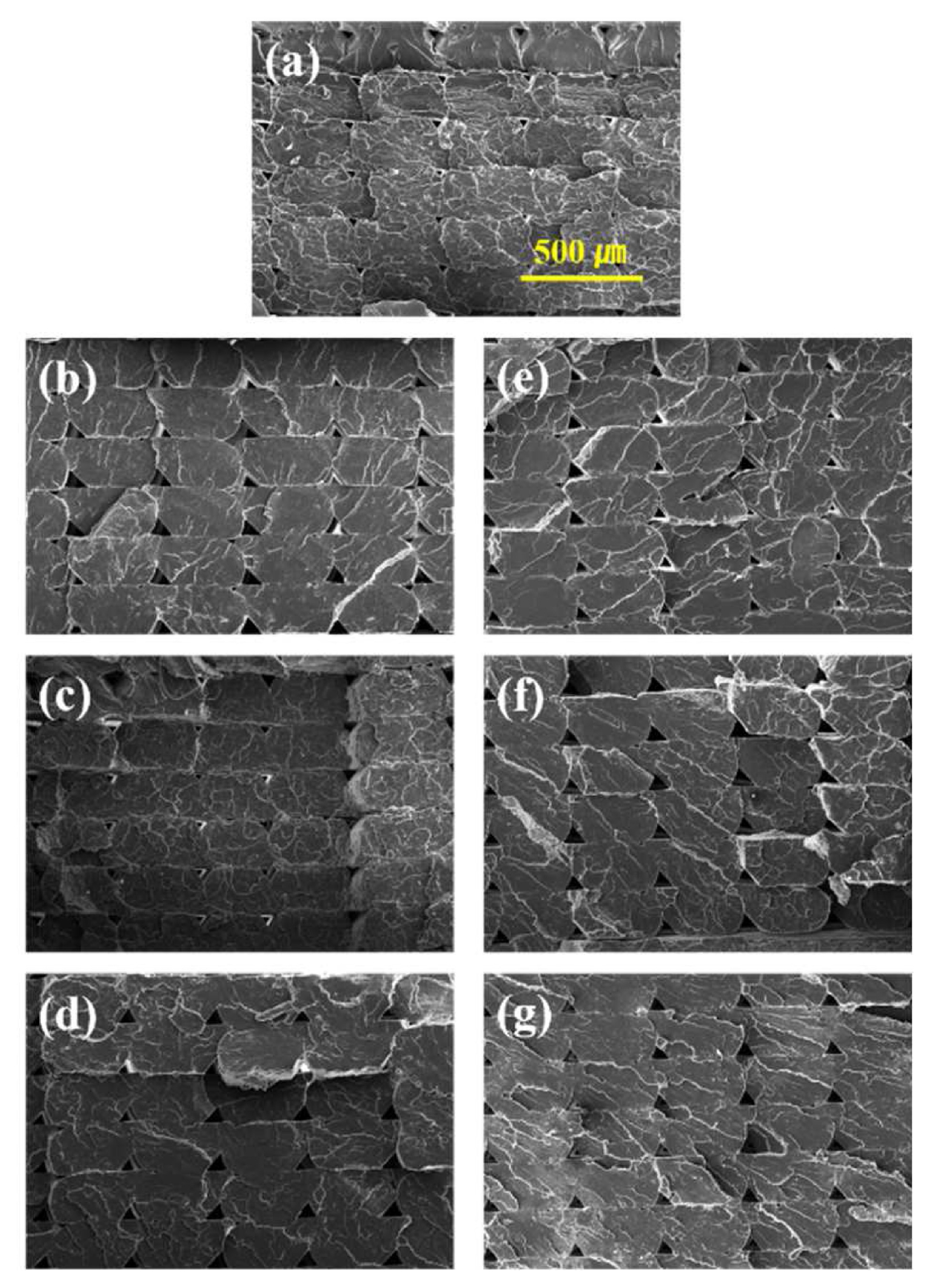
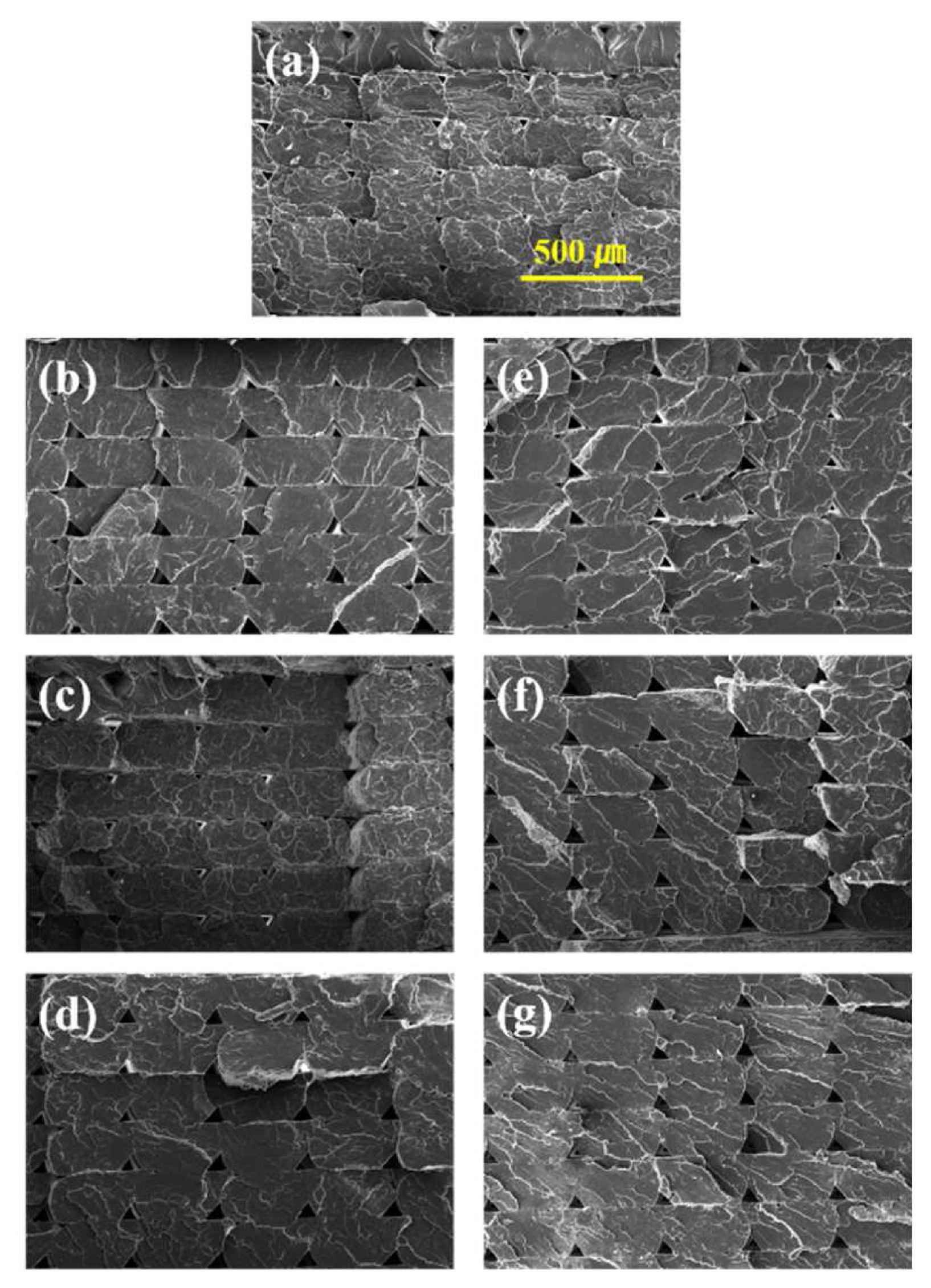
To further clarify the role of the cyanoacrylate adhesive, cross-sectional SEM observations were conducted, as shown in
Fig. 8. No noticeable penetration of the cyanoacrylate adhesive into the internal inter-bead gaps or voids was observed. Therefore, the cyanoacrylate adhesive made only a limited contribution to reinforcing the internal bead interfaces. Combined with the increase in cross-sectional area shown in
Figs. 3 and
4, these observations indicate that the adhesive treatment primarily formed and accumulated as a surface coating rather than penetrating deeply into the internal structure of the MEXed specimens. Consequently, the coating treatment influenced the overall stress-strain response mainly through the formation of an external adhesive layer, rather than through substantial reinforcement of the internal bead-to-bead interfaces.
4. Conclusion
In this study, the influence of cyanoacrylate adhesive dip coating on the mechanical properties of material extrusion-fabricated PLA structures was investigated using two commercially available adhesives, Loctite 401 and Alaska 4001. Based on the experimental results, the following conclusions can be drawn:
The cross-sectional area of the specimens increased with increasing dip coating repetitions regardless of the adhesive type and deposition orientation. The largest cross-sectional area was observed after six coating cycles due to the accumulation of cured adhesive on the specimen surface.
Repeated dip coating generally reduced the tensile strength of the specimens. After six coating cycles, the tensile strength decreased by 10.6–14.7% for the longitudinally fabricated specimens and by 11.0–11.4% for the transversely fabricated specimens compared with the uncoated condition.
In contrast to the tensile strength results, the elongation at break generally increased after the coating treatment. For the Loctite 401-coated specimens, the highest elongation at break was obtained after two coating cycles for the longitudinal specimens and after four coating cycles for the transverse specimens, corresponding to increases of approximately 35.1% and 124.1%, respectively. For the Alaska 4001-coated specimens, the highest elongation at break was obtained after two coating cycles for both the longitudinal and transverse specimens, corresponding to increases of approximately 29.7% and 48.3%, respectively.
The increase in elongation at break is attributed to the increase in effective cross-sectional area and the partial filling of surface defects by the adhesive. However, excessive coating did not continuously improve elongation because the increased proportion of brittle cured adhesive limited the deformation capability of the specimens.
Although improving inter-bead bonding is important for suppressing leakage in MEXed structures, cross-sectional SEM observations revealed no noticeable penetration of the cyanoacrylate adhesive into the internal inter-bead gaps. Therefore, the coating treatment did not substantially reinforce the internal bead-to-bead interfaces, which is consistent with the absence of improvement in tensile strength. Instead, the adhesive mainly accumulated on the specimen surface and partially filled surface-connected defects, thereby modifying the deformation behavior and increasing the elongation at break.
These findings demonstrate that cyanoacrylate adhesive dip coating significantly affects the mechanical behavior of MEXed PLA structures. While excessive coating may reduce tensile strength, an appropriate coating condition can effectively improve the deformation capability of the MEXed structures. Future work will investigate a vacuum-assisted coating process to enhance adhesive penetration into the internal structure. By removing trapped air from the inter-bead gaps and voids prior to adhesive infiltration, deeper penetration of the adhesive is expected, and its effects on internal defect filling and mechanical properties will be systematically evaluated.
Fig. 1Representative leakage-related defects observed in MEXed parts and their associated liquid leakage behavior
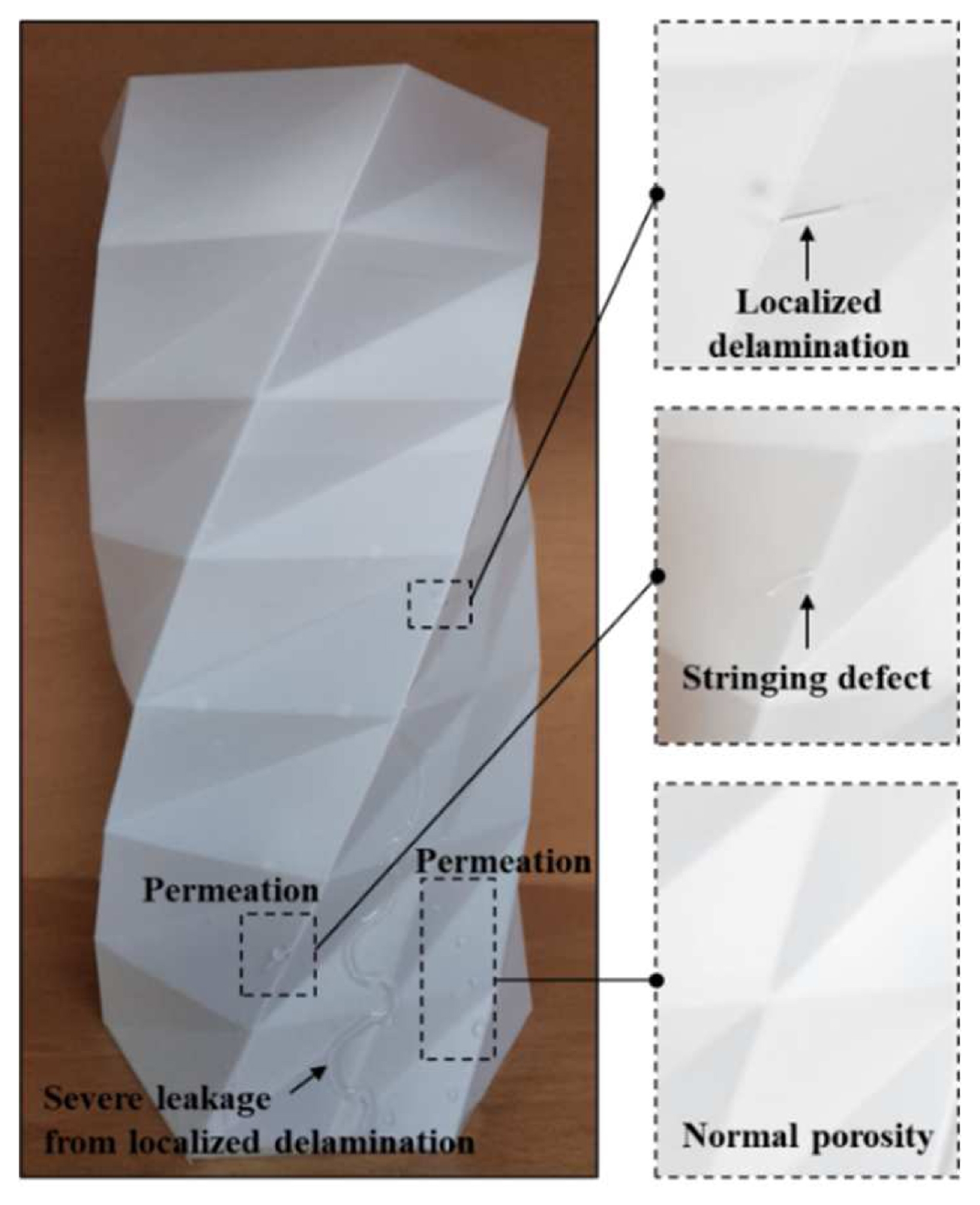
Fig. 2Dip coating and drying procedures for MEXed tensile specimens using cyanoacrylate adhesive
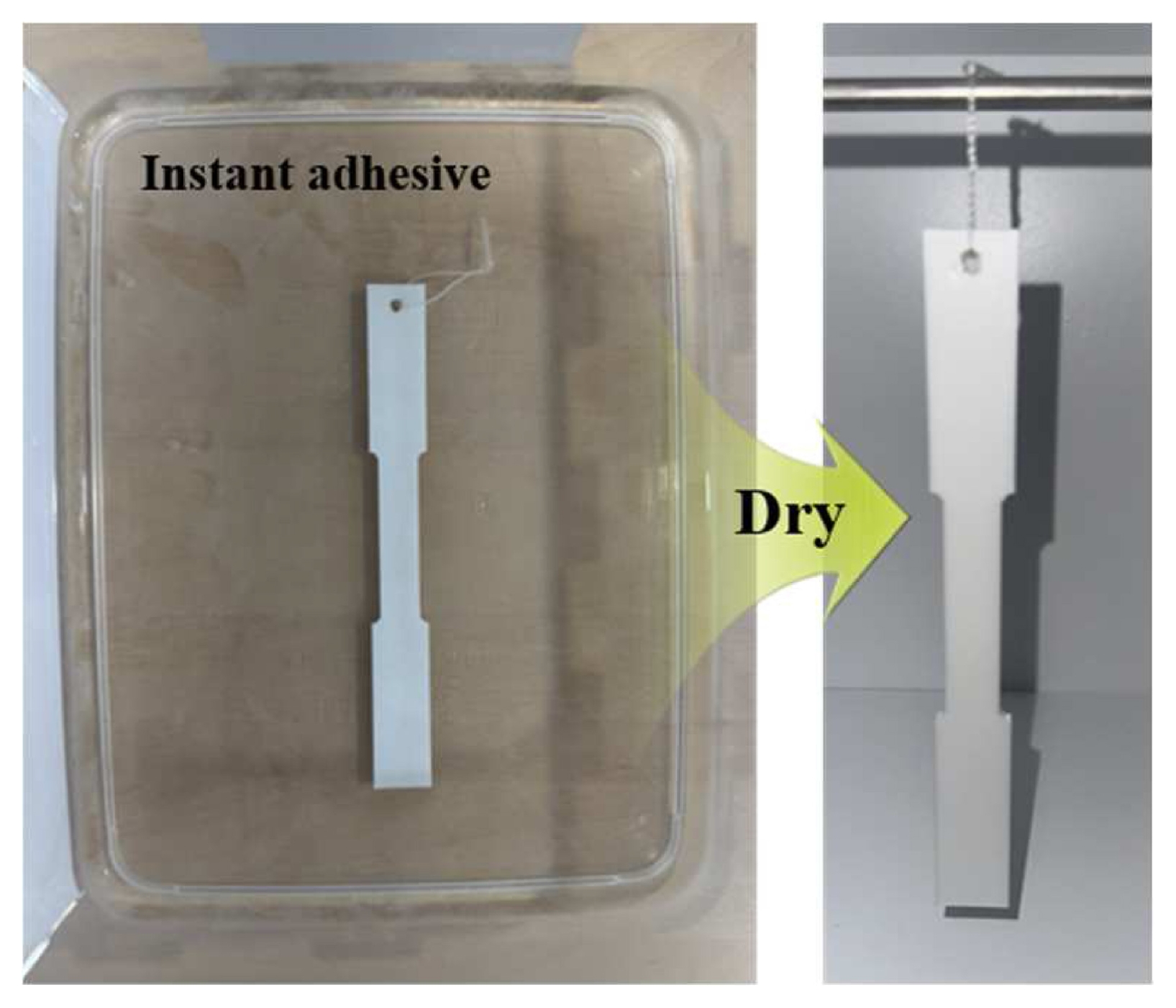
Fig. 3Change in cross-sectional area according to the number of dip coating cycles for longitudinally and transversely MEXed specimens coated with (a) Loctite 401 and (b) Alaska 4001
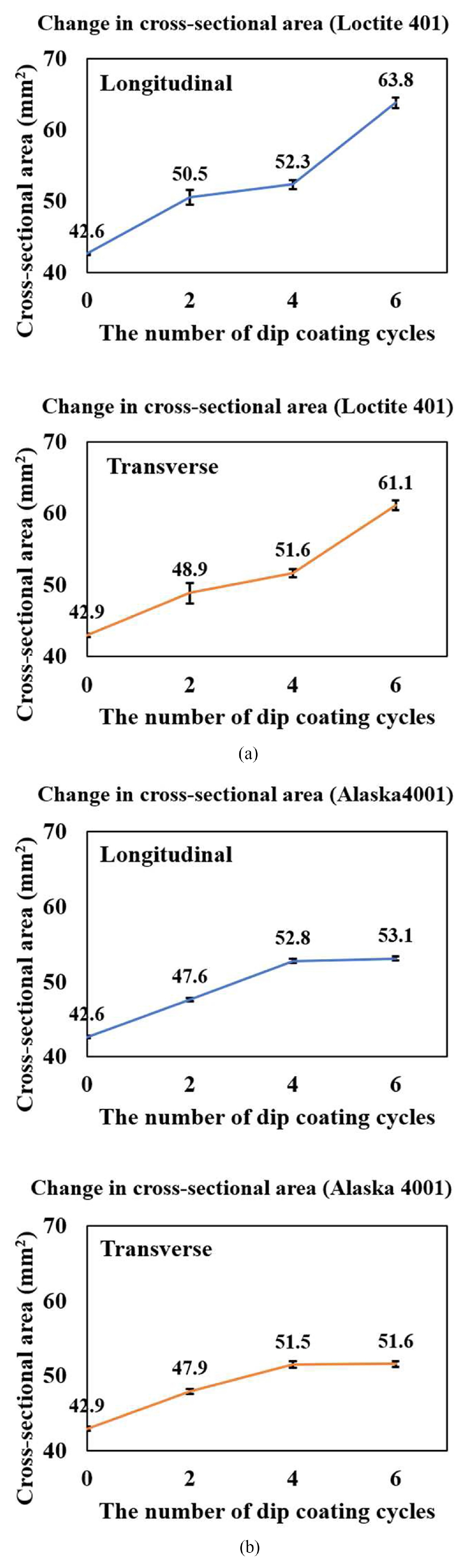
Fig. 4Photographs for cross-section of the dip coated longitudinal specimens: (a) Uncoated, (b) Loctite 401 with 2 dip coatings, (c) Loctite 401 with 4 dip coatings, (d) Loctite 401 with 6 dip coatings, (e) Alaska 4001 with 2 dip coatings, (f) Alaska 4001 with 4 dip coatings, and (g) Alaska 4001 with 6 dip coatings
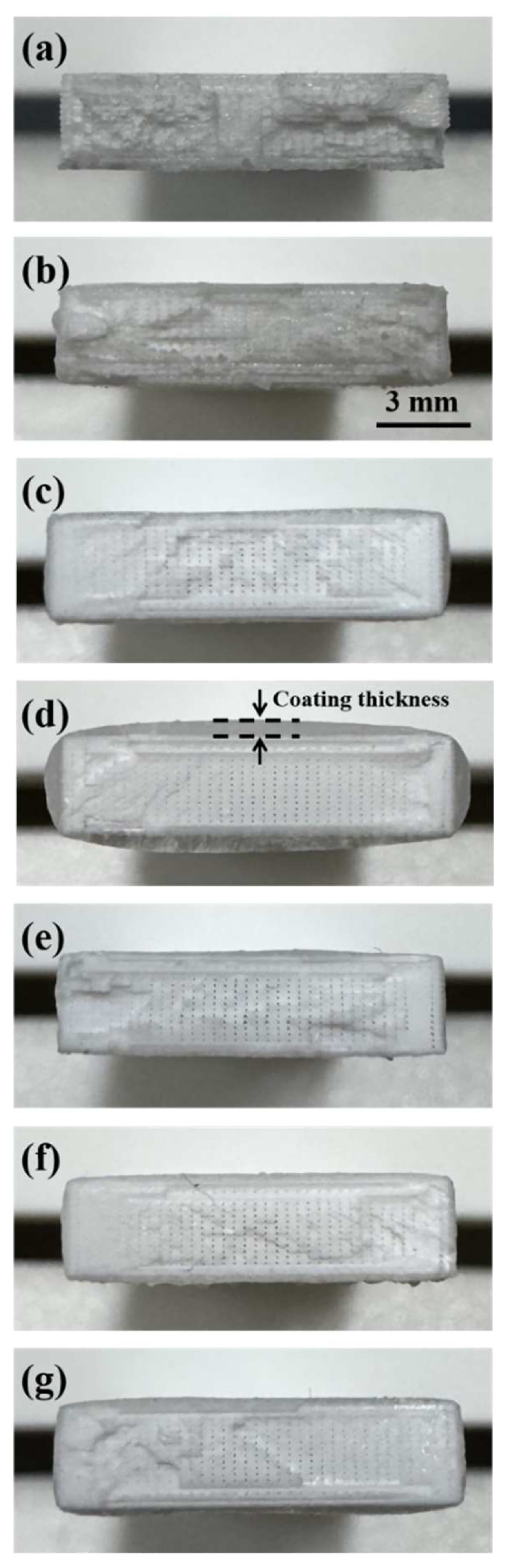
Fig. 5Tensile strength of longitudinally and transversely MEXed specimens coated with (a) Loctite 401 and (b) Alaska 4001 according to the number of coating cycles
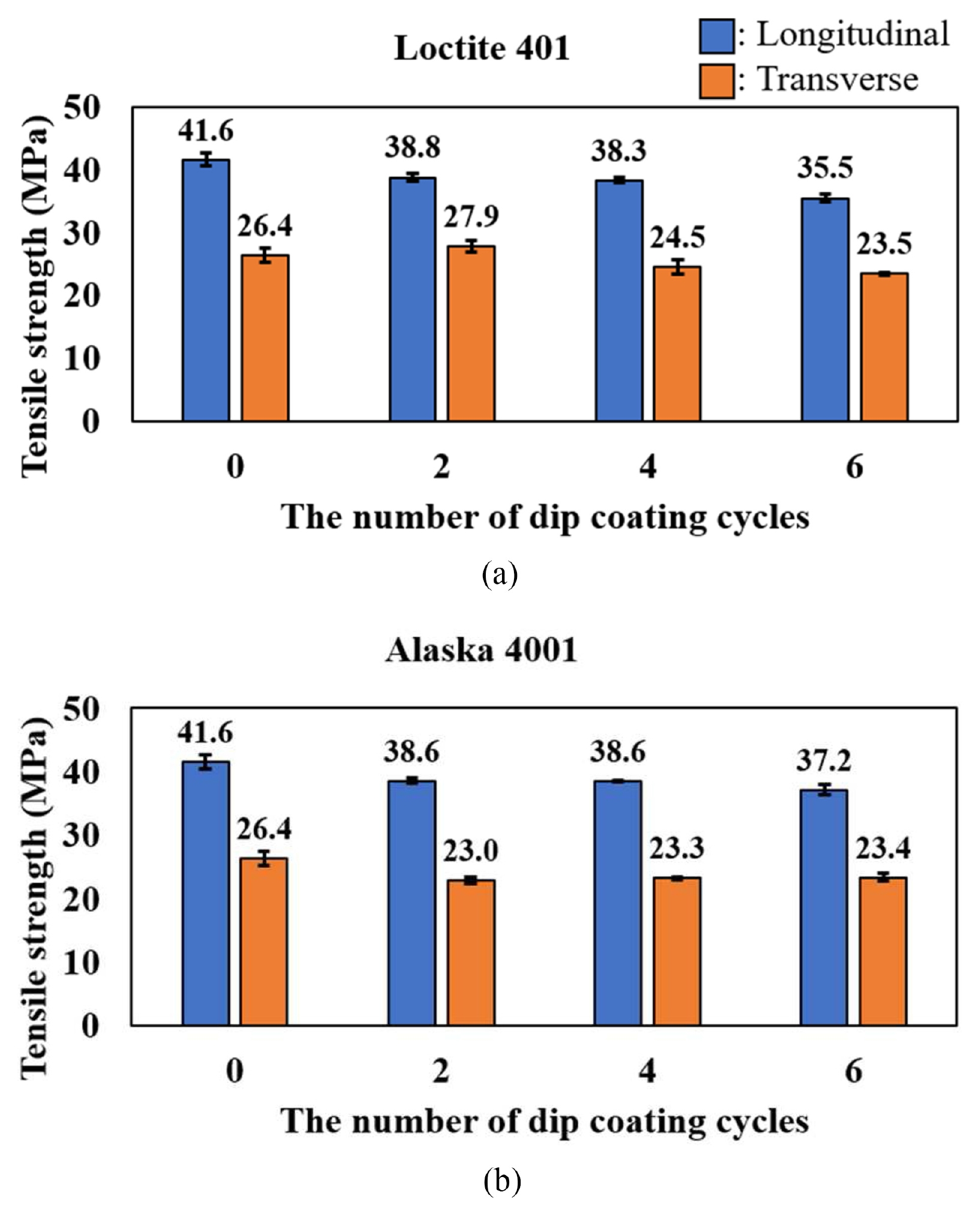
Fig. 6Elongation at break of longitudinally and transversely MEXed specimens coated with (a) Loctite 401 and (b) Alaska 4001 according to the number of coating cycles
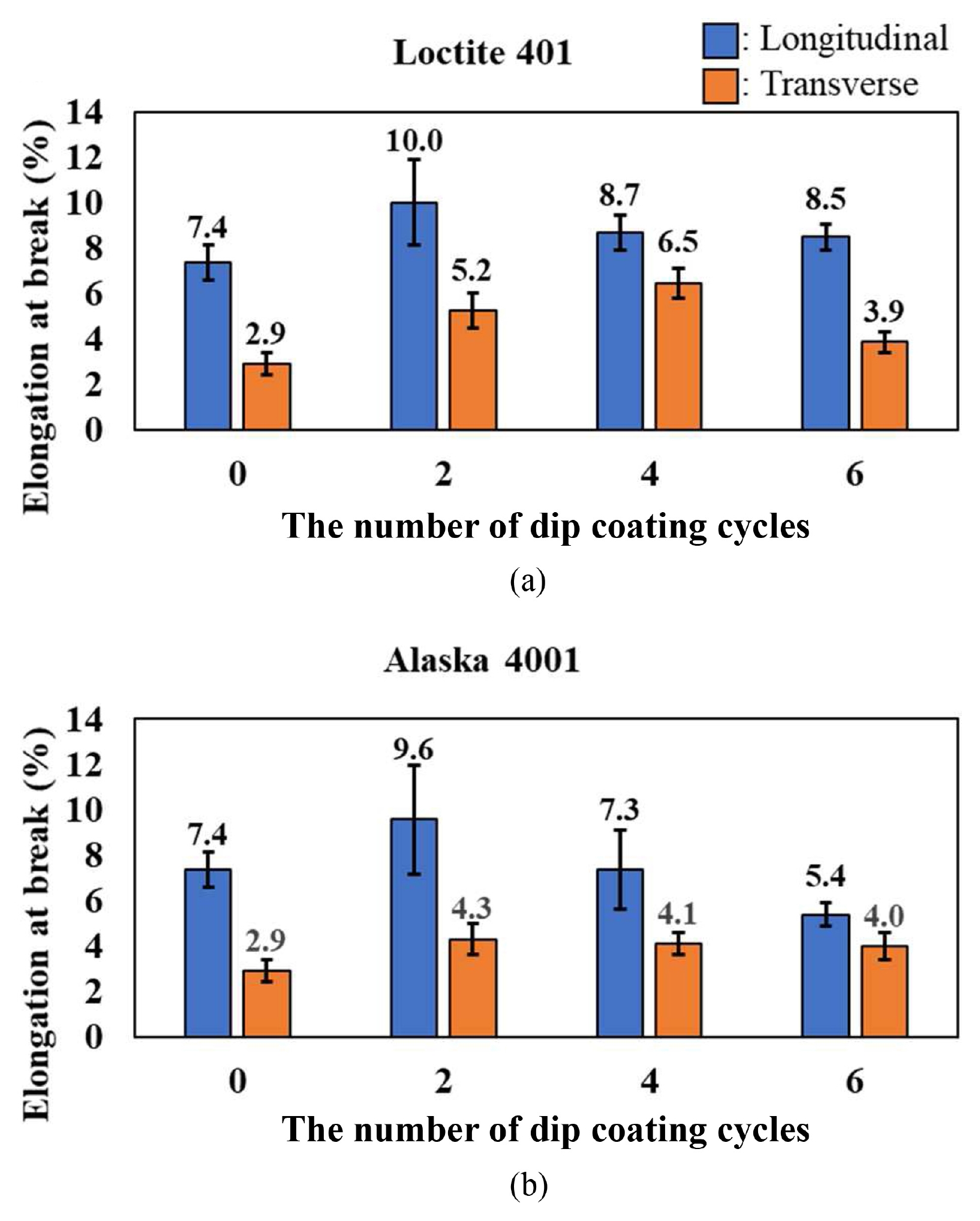
Fig. 7Stress–strain curves of uncoated and cyanoacrylate adhesive-coated MEXed PLA specimens according to the number of coating cycles: (a) Longitudinal and (b) Transverse specimens
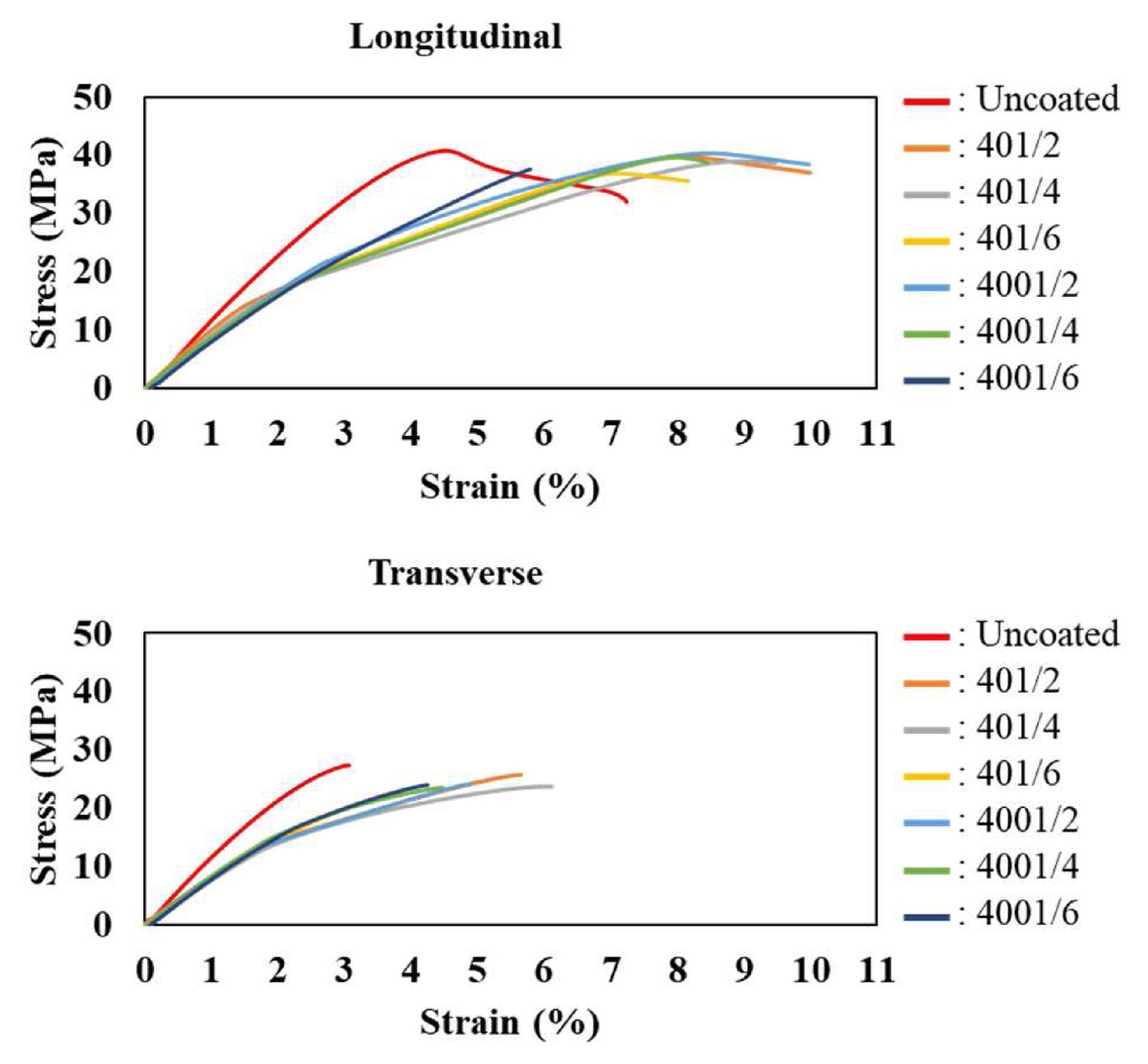
Fig. 8SEM images of the cross-sections for verification of cyanoacrylate adhesive penetration: (a) Uncoated, (b) Loctite 401 with 2 dip coatings, (c) Loctite 401 with 4 dip coatings, (d) Loctite 401 with 6 dip coatings, (e) Alaska 4001 with 2 dip coatings, (f) Alaska 4001 with 4 dip coatings, and (g) Alaska 4001 with 6 dip coatings
REFERENCES
- 1. Srivastava, M., Rathee, S., (2022), Additive manufacturing: Recent trends, applications and future outlooks, Progress in Additive Manufacturing, 7(2), 261-287.
- 2. Bahnini, I., Rivette, M., Rechia, A., Siadat, A., Elmesbahi, A., (2018), Additive manufacturing technology: The status, applications, and prospects, The International Journal of Advanced Manufacturing Technology, 97(1), 147-161.
- 3. Rajeshirke, M., Fidan, I., Naikwadi, V., Alkunte, S., Gupta, A., Mohammadizadeh, M., (2025), Material extrusion–based multimaterial 3D printing: A holistic review of recent advances, The International Journal of Advanced Manufacturing Technology, 139(1), 149-174.
- 4. Patel, A., Taufik, M., (2024), Extrusion-based technology in additive manufacturing: A comprehensive review, Arabian Journal for Science and Engineering, 49(2), 1309-1342.
- 5. Jasik, K., Śnieżek, L., Kluczyński, J., (2025), Additive manufacturing of metals using the MEX method: Process characteristics and performance properties—A review, Materials, 18(12), 2744.
- 6. Kotz, F., Mader, M., Dellen, N., Risch, P., Kick, A., Helmer, D., Rapp, B. E., (2020), Fused deposition modeling of microfluidic chips in polymethylmethacrylate, Micromachines, 11(9), 873.
- 7. Park, S. J., Lee, J. E., Son, Y., Park, S.-H., (2022), A study on material extrusion additive manufacturing of transparent thermoplastic polymer for microfluidic chip fabrication, Journal of the Korean Society of Manufacturing Process Engineers, 21(10), 106-112.
- 8. Sundaram, J., Rajkumar, C., Salunkhe, S., Praveen, A., Muniamuthu, S., Ganesan, S., (2023), Fabrication and mechanical characterization of venturi duct using fused deposition modelling through finite element approach, Materials Today: Proceedings, (In Press).
- 9. Park, S. J., Park, S. J., Son, Y., Ahn, I. H., (2022), Influence of warm isostatic press (WIP) process parameters on mechanical properties of additively manufactured acrylonitrile butadiene styrene (ABS) parts, The International Journal of Advanced Manufacturing Technology, 122(7), 3311-3322.
- 10. Gordeev, E. G., Galushko, A. S., Ananikov, V. P., (2018), Improvement of quality of 3D printed objects by elimination of microscopic structural defects in fused deposition modeling, PloS One, 13(6), e0198370.
- 11. Leeder, R., Rankin, K. E., Nightingale, A. M., (2025), Microscale Computed Tomography (μCT) Imaging of Leak Pathways for Optimized Leak-Free 3D Printed Fluidics, A CS Applied Polymer Materials, 7(21), 14130-14137.
- 12. Szczęch, M., Sikora, W., (2024), The influence of printing parameters on leakage and strength of fused deposition modelling 3D printed parts, Advances in Science and Technology, Research Journal, 18(1), 195-201.
- 13. Park, S. J., Park, S. J., Son, Y., Ahn, I. H., (2022), Reducing anisotropy of a part fabricated by material extrusion via warm isostatic pressure (WIP) process, Additive Manufacturing, 55, 102841.
- 14. Vicente, C., Fernandes, J., Deus, A., Vaz, M., Leite, M., Reis, L., (2019), Effect of protective coatings on the water absorption and mechanical properties of 3D printed PLA, Fracture and Structural Integrity, 13(48), 748-756.
- 15. Zhu, J., Chen, J. L., Lade, R. K. Jr, Suszynski, W. J., Francis, L. F., (2015), Water-based coatings for 3D printed parts, Journal of Coatings Technology and Research, 12(5), 889-897.
- 16. Ahn, S. H., Montero, M., Odell, D., Roundy, S., Wright, P. K., (2002), Anisotropic material properties of fused deposition modeling abs, Rapid Prototyping Journal, 8(4), 248-257.
- 17. Chen, R., Hsu, S., Chang, H., Chen, M., (2021), Challenge tooth regeneration in adult dogs with dental pulp stem cells on 3D-printed hydroxyapatite/polylactic acid scaffolds, Cells, 10(12), 3277.
- 18. Kiani, P., Sedighi, M., Kasaeian-Naeini, M., Mostahsan, A. J., (2023), Effect of dip-coating on tensile and high cycle fatigue behavior of 3D printed bio-polymer blends, Proceedings of the 30th National and 8th International Iranian Conference on Biomedical Engineering, 232-236.
Biography
- Seongjun Kim
Undergraduate student in the School of Mechanical Engineering at Gyeongsang National University. His research interests include additive manufacturing.
- Seungli Bae
Undergraduate student in the School of Mechanical Engineering at Gyeongsang National University. His research interests include additive manufacturing.
- Seong Je Park
Assistant professor in the School of Mechanical Engineering at Gyeongsang National University. His research interests include polymer and metal additive manufacturing.