ABSTRACT
Hair-like surfaces in nature consist of high-aspect-ratio fibers with diameters below 100μm, falling to several tens of micrometers in softer hairs. These fine fiber arrays govern tactile softness, flexibility, surface texture, and mechanical response. Conventional fiber-spinning methods produce fine fibers effectively but offer limited control over the position, direction, and patterned arrangement of individual fibers. Here we propose a fused deposition modeling (FDM)-based strategy that combines melt extrusion with geometric drawing to fabricate PLA hair-like fibers. PLA melted fully at the processing temperature of 250oC, well below the thermal degradation onset near 330oC. DSC analysis showed that faster cooling suppressed thermodynamic crystallization, indicating that the final fiber structure is governed by drawing history and rapid cooling rather than by increased crystallinity. As the printing speed increased, the fiber diameter decreased nonlinearly, following D ≈ 106.3 v-0.45, in excellent agreement with the D ∝ v-0.5 scaling predicted by the continuity equation. Tensile strength and modulus increased with printing speed, whereas elongation and toughness decreased, indicating drawing-induced molecular orientation. These results demonstrate that FDM can serve as a programmable platform for fabricating biomimetic hair-like fiber arrays with predictable diameter and mechanical properties.
-
KEYWORDS: Additive manufacturing, Fused deposition modeling, Fiber spinning, Micro-fiber, Hair tile
-
KEYWORDS: 적층 제조, 융합 적층 모델링, 섬유 방사, 마이크로 섬유, 헤어타일
1. 서론
자연계의 표면은 단순히 물질의 외곽을 이루는 경계면이 아니라, 외부 환경과의 상호작용을 정교하게 조절하는 기능성 구조체로 작용한다[
1]. 특히 포유류의 털, 인간의 모발, 식물 표면의 미세 돌기 및 다양한 섬유성 생체 구조는 수십에서 수백 마이크로미터 수준의 세장한 일차원 구조가 표면 위에 집합적으로 배열된 대표적인 예이다[
2]. 이러한 Hair-like Structure는 보온, 보호, 촉감, 마찰, 젖음성, 유체 흐름 및 시각적 질감과 같은 다양한 기능에 관여하며, 그 성능은 개별 섬유의 재료 자체뿐만 아니라 직경, 길이, 종횡비, 곡률, 밀도 및 배열 상태에 의해 크게 좌우된다. 따라서 자연계 Hair 구조의 공학적 모사는 단순히 얇은 섬유를 만드는 문제가 아니라, 미세 섬유의 치수와 공간적 배열을 동시에 제어하는 제조 문제로 이해될 필요가 있다.
실제 포유류의 털과 인간 모발은 대체로 100 μm 이하의 직경을 가지며, 부드러운 촉감을 나타내는 털 구조일수록 수십 마이크로미터 수준까지 직경이 감소하는 경향을 보인다[
3]. 예를 들어 부드러운 촉감으로 알려진 토끼털은 약 40 μm 수준의 미세 직경을 갖는 것으로 알려져 있으며, 이러한 작은 직경은 낮은 굽힘 강성과 높은 유연성을 구현하는 데 핵심적인 역할을 한다. 원형 단면 섬유의 굽힘 강성이 직경의 네제곱에 비례한다는 점을 고려하면, Hair-like Structure에서 직경 제어는 단순한 형상 축소가 아니라 촉감, 유연성 및 표면 기계적 응답을 결정하는 본질적 설계 인자이다[
4]. 따라서 인공 Hair 구조를 제조하기 위해서는 100 μm 이하, 나아가 수십 마이크로미터 수준의 단일 섬유 직경을 재현할 수 있어야 한다.
기존의 섬유방사 기술은 미세 직경의 연속 섬유를 제조하는 데 매우 효과적인 방법으로 활용되어 왔다. 용융방사, 용액방사, 전기방사 등은 고분자 섬유의 직경을 마이크로미터 또는 나노미터 영역까지 낮출 수 있으며, 섬유 재료의 대량 생산 측면에서도 높은 장점을 가진다[
5]. 그러나 자연계 Hair 구조와 유사한 표면을 제조하기 위해서는 단순히 섬유를 많이 생산하는 것만으로는 충분하지 않다. 포유류 털과 같은 Hair-like Surface는 개별 섬유가 표면 위의 특정 위치에서 시작되고, 일정한 방향성과 간격을 가지며, 전체적으로 배열 구조를 형성한다. 일반적인 섬유방사 공정은 섬유 직경과 생산량 제어에는 유리하지만, 개별 섬유의 위치, 시작점과 종점, 국부 밀도 및 패턴 형상을 디지털 방식으로 제어하는 데에는 제한적이다[
6]. 이러한 한계는 Hairlike Structure를 기능성 표면 또는 설계 가능한 Array 구조로 구현하는 데 중요한 장벽으로 작용한다.
3D Printing 기술은 이러한 문제를 해결할 수 있는 유망한 제조 플랫폼으로 주목받고 있다. 특히 FDM 방식은 열가소성 고분자 필라멘트를 노즐에서 용융·압출하고, 디지털 경로에 따라 재료를 원하는 위치에 배치할 수 있다는 점에서 구조 설계 자유도가 높다[
7]. 기존 FDM 공정은 주로 수백 마이크로미터 이상의 압출 비드를 적층하여 거시적 3차원 구조물을 제조하는 데 사용되어 왔으나, 노즐에서 토출된 용융 고분자를 단순히 적층하지 않고 프린팅 방향으로 연속적으로 연신할 경우, 노즐 직경보다 훨씬 작은 Hair-like Fiber를 형성할 가능성이 있다[
8]. 이러한 접근은 FDM을 단순 적층 공정이 아니라, 압출과 연신이 결합된 미세 섬유 형성 공정으로 확장한다는 점에서 중요한 의미를 갖는다.
그러나 FDM 기반 Hair-like Fiber 제조가 정밀하고 재현 가능한 공정으로 활용되기 위해서는 몇 가지 핵심적인 과학적 문제가 규명되어야 한다. 첫째, 노즐에서 용융된 고분자가 프린팅 속도에 의해 연신될 때 단일 섬유의 직경이 어떤 물리 법칙에 의해 결정되는지 이해해야 한다. 일반적인 FDM 해상도는 노즐 직경에 의해 제한되는 것으로 간주되지만, 연신이 개입되는 경우 섬유 직경은 압출 유량과 프린팅 속도의 상대적 관계에 의해 달라질 수 있다[
9]. 둘째, 용융 고분자가 노즐 외부에서 급속 냉각될 때 결정화, 유리전이 및 분자 배향이 최종 구조 형성에 어떤 역할을 하는지 규명할 필요가 있다[
10]. 셋째, 프린팅 속도에 따른 직경 감소와 분자 배향 변화가 PLA Hair의 인장강도, 탄성률, 연신율 및 Toughness와 같은 기계적 특성에 어떻게 반영되는지 체계적으로 분석해야 한다. 이러한 공정–구조–물성 상관관계가 확보되어야만 FDM 기반 Hair 제조 공정을 단순한 형상 구현 기술이 아니라 예측 가능한 설계 공정으로 발전시킬 수 있다.
본 연구에서 ‘Hair Tile’은 다수의 Hair-like Fiber를 표면 위에 일정한 간격과 방향으로 규칙적으로 배열하여, 타일과 같이 단위 면적 단위로 조립·확장할 수 있는 인공 Hair-like Surface를 의미한다. 이러한 Hair Tile의 촉감 및 기능성은 개별 섬유의 직경 뿐만 아니라 섬유 간 배열 간격[
11], 단위 면적당 섬유 밀도[
12], 그리고 굽힘 유연성[
13]에 의해 종합적으로 결정된다. 특히 섬유 직경은 앞서 언급한 굽힘 강성의 강한 직경 의존성으로 인해 Hair Tile의 부드러운 촉감과 유연한 표면 응답을 좌우하는 가장 1차적인 설계 인자이다. 본 연구가 단일 섬유의 직경 제어에 우선 주목한 이유도 여기에 있으며, 직경 제어가 확보된 이후 배열 간격과 밀도를 함께 조절함으로써 다양한 촉감과 기능을 갖는 Hair Tile 표면으로 확장할 수 있다.
본 연구에서는 상용 FDM 장비와 PLA 필라멘트를 이용하여 포유류 털 구조를 모사한 PLA Hair 제조 공정을 제안하고, 프린팅 속도와 열 이력이 Hair 구조 형성 및 기계적 특성에 미치는 영향을 분석하였다. 먼저 자연 및 인공 Hair-like Structure의 기하학적 특징을 관찰하여 본 연구가 지향하는 미세 직경 및 Hair Tile형 구조의 필요성을 제시하였다. 이후 PLA 필라멘트의 TGA 및 DSC 분석을 통해 공정온도 250oC에서의 열적 안정성과 냉각 속도 의존적 결정화 거동을 평가하였다. 또한 프린팅 속도 변화에 따른 PLA Hair 직경을 정량화하고, 연속 방정식에 기반한 거듭제곱 함수 모델을 통해 직경 제어 메커니즘을 해석하였다. 마지막으로 속도별 PLA Hair의 인장 특성을 분석하여, 고속 프린팅 조건에서 나타나는 기계적 강화가 결정화도 증가보다는 연신 유도 배향에 기인함을 논의하였다.
이를 통해 본 연구는 FDM 공정에서 프린팅 속도 제어만으로 100 μm 이하의 PLA Hair 직경을 예측 가능하게 조절할 수 있음을 보이고자 한다. 또한 FDM 기반 압출–연신 공정이 미세 섬유의 직경 제어와 위치 제어 기반 배열 가능성을 동시에 제공함으로써, 생체모사형 Hair Tile 및 기능성 섬유성 표면 제조를 위한 유효한 공정 플랫폼으로 확장될 수 있음을 제시하고자 한다.
2. 실험방법
2.1 Materials
본 연구의 Hair 구조 제조를 위한 원소재로는 고속 프린팅용으로 설계된 PLA 필라멘트(White, PLA Basic, Bambu Lab, China)를 사용하였다. 본 필라멘트는 공칭 직경 1.75 mm의 ABS 보빈 권취형 제품이며, 밀도 1.24 g/cm3 (ISO 1183 기준), 융점(Tm) 160oC, 유리전이온도(Tg) 60oC (DSC, 10oC/min 기준)의 열적 특성을 가진다(제조사 제공). 본 연구에서는 포장 개봉 직후 전처리를 별도로 수행하지 않고 그대로 사용하여 가공 이력에 의한 변수를 최소화하였다. 실험에 사용된 강아지의 털은 포메라니안(11세, 크림)으로부터 얻었으며, 고양이의 털은 페르시안(10세, 샬레)와 코리안숏헤어(7세, 콩순이)로부터 얻었다. 실험에 사용된 사람의 모발은 동양인(양태현, 27세)로부터 얻었으며, 실험에 사용된 인형의 털은 Amuseables Peanut Après Ski (Jellycat, UK)로부터 얻었다.
2.2 3D 프린팅 공정
2.2.1 프린터 및 출력 조건
PLA 필라멘트로부터 Hair 구조 시편을 제조하기 위해, 상용 FDM 방식 3D 프린터(X1 Carbon, Bambu Lab, China)를 사용하였다. 노즐은 직경 0.4 mm 노즐을 사용하였으며, PLA의 안정적 압출과 층간 접착을 확보하기 위해 노즐 온도와 빌드 플레이트 온도는 각각 250 및 65oC로 설정하였다. 레이어 높이(Layer Height)는 0.20 mm로 고정하여 전체 시편 출력 동안 일정하게 유지하였다.
2.2.2 G-code 설계
본 연구의 핵심 변수인 압출 헤드 이동 속도를 Hair 가닥 구간에 한해 정밀하게 제어하기 위해, 상용 슬라이서가 자동 생성하는 G-code를 사용하는 대신 Python 스크립트를 이용하여 G-code를 직접 작성하였다. 이러한 방식은 (1) 출력 경로와 각 경로 구간의 이동 속도를 명령어 단위로 명시적으로 부여할 수 있게 하여 Hair 가닥 구간에만 변수 속도를 적용하고 그 외 영역의 출력 조건은 완전히 동일하게 유지할 수 있게 하며, (2) 상용 슬라이서의 기본 시작/종료 코드(Start/End G-code)에 포함된 일련의 자동 보정 절차로 인한 출력 시간 증가를 회피할 수 있다는 이점을 가진다. 이후 노즐 가열, 베드 가열, 호밍, 필라멘트 로딩, 노즐 세척, Prime Line 생성 등의 출력 초기화 절차와 출력 종료 후의 냉각 및 모터 차단 절차는 Bambu Lab의 표준 G-code 명령을 활용하여 안정적인 출력 환경을 확보하였다.
2.2.3 Hair 구조 설계
Hair 시편은 가닥에 적절한 인장 시험 환경을 부여하기 위한 외곽 지지 프레임과, 그 내부 중심에 가로로 평행 배열된 단일 가닥 영역으로 구성되도록 설계하였다. 외곽 프레임은 가닥 양 끝단을 단단히 고정하고 인장 시험 시 가닥에만 변형이 집중되도록 하기 위한 구조물이며, 1–4번째 레이어(Z = 0.16, 0.36, 0.56, 0.76 mm)에 걸쳐 출력되어 좌·우 베이스와 상·하 브리지를 형성한다. Hair 가닥은 그 위 5번째 레이어(Z = 0.96 mm)에서 출력되며, 프레임 내부 중앙부 약 20 mm 폭(Y축) 영역에 22 가닥이 좌·우 교대 배열된다. 각 가닥의 본구간길이는 약 104.5 mm, 가닥 간 Y축 간격은 0.9 mm로 설계하여, 단일 가닥 단위의 광학현미경 관찰 및 인장 시험이 용이하도록 하였다.
2.2.4 프린팅 속도 변수
Hair 가닥의 형상 및 인장 특성에 미치는 압출 헤드 이동 속도(F, Feed Rate)의 영향을 체계적으로 평가하기 위해, 본 연구에서는 가닥 출력 속도를 단일 변수로 설정하고 그 외 모든 공정 조건은 완전히 동일하게 유지하였다. 외곽 지지 프레임, Brim, Base, Frame Bridge 등 그 외 영역의 출력 속도는 모든 시편에서 동일하게 적용하였으며, Hair 가닥의 본구간(양 끝단의 진입·탈출 가속 구간을 제외한 정상 압출 영역)에만 속도를 5수준으로 변화시켜 총 5종의 시편을 제작하였다. 적용한 속도는 3, 6, 9, 11, 13 m/min이다.
2.3 Characterization
2.3.1 열중량분석(TGA)
PLA 필라멘트의 열적 안정성과 분위기 가스에 따른 분해 거동을 정량적으로 평가하기 위해, 열중량분석(Thermogravimetric Analysis, TGA Q500, TA Instruments, USA)을 수행하였다. 시료는 백금(Pt) 팬 위에 적정량을 정량하여 거치하였으며, 측정 시료 질량은 질소(N2) 분위기 조건에서 14.542 mg, 공기(Air) 분위기 조건에서 6.813 mg이었다. 측정은 상온부터 800oC까지 10oC/min의 일정한 승온 속도로 수행되었으며, 시료 가스는 90 mL/min, balance 보호 가스는 N2 10 mL/min으로 유지하였다. 산화 분위기와 비산화 분위기에서의 PLA 분해 거동을 비교하기 위해, 시료 가스를 각각 Air 및 N2로 변경하여 동일 조건에서 2회 측정하였다.
2.3.2 시차주사열량분석(DSC)
PLA 필라멘트의 결정화 및 용융 거동, 그리고 승온 속도와 냉각 속도가 이러한 열적 거동에 미치는 영향을 평가하기 위해, 시차주사열량분석(Differential Scanning Calorimetry, Discovery DSC 25, TA Instruments, USA)을 수행하였다. 시료는 알루미늄(Al) 팬에 봉입된 후 질소(N
2) 분위기 하에서 측정되었으며, 측정 온도 구간은 20–250
oC이다. 본 연구에서는 승온 속도와 냉각 속도의 영향을 분리하여 분석하기 위해 총 9개의 분석조건을 적용하였다. 구체적으로, 분석조건 1–3은 승온 속도가 결정화 거동 및 융점에 미치는 영향을 평가하기 위해 1차 승온 속도만을 10, 20, 30
oC/min으로 변화시킨 조건이며, 그 결과는
Table 2에 요약하여 나타내었다. 분석조건 4–9는 냉각 속도의 영향을 독립적으로 평가하기 위해 1차 승온을 30
oC/min으로 고정하고 250
oC에서 5분간 등온 유지하여 열이력을 제거한 뒤, 냉각 속도를 5, 10, 15, 20, 25, 30
oC/min으로 변화시키고 동일한 2차 승온 속도(10
oC/min)로 재가열한 조건이며,
Table 3에 요약하여 나타내었다.
3. 결과 및 고찰
3.1 포유류 털 구조 및 인공 모사 사례로부터 도출한 Hair-like Structure의 목표 형상
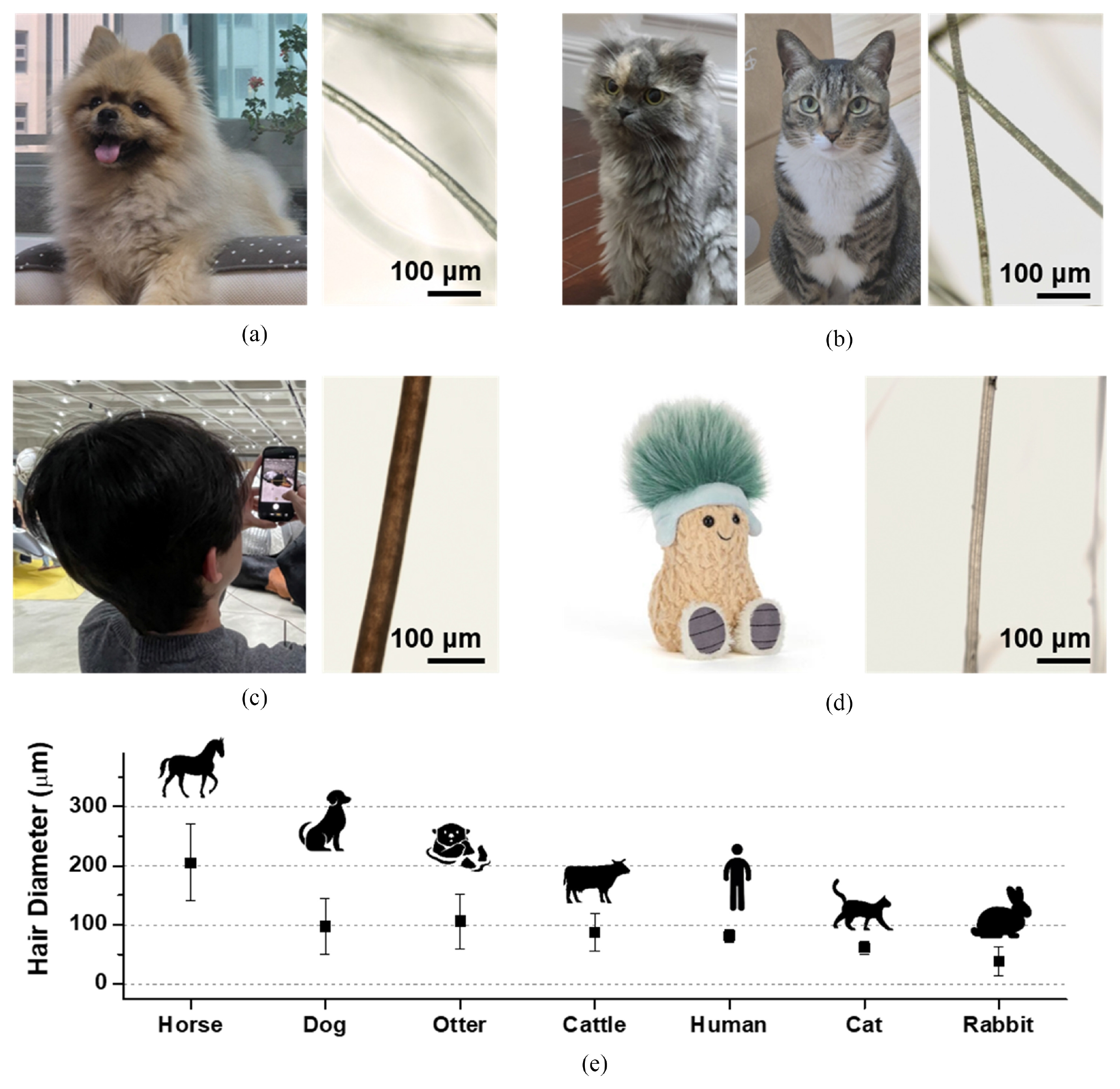
Fig. 1은 본 연구에서 FDM 공정을 통해 구현하고자 하는 Hair-like Structure의 형상적 모티프와 목표 치수 범위를 제시한다. 자연계의 포유류는 체표면에 다수의 가느다란 털 구조를 형성하며, 이러한 털은 단순한 표면 장식이 아니라 촉감, 보온성, 표면 질감 및 외관을 결정하는 중요한 구조적 요소로 작용한다. 특히 포유류의 털은 높은 종횡비(Aspect Ratio)를 갖는 일차원 섬유가 조밀하게 분포한 형태를 가지며, 개별 섬유의 직경, 길이, 곡률 및 집합적 밀도에 따라 전체 표면의 물리적·감각적 특성이 달라진다. 따라서 FDM 기반으로 HAIR-like Structure를 제조하기 위해서는 우선 실제 포유류 털 구조가 갖는 기하학적 및 치수적 특성을 파악하는 것이 필요하다.
Figs. 1(a)-
1(c)는 서로 다른 포유류에서 관찰되는 대표적인 털 구조를 보여준다. 개, 고양이 및 인간의 모발은 생물학적 기원과 외관은 서로 다르지만, 공통적으로 표면으로부터 길고 가느다란 섬유가 다수 돌출되어 있는 Hair Array 형태의 구조를 갖는다. 이러한 구조는 단일 섬유 하나의 형상만으로 설명되기 보다는, 다수의 Hair Strand가 일정한 밀도와 공간적 분포를 가지며 집합적으로 배열됨으로써 특유의 부드러운 표면 질감과 외관을 형성한다. 즉, 자연계 포유류 털의 모사는 단순히 얇은 섬유를 제조하는 문제에 그치지 않고, 이러한 섬유들이 표면 위에서 집합체를 이루는 구조적 특징을 함께 재현하는 문제로 이해되어야 한다.
Fig. 1(d)는 포유류 털 구조를 인공적으로 모사한 상업적 제품의 예로서 Jellycat 인형을 제시한다. 해당 인형은 실제 생물학적 털은 아니지만, 다수의 부드러운 섬유를 표면에 고밀도로 배치함으로써 포유류 털과 유사한 시각적 질감과 촉각적 부드러움을 구현한 사례이다. 이는 Hair-like Structure의 기능적 가치가 생물학적 재료 자체에만 있는 것이 아니라, 미세 섬유의 직경, 길이, 밀도 및 배열에 의해 형성되는 집합적 표면 구조에서 비롯될 수 있음을 보여준다. 따라서 포유류 털의 공학적 모사는 생체 재료의 복제가 아니라, 섬유성 표면 구조가 만들어내는 기하학적·감각적 특성을 제조 공정으로 재현하는 문제로 정의될 수 있다.
Fig. 1(e)과
Table 1은 본 연구에서 모사하고자 하는 Hair Strand의 대표적인 치수 범위를 보여준다. 포유류 털 및 인간 모발에서 관찰되는 개별 Hair Strand는 대체로 100 μm 이하의 미세 직경을 가지며, 길이 방향으로 연속적인 구조를 유지한다. 특히 부드러운 촉감으로 알려진 털 구조일수록 섬유 직경은 더 작아지는 경향이 있으며, 예를 들어 토끼털과 같이 매우 부드러운 털은 약 40 μm 수준의 직경을 갖는 것으로 알려져 있다. 따라서 본 연구에서 지향하는 목표는 단순히 100 μm 수준의 섬유를 구현하는 데 그치지 않고, FDM 공정으로 100 μm 이하, 나아가 수십 마이크로미터 수준의 Hair-like Fiber를 제조할 수 있는 가능성을 확보하는 데 있다.
이러한 치수 범위는 일반적인 FDM 공정에서 형성되는 압출 비드 폭보다 훨씬 작은 영역에 해당한다. 통상적인 FDM 적층 제조에서는 노즐 직경과 압출량에 의해 수백 마이크로미터 수준의 비드 또는 로드 구조가 형성되므로, 단순 압출 적층 방식만으로는
Fig. 1에서 관찰되는 실제 Hair의 미세 직경과 높은 종횡비를 구현하기 어렵다. 이에 본 연구에서는 노즐에서 토출된 용융 PLA를 기판 위에 단순히 적층하는 대신, 토출 이후 프린팅 방향으로 연속적으로 연신시켜 노즐 직경보다 현저히 작은 PLA Hair를 형성하는 전략을 도입하였다.
이러한 관점에서 기존의 섬유방사 기술은 미세 직경의 연속 섬유를 제조하는 데에는 유리하지만, 포유류 털과 같이 기판 또는 표면 위에 개별 섬유가 특정 위치와 방향성을 가지고 배열된 Hair Tile 구조를 직접 구현하는 데에는 한계가 있다. 일반적인 방사 공정에서는 섬유의 직경과 생산량을 제어할 수 있으나, 개별 섬유의 시작 위치, 배열 간격, 패턴 형상 및 국부적 밀도를 디지털 방식으로 제어하기 어렵다. 반면 3D Printing 기반 공정은 노즐 경로, 토출량, 프린팅 속도 및 적층 위치를 정밀하게 지정할 수 있으므로, 미세 섬유의 형성과 공간적 배열을 동시에 구현할 수 있다. 따라서 본 연구에서는 단순한 섬유 제조 기술이 아니라, 위치 제어 가능한 Hair Tile 구조를 제조하기 위한 전략으로 FDM 기반 적층제조 공정을 도입하였다.
특히 Hair 구조의 기계적 응답은 직경에 매우 민감하게 의존한다. 원형 단면 섬유의 굽힘 강성은 직경의 네제곱에 비례하므로, 직경 변화는 섬유의 유연성, 굽힘 거동 및 촉감 형성에 직접적인 영향을 미친다. 따라서 100 μm 이하, 궁극적으로 수십 마이크로미터 수준의 단일 섬유 직경을 구현하는 것은 단순한 소형화가 아니라, 실제 포유류 털과 유사한 유연성 및 세장비를 확보하기 위한 핵심 설계 조건이다. 동시에 이러한 미세 섬유를 표면 위에 반복적으로 배열할 수 있어야
Figs. 1(a)-
1(d)에서 관찰되는 HAIR-like Surface의 집합적 특성을 공학적으로 구현할 수 있다.
결과적으로
Fig. 1은 본 연구의 출발점이 되는 목표 구조의 형상 및 치수 기준을 제공한다.
Figs. 1(a)-
1(c)는 포유류 털 구조가 다수의 고종횡비 섬유로 구성된 Hair Array 형태임을 보여주며,
Fig. 1(d)는 이러한 털 구조가 인공 제품에서도 성공적으로 모사될 수 있음을 보여준다. 또한
Fig. 1(e)는 본 연구에서 목표로 하는 단일 Hair Strand가 100 μm 이하의 미세 직경 범위에 있어야 하며, 보다 부드러운 촉감을 구현하기 위해서는 수십 마이크로미터 수준까지 직경을 낮추는 것이 중요함을 시사한다. 이를 바탕으로 본 연구는 미세 섬유의 직경 제어와 표면 위 배열 가능성을 동시에 달성하기 위해 FDM 기반 제조 공정을 도입하였으며, 이후 제시되는 제조 시스템, 열적 물성 분석, 프린팅 속도에 따른 직경 제어 및 기계적 특성 평가는 모두 이 목표 치수 범위를 구현하고 그 형성 메커니즘을 규명하고자 한다.
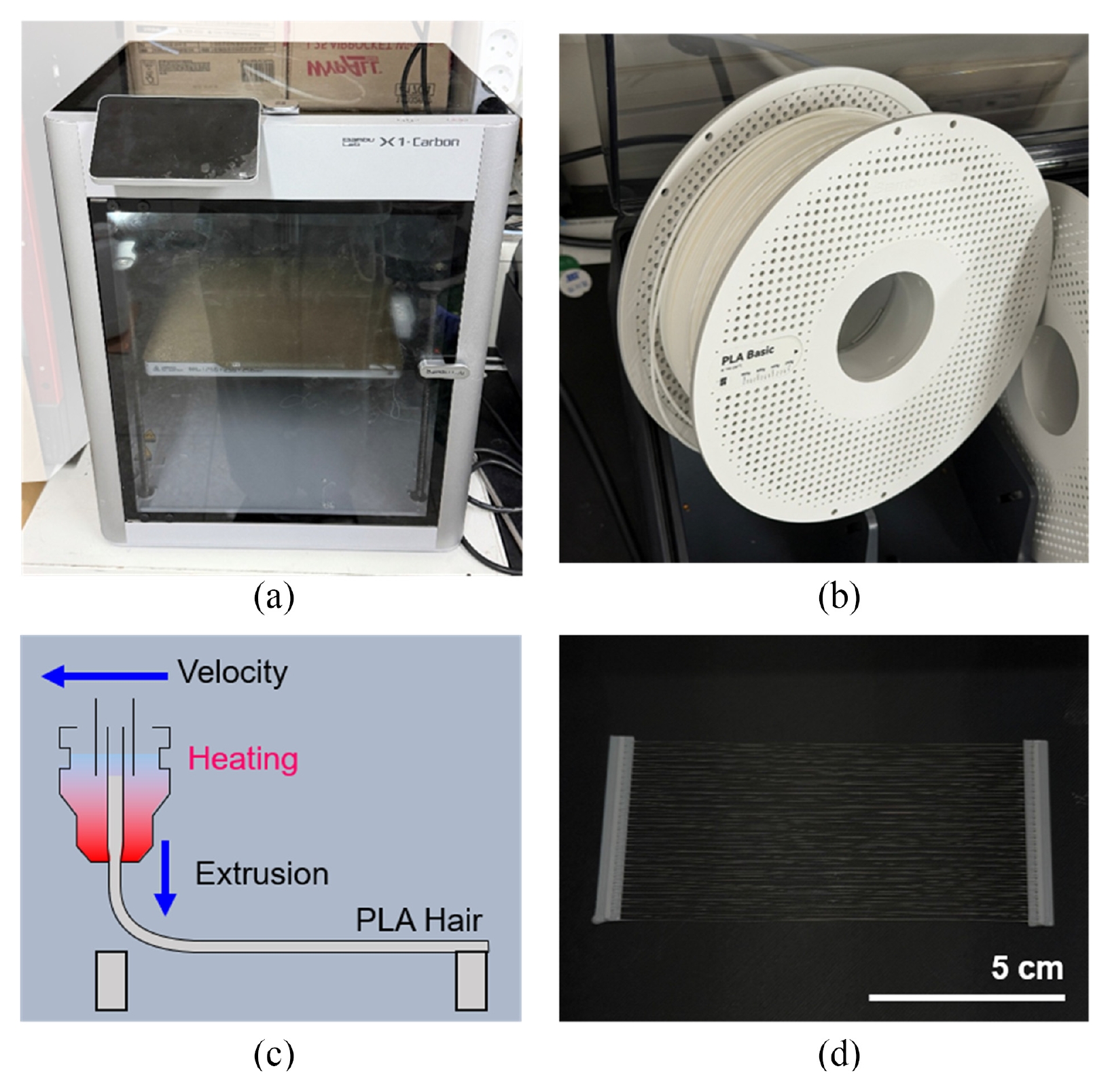
Fig. 2는 본 연구에서 사용한 FDM 기반 PLA Hair 제조 시스템과 공정 개념을 나타낸다.
Fig. 1에서 논의한 바와 같이, 자연계 Hair-like Structure를 공학적으로 모사하기 위해서는 100 μm 이하의 미세 섬유 직경뿐만 아니라, 이러한 섬유를 표면 위 특정 위치에 반복적으로 배치할 수 있는 제조 자유도가 필요하다. 이에 본 연구에서는 단순 섬유방사 공정이 아니라, 노즐 경로와 프린팅 속도를 디지털 방식으로 제어할 수 있는 FDM 적층제조 공정을 PLA Hair 제조 플랫폼으로 도입하였다.
Fig. 2(a)는 본 연구에서 사용한 FDM 장비인 Bambu Lab X1-Carbon을 보여준다. 해당 장비는 상용 FDM 프린터임에도 불구하고, 노즐 온도, 압출량, 프린팅 속도 및 X-Y 평면 내 이동 경로를 정밀하게 제어할 수 있다는 장점을 가진다. 본 연구에서는 이러한 제어 가능성을 활용하여 일반적인 적층 비드 구조가 아니라, 노즐에서 토출된 용융 고분자를 프린팅 방향으로 연신시켜 미세 Hair 구조를 형성하고자 하였다. 즉, 본 공정에서 FDM 장비는 단순히 3차원 형상을 적층하는 장치가 아니라, 용융 고분자의 압출과 기하학적 연신을 동시에 수행하는 정밀 제조 플랫폼으로 사용되었다.
Fig. 2(b)는 사용 재료인 PLA Basic 필라멘트를 나타낸다. PLA는 FDM 공정에서 널리 사용되는 열가소성 고분자로, 비교적 낮은 용융 가공 온도와 안정적인 압출성을 갖기 때문에 미세 섬유 형성 공정에 적합한 재료로 판단된다. 본 연구에서는 상용 PLA 필라멘트를 사용함으로써 별도의 특수 소재 합성이나 복잡한 전처리 없이, 일반적인 FDM 시스템에서 Hair-like Fiber 제조가 가능한지를 검토하였다. 이는 제안 공정이 특정 실험실용 장비나 특수 재료에 의존하지 않고, 범용 FDM 플랫폼과 상용 필라멘트를 기반으로 확장될 수 있음을 보여준다.
Fig. 2(c)는 PLA Hair가 형성되는 핵심 공정 메커니즘을 개념적으로 나타낸다. 먼저 PLA 필라멘트는 가열된 노즐 내부에서 용융되어 유동 가능한 상태가 되며, 이후 노즐 하단으로 압출된다. 일반적인 FDM 공정에서는 이렇게 토출된 용융 고분자가 기판 위에 놓이면서 비드 형태로 적층된다. 그러나 본 연구에서는 노즐 또는 기판의 X-Y 방향 이동 속도를 크게 부여하여, 토출된 PLA가 기판 위에 단순히 쌓이는 것이 아니라 프린팅 방향으로 연속적으로 당겨지도록 하였다. 이 과정에서 노즐로부터 공급되는 압출 유량과 프린팅 속도 사이의 차이가 발생하며, 용융 PLA는 길이 방향으로 연신되어 노즐 직경보다 훨씬 작은 직경의 Hair-like Fiber로 전환된다.
이러한 공정은 압출–연신 결합 공정으로 해석될 수 있다. 노즐 내부에서는 가열에 의해 PLA의 점도가 감소하여 안정적인 압출이 가능해지고, 노즐 외부에서는 빠른 수평 이동에 의해 용융 또는 반용융 상태의 PLA에 일축 인장 변형이 가해진다. 따라서 최종 PLA Hair의 직경은 단순히 노즐 직경에 의해 결정되는 것이 아니라, 노즐을 통해 공급되는 부피 유량과 프린팅 속도 사이의 상대적인 균형에 의해 결정된다. 이는 이후
Fig. 5에서 논의되는 연속 방정식 기반 직경 제어 모델의 물리적 배경이 된다.
Fig. 2(d)는 실제로 제조된 PLA Hair 시편을 보여준다. 사진에서 확인되듯이, 다수의 PLA Hair가 일정한 방향으로 연속적으로 형성되어 있으며, 양 끝단은 지지 구조에 의해 고정되어 있다. 이는 본 공정이 단일 가닥의 우연한 섬유 형성이 아니라, 설정된 노즐 경로와 프린팅 조건에 따라 반복적인 Hair-like Fiber 배열을 구현할 수 있음을 보여준다. 또한 5 cm 스케일 바를 고려할 때, 본 공정은 미세 직경의 섬유를 거시적 면적까지 확장하여 제조할 수 있는 가능성을 가진다.
Fig. 2(d)의 제조 결과는
Fig. 1에서 제시한 연구 방향과 직접적으로 연결된다. 자연계 Hair 구조의 공학적 모사는 단일 미세 섬유를 만드는 것만으로 충분하지 않으며, 다수의 섬유가 일정한 방향성과 공간적 분포를 가지는 배열 구조로 구현되어야 한다. 본 연구의 FDM 기반 공정은 노즐 경로를 기반으로 섬유의 시작점, 종료점, 방향 및 반복 간격을 설계할 수 있으므로, 기존 섬유방사 기술보다 Hair Tile 형태의 구조를 제조하는 데 더 적합하다. 따라서
Fig. 2는 FDM 공정이 단순한 적층 제조 기술을 넘어, 미세 Hair 구조의 직경 제어와 배열 제어를 동시에 달성할 수 있는 제조 방법론으로 활용될 수 있음을 보여준다.
종합하면,
Fig. 2는 상용 FDM 장비와 PLA 필라멘트를 이용하여 PLA Hair를 제조하는 실험적 기반과 물리적 메커니즘을 제시한다.
Figs. 2(a)와
2(b)는 공정 플랫폼과 재료의 범용성을 보여주며,
Fig. 2(c)는 가열된 노즐에서의 압출과 X-Y 방향 고속 이동에 의한 연신이 Hair-like Fiber 형성의 핵심 원리임을 설명한다.
Fig. 2(d)는 이러한 공정 개념이 실제 PLA Hair Tile 제조로 구현될 수 있음을 입증한다. 따라서 이후의 열적 물성 분석, 프린팅 속도에 따른 직경 제어 및 기계적 특성 평가는 모두
Fig. 2에서 제시된 압출-연신 기반 FDM Hair 제조 공정의 구조 형성 원리를 정량적으로 규명하기 위한 과정으로 연결된다.
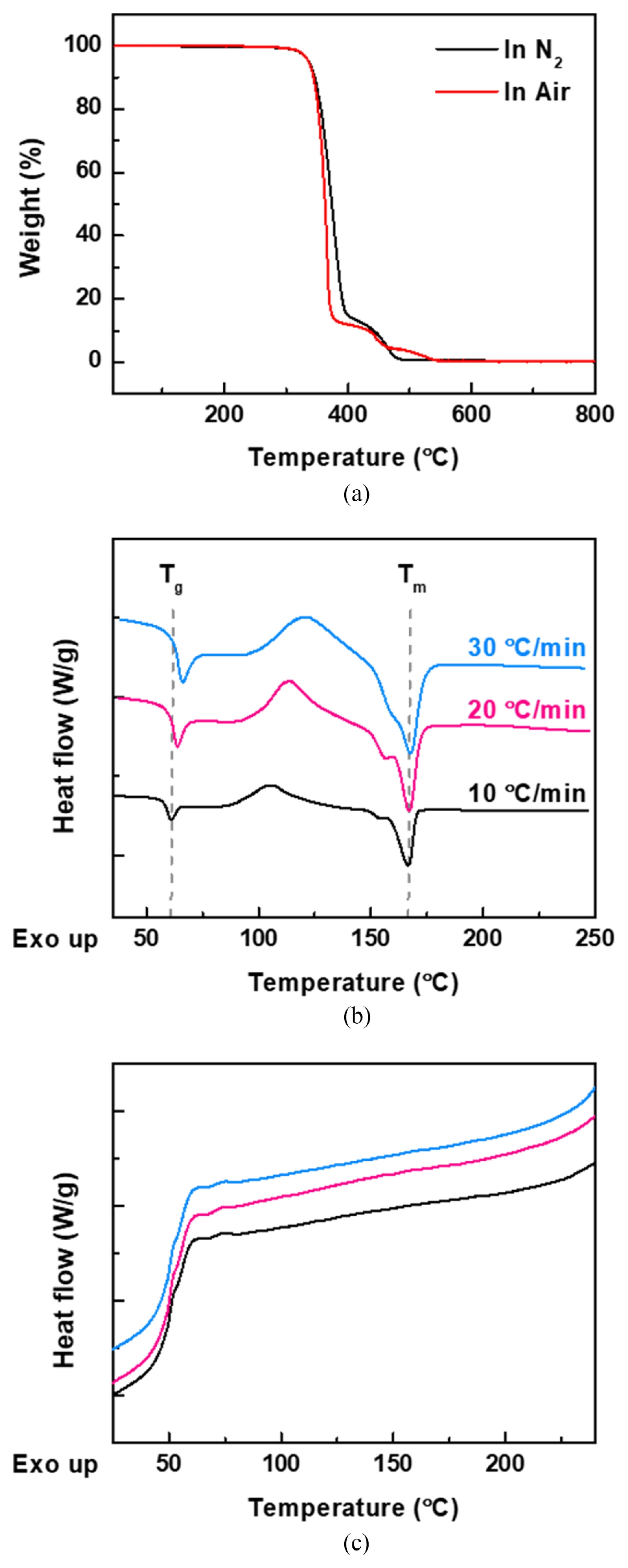
Fig. 3은 본 연구에서 사용한 PLA Basic 필라멘트의 열적 안정성 및 상전이 거동을 분석한 결과이다. FDM 기반 PLA Hair 제조 공정에서는 PLA 필라멘트가 노즐 내부에서 가열되어 용융 상태로 전환된 후, 압출과 동시에 프린팅 방향으로 연신되고, 이후 냉각을 통해 최종 섬유 형상으로 고정된다. 따라서 PLA의 열분해 온도, 유리전이온도(T
g), 결정화온도(T
c), 용융온도(T
m), 그리고 냉각 과정에서의 유리전이 거동은 공정 온도 설정과 최종 PLA Hair의 구조 형성 메커니즘을 이해하는 데 핵심적인 기준이 된다.
Fig. 3(a)는 PLA 필라멘트의 TGA 분석 결과를 나타낸다. PLA는 초기 온도 영역에서 비교적 안정한 질량을 유지하다가 약 330
oC 부근부터 급격한 질량 감소를 보였으며, 이는 해당 온도 이상에서 PLA의 열분해가 본격적으로 진행됨을 의미한다. 본 연구의 실제 FDM 공정온도는 250
oC 로 설정되었으며, 이는 PLA의 용융 및 압출 유동성을 충분히 확보할 수 있는 온도이면서도 TGA에서 확인된 급격한 열분해 개시 온도보다 낮은 영역에 해당한다. 따라서 본 공정 조건에서는 PLA가 노즐 내부에서 안정적으로 용융·압출될 수 있으며, 열분해에 의한 심각한 재료 열화는 제한적일 것으로 판단된다.
Fig. 3(b)는 PLA의 1st Heating 단계의 DSC 결과를 보여준다. 가열 과정에서 PLA는 냉각 조건에 따라 약 57.64–61.74
oC 범위의 T
g, 약 105.97–121.37
oC 범위의 T
c, 그리고 약 166.76–167.62
oC 범위의 T
m을 나타냈다. T
g는 PLA 사슬의 Segmental Motion이 활성화되기 시작하는 온도이며, T
c는 가열 중 사슬 이동성이 증가함에 따라 비정질 또는 불완전 배열 상태의 사슬이 결정 구조로 재배열되는 냉결정화 거동을 의미한다. 이후 T
m 부근에서 나타나는 흡열 피크는 필라멘트 내부에 존재하던 결정 영역과 가열 중 형성된 결정 구조가 용융되면서 발생한 것으로 해석된다.
특히 Tm이 약 167oC 수준으로 나타난 반면, 본 연구의 FDM 공정온도는 250oC 로 설정되었다. 이는 PLA가 노즐 내부에서 단순히 연화된 상태가 아니라, 기존 결정 구조가 모두 용융된 고분자 Melt 상태로 전환된 후 압출됨을 의미한다. 따라서 이후 노즐 외부에서 형성되는 PLA Hair의 직경과 구조는 초기 필라멘트의 결정 구조보다는, 250oC에서 형성된 용융 PLA의 유동, 압출량, 프린팅 속도에 의한 연신, 그리고 냉각 이력에 의해 결정되는 것으로 판단된다.
또한 가열 과정에서 냉각 속도가 증가함에 따라 Tc는 105.97에서 121.37oC 로 상승하였다. 이는 이전 냉각 단계에서 빠르게 냉각된 시료일수록 결정화가 충분히 진행되지 못하고 더 많은 비정질 또는 불완전 배열 구조를 유지했기 때문으로 해석된다. 이러한 시료는 Subsequent Heating 과정에서 사슬 운동성이 확보되는 즉시 재배열 및 결정화가 진행되며, 그 결과 냉결정화 피크가 보다 뚜렷하게 관찰된다. 즉, 빠른 냉각은 냉각 중 결정화를 억제하고, 그 결과 가열 중 냉결정화 가능성을 증가시키는 열이력을 남긴다.
Fig. 3(c)는 PLA를 250
oC 까지 가열하여 완전히 용융시킨 후, 다시 냉각하면서 측정한 DSC Cooling Scan 결과이다. 이 조건은 본 연구의 실제 FDM 공정온도와 동일한 250
oC까지 PLA를 용융시킨 뒤의 냉각 거동을 관찰한 것이므로, 노즐 내부에서 완전히 용융된 PLA가 외부로 토출된 후 냉각되는 과정을 열분석적으로 모사한다는 점에서 중요하다. 냉각 과정에서 관찰된 T
g는 약 55.29–56.18
oC 범위에 위치하였으며, 괄호 안에 제시된 onset 또는 보조 전이 온도는 약 50.46–50.56
oC 범위로 거의 일정하게 나타났다. 이는 냉각 과정에서 PLA 사슬 운동성이 약 50–56
oC 영역을 지나면서 급격히 제한되고, 그 이하의 온도에서는 노즐 외부에서 형성된 형상 및 분자 배열 상태가 동결됨을 의미한다. 이러한 결과는
Table 2에 요약하여 나타내었다.
냉각 과정의 DSC 결과는 PLA의 비등온 결정화 거동을 이해하는 데 중요한 정보를 제공한다. 용융 상태의 PLA가 냉각될 때 결정화가 일어나기 위해서는 사슬이 충분한 운동성을 유지한 상태에서 결정핵을 형성하고 결정 성장에 참여해야 한다. 그러나 냉각 속도가 증가할수록 온도가 빠르게 낮아지므로, 사슬이 결정 격자로 재배열될 수 있는 시간적 여유가 감소한다. 그 결과 결정화는 지연되거나 억제되며, 최종적으로 더 높은 비정질성을 갖는 구조가 형성될 가능성이 커진다.
이 결과는 FDM 기반 PLA Hair 제조 공정과 직접적으로 연결된다. 본 공정에서는 PLA가 250oC에서 완전히 용융된 후 노즐을 통해 압출되고, 프린팅 방향으로 빠르게 연신되면서 동시에 냉각된다. 특히 프린팅 속도가 증가할수록 형성되는 PLA Hair의 직경은 감소하며, 이에 따라 표면적 대 부피비가 증가하여 냉각 속도는 더욱 빨라질 수 있다. 따라서 고속 프린팅 조건에서 형성된 PLA Hair는 열역학적 결정화가 충분히 진행되기보다는, 용융 또는 고무상 상태에서 부여된 연신 이력과 이후 Tg이하로의 급속 냉각에 의해 형상 및 분자 배열이 고정될 가능성이 크다.
따라서
Fig. 3은 본 연구의 공정 조건이 PLA의 열적 안정성 범위 안에 있음을 확인하는 동시에, 250
oC에서 완전히 용융된 PLA가 냉각 과정에서 결정화 및 유리전이를 거쳐 구조적으로 고정되는 과정을 보여준다. 이러한 열적 거동은 이후
Fig. 4에서 논의되는 냉각 속도 의존적 결정화도 변화,
Fig. 5의 프린팅 속도 기반 직경 제어, 그리고
Fig. 6의 연신 유도 배향에 따른 기계적 특성 변화를 해석하기 위한 기초가 된다.
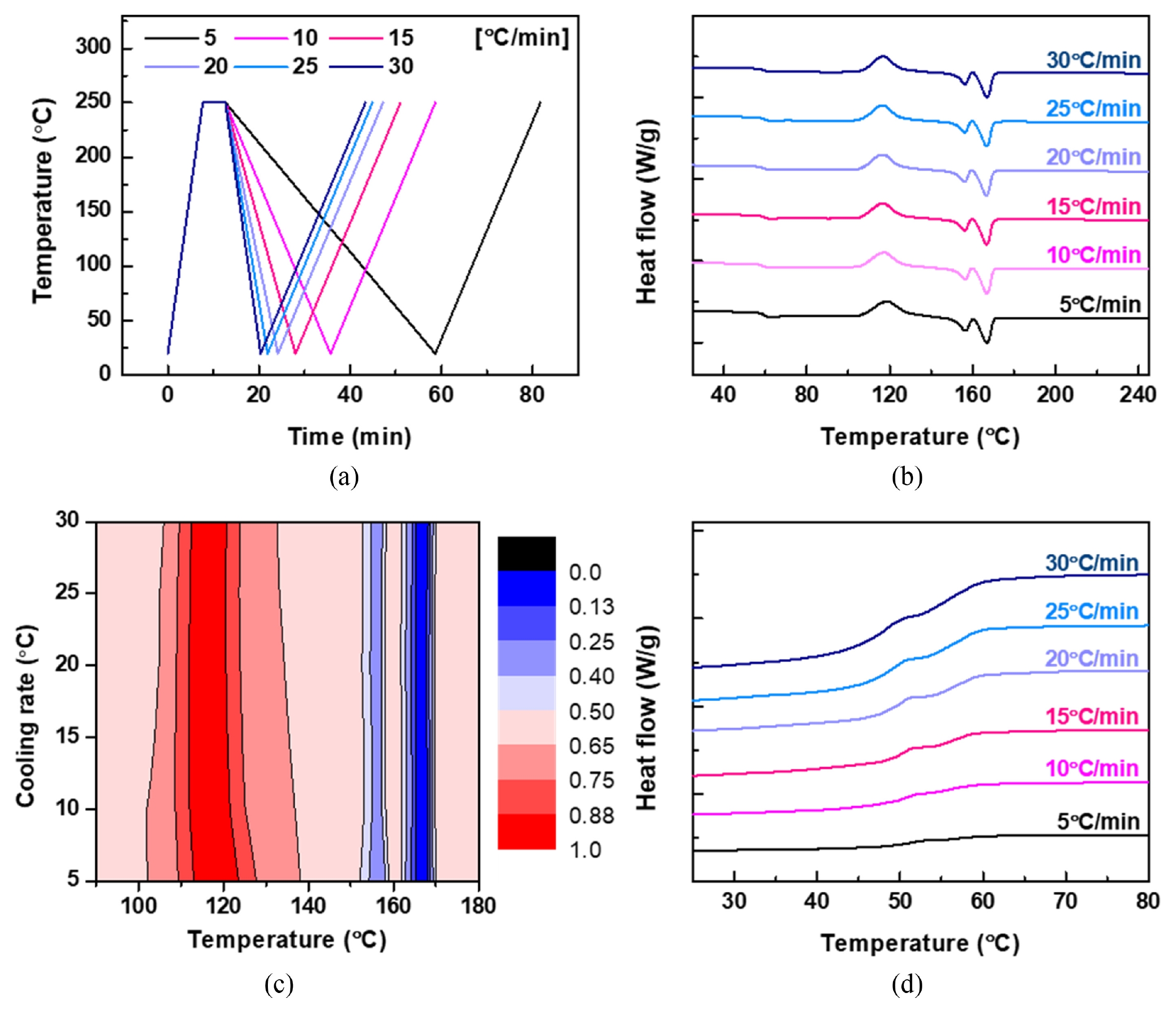
Fig. 4는 PLA Melt의 냉각 속도 변화에 따른 비등온 결정화 거동을 분석한 결과이다. FDM 기반 PLA Hair 제조 공정에서는 PLA가 250
oC의 노즐 내부에서 완전히 용융된 후 외부로 압출되고, 프린팅 방향으로 연신되는 동시에 냉각된다. 이때 냉각 속도는 고분자 사슬이 결정 구조로 재배열될 수 있는 시간적 여유를 결정하는 핵심 인자이다. 따라서 냉각 속도에 따른 PLA의 결정화 거동을 분석하는 것은 이후 PLA Hair의 구조 형성, 분자 배향 및 기계적 특성을 해석하는 데 필수적이다.
Fig. 4(a)는 서로 다른 냉각 속도 조건에서 수행된 DSC Thermal Cycle을 나타낸다. 모든 조건에서 PLA는 250
oC까지 가열되어 완전히 용융된 후, 각각 5, 10, 15, 20, 25 및 30
oC/min의 냉각 속도로 하온되었다. 이후 다시 가열하는 과정에서 PLA의 유리전이, 냉결정화 및 용융 거동이 관찰되었다. 이러한 열 이력 설계는 실제 FDM 공정에서 PLA가 노즐 내부에서 용융된 후 외부 환경에서 서로 다른 속도로 냉각되는 상황을 모사하기 위한 것이다. 이러한 실험 조건은
Table 3에 정리하여 나타내었다.
Fig. 4(b)는 냉각 속도별 DSC Heating Scan을 비교한 결과이다. 냉각 속도가 증가함에 따라 가열 중 나타나는 냉결정화 피크가 보다 뚜렷하게 관찰되며, 이는 빠른 냉각 과정에서 결정화가 충분히 진행되지 못했음을 의미한다. 느린 냉각 조건에서는 PLA 사슬이 냉각 중 상대적으로 긴 시간 동안 운동성을 유지하므로, 일부 결정화가 이미 진행될 수 있다. 반면 빠른 냉각 조건에서는 용융 상태의 사슬이 결정핵을 형성하고 결정 성장에 참여하기 전에 온도가 빠르게 낮아지기 때문에, 더 많은 비정질 또는 불완전 배열 구조가 남게 된다. 이러한 구조는 Subsequent Heating 과정에서 사슬 운동성이 다시 확보될 때 냉결정화로 나타난다.
Fig. 4(c)는 온도와 냉각 속도에 따른 결정화 거동을 Contour Map 형태로 정리한 결과이다. 해당 Map은 냉각 속도가 증가할수록 결정화가 발생하는 온도 영역과 강도가 변화함을 시각적으로 보여준다. 낮은 냉각 속도에서는 결정화가 비교적 높은 온도 영역에서 충분히 진행될 수 있으나, 냉각 속도가 증가하면 결정화 가능 영역이 제한되고, 결정화 거동은 저온 영역으로 이동하거나 약화된다. 이는 PLA의 결정화가 단순히 온도에 의해서만 결정되는 것이 아니라, 주어진 온도 구간에서 사슬이 머무르는 시간, 즉 열적 체류 시간에 강하게 의존함을 의미한다.
이러한 Contour Map 결과는 빠른 냉각 조건에서 고온 영역의 열역학적 결정화가 효과적으로 억제됨을 보여준다. 고분자 결정화는 결정핵 형성과 사슬 접힘 및 라멜라 성장 과정을 필요로 하므로, 충분한 사슬 이동성과 시간이 동시에 확보되어야 한다. 그러나 냉각 속도가 커질수록 PLA는 결정화가 가능한 온도 구간을 빠르게 통과하게 되며, 그 결과 결정 성장에 필요한 시간이 부족해진다. 따라서 빠른 냉각 조건에서 PLA는 높은 결정화도를 갖는 구조로 발달하기보다는, 상대적으로 무정형에 가까운 상태로 고정될 가능성이 크다.
Fig. 4(d)는 냉각 속도에 따른 유리전이온도 변화 를 나타낸다. 냉각 속도가 낮을수록 결정화가 보다 완만하고 충분히 진행되는 반면, 냉각 속도가 증가할수록 결정화 진행은 지연되거나 제한되는 경향을 보인다. 특히 30
oC/min 과 같은 빠른 냉각 조건에서는 동일한 온도 구간에서 결정화가 완료될 시간이 부족하므로, 최종적으로 남는 비정질 분율이 증가할 것으로 판단된다. 이는
Fig. 4(b)에서 빠른 냉각 시료의 냉결정화 피크가 두드러지는 현상과 일관된다.
이 결과는 본 연구의 FDM Hair 제조 공정과 직접적으로 연결된다. PLA Hair는 노즐에서 토출된 후 프린팅 방향으로 연신되며, 동시에 공기 및 기판과의 열교환을 통해 냉각된다. 특히 프린팅 속도가 증가할수록 연신에 의해 섬유 직경이 감소하고, 이에 따라 표면적 대 부피비가 증가한다. 이러한 형상 변화는 냉각을 더욱 빠르게 만들 수 있으며,
Fig. 4에서 확인된 바와 같이 빠른 냉각은 PLA의 열역학적 결정화를 억제하는 방향으로 작용한다. 따라서 고속 프린팅 조건에서 형성되는 PLA Hair는 높은 결정화도 형성보다는, 급속 냉각에 의해 비정질 또는 낮은 결정성 상태로 고정될 가능성이 크다.
그러나 이후
Fig. 6에서 확인되는 바와 같이, 고속 프린팅 조건에서 PLA Hair의 인장강도와 탄성률은 오히려 증가한다. 이는 기계적 성능 향상이 단순한 결정화도 증가에 의한 것이 아님을 시사한다.
Fig. 4의 결과를 고려하면, 빠른 냉각 조건에서는 열역학적 결정화가 억제되므로, 고속 프린팅에서 나타나는 강도 및 강성 증가는 결정화보다는 노즐 외부에서 인가되는 강한 연신 응력에 의한 분자 배향, 즉 연신 유도 배향에 기인하는 것으로 해석하는 것이 타당하다. 다시 말해, FDM 기반 PLA Hair 공정에서는 냉각 속도가 결정화도를 낮추는 방향으로 작용하는 동시에, 빠른 프린팅 속도는 사슬을 섬유 축 방향으로 정렬시키는 역할을 한다.
종합하면,
Fig. 4는 PLA의 구조 형성이 냉각 속도에 민감하게 의존함을 보여준다. 느린 냉각 조건에서는 PLA 사슬이 결정 구조로 재배열될 시간이 충분하여 결정화가 상대적으로 용이하지만, 빠른 냉각 조건에서는 결정화가 지연 및 억제되어 무정형에 가까운 구조가 형성된다. 본 연구의 PLA Hair 제조 공정에서는 프린팅 속도 증가에 따라 섬유 직경이 감소하고 냉각이 가속화될 수 있으므로, 열적 결정화보다는 연신 이력과 급속 냉각에 의한 구조 고정이 최종 Hair 구조 형성에 중요한 역할을 할 것으로 판단된다. 따라서
Fig. 4는 이후 논의되는 직경 제어 및 기계적 물성 변화가 단순한 냉각 결정화 효과가 아니라, 기하학적 연신과 분자 배향 효과를 함께 고려해야 함을 뒷받침한다.
한편 PLA의 기계적 물성에는 냉각 속도에 따른 결정화도 변화와 연신에 따른 분자 배향이 함께 기여할 수 있다. 그러나 본 실험에 사용한 PLA는 DSC 결과에 나타난 바와 같이 비결정성에 가까운 고분자로, 일반적인 반결정성 열가소성 고분자에 비해 냉각 속도에 따른 결정화도 변화의 영향을 상대적으로 덜 받는다. 따라서 고속 프린팅 조건에서 관찰되는 인장강도 및 탄성률 증가는 결정화도 증가보다는 연신 유도 분자 배향에 의해 지배되는 것으로 해석하는 것이 타당하다.
3.5 프린팅 속도에 따른 PLA Hair 직경 제어 및 기하학적 연신 모델
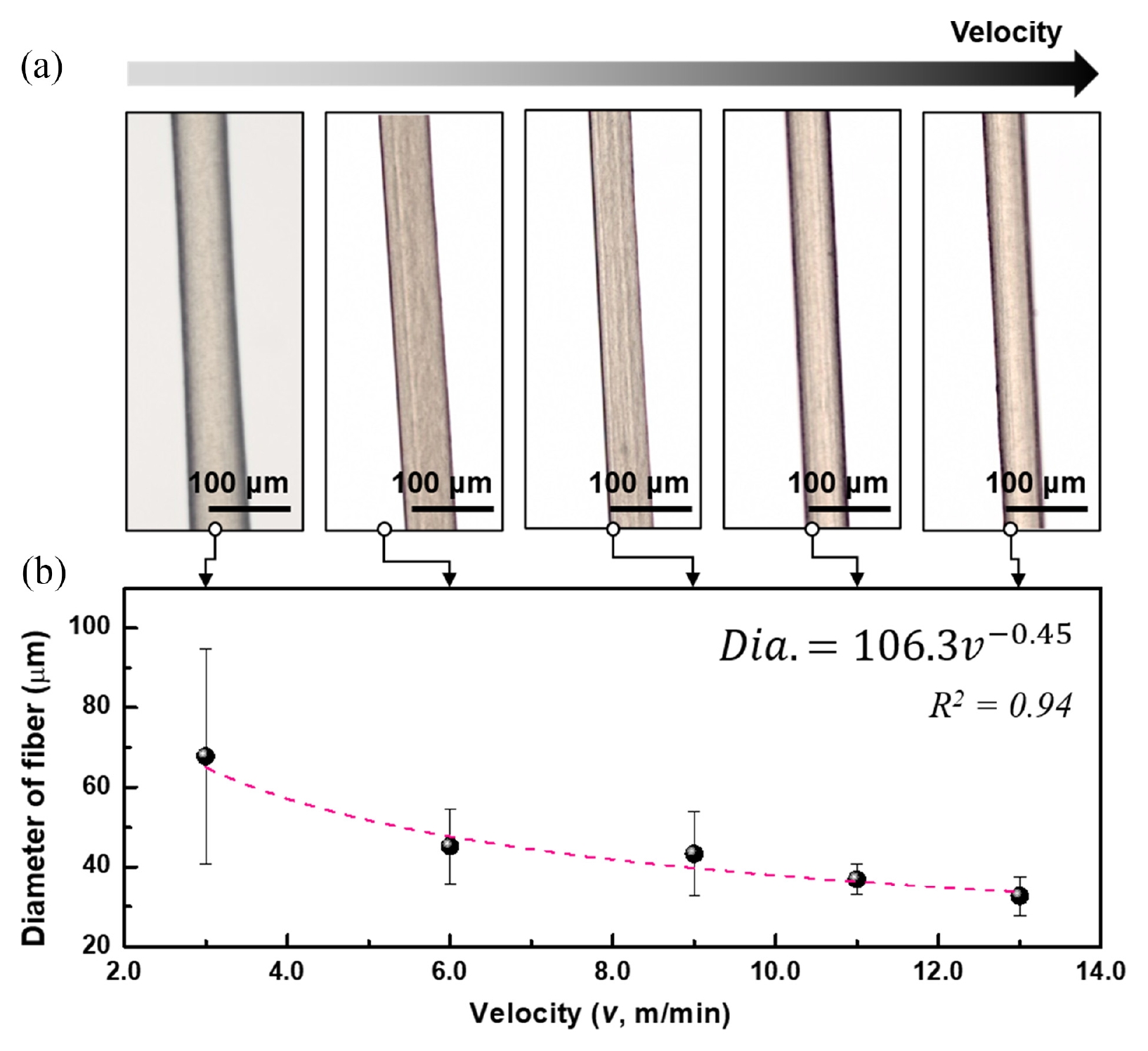
Fig. 5는 FDM 기반 PLA Hair 제조 공정에서 프린팅 속도가 단일 Hair Strand의 직경에 미치는 영향을 나타낸다.
Fig. 5(a)는 서로 다른 프린팅 속도 조건에서 제조된 PLA Hair의 광학현미경 이미지를 보여준다. 프린팅 속도가 증가함에 따라 PLA Hair의 직경은 점진적으로 감소하였으며, 모든 조건에서 길이 방향으로 연속적인 섬유 형상이 유지되었다. 이는 본 공정에서 용융 PLA가 노즐로부터 압출된 이후 프린팅 방향으로 안정적으로 연신되었음을 의미한다. 특히 관찰된 PLA Hair는
Fig. 1에서 논의한 자연계 Hair Strand의 치수 범위, 즉 100 μm 이하 또는 수 십 마이크로미터 수준의 미세 직경 영역으로 접근하는 경향을 보였다. 따라서
Fig. 5(a)는 FDM 공정이 일반적인 압출 비드 형성을 넘어, Hair-like Microfibers 제조에 활용될 수 있음을 직접적으로 보여준다.
프린팅 속도 증가에 따른 직경 감소는 용융 고분자의 압출량과 연신 속도 사이의 관계로 설명될 수 있다. 본 공정에서 노즐 내부의 PLA는 250oC에서 완전히 용융된 상태로 압출되며, 노즐 외부에서는 X-Y 방향의 프린팅 속도에 의해 수평 방향으로 당겨진다. 이때 압출 조건이 일정하게 유지된다면, 단위 시간당 노즐로부터 공급되는 PLA의 부피 유량은 거의 일정하다고 가정할 수 있다. 따라서 동일한 양의 용융 PLA가 더 빠른 프린팅 속도에서 더 긴 거리로 분배되어야 하며, 그 결과 형성되는 섬유의 단면적과 직경은 감소하게 된다.
이러한 거동은 질량 보존 법칙에 기반한 연속 방정식으로 정량화할 수 있다. 노즐을 통과하는 용융 PLA의 부피 유량과 기판 위에 형성되는 PLA Hair의 부피 유량이 동일하다고 가정하면
식(1)이 성립한다.
여기서
Anozzle은 노즐 출구에서의 유효 단면적,
vnozzle은 노즐을 통과하는 용융 PLA의 평균 토출 속도,
Afiber는 형성된 PLA hair의 단면적,
vprint는 프린팅 속도를 의미한다. 압출 조건이 일정하여
Anozzlevnozzle, 즉 토출 부피 유량
Q가 일정하다고 하면, PLA hair의 단면적은 프린팅 속도에 반비례하는
식(2)에 따른다.
PLA Hair의 단면을 원형 또는 이에 가까운 형상으로 근사하면
Afiber ∝
Dfiber2이므로, 섬유 직경은 다음과 같이 프린팅 속도의 제곱근에 반비례하는 형태로 정리(
식(3))된다.
여기서 k는 노즐 토출량, 재료 밀도, 단면 형상 및 공정 조건을 포함하는 상수이다. 이 관계는 본 공정에서 PLA hair의 직경이 단순히 장비 해상도나 노즐 직경에 의해 결정되는 것이 아니라, 압출된 용융 고분자가 프린팅 방향으로 얼마나 강하게 기하학적으로 연신되는가에 의해 결정됨을 의미한다.
Fig. 5(b)는 프린팅 속도와 PLA Hair 직경 사이의 정량적 관계를 나타낸다. 프린팅 속도가 3.0에서 13.0 m/min으로 증가함에 따라 PLA Hair의 평균 직경은 비선형적으로 감소하였다. 이 감소 경향은 선형 관계가 아니라 거듭제곱 함수 형태를 보였으며, 비선형 회귀 분석(Non-linear Regression)을 통해
식(4)와 같은 경험식을 도출하였다.
해당 회귀식은 높은 결정계수(R2 = 0.94)를 나타냈으며, 실험적으로 얻어진 지수값 -0.45은 연속 방정식으로부터 예측되는 이론적 지수값 -0.5와 거의 일치하였다. 이는 프린팅 속도에 따른 PLA Hair 직경 감소는 질량 보존 법칙에 기반한 기하학적 연신 모델에 의해 매우 잘 설명됨을 의미한다.
이 결과는 본 연구의 공정 해석에서 중요한 의미를 가진다. 용융 고분자의 미세 섬유 형성에는 일반적으로 점탄성, 표면장력, 냉각 속도, 중력, 공기 저항, Die Swelling 및 고분자 사슬 이완 등 다양한 물리적 인자가 관여할 수 있다. 그러나 본 연구에서 실험 지수값이 이론적 v-0.5스케일링과 거의 일치했다는 사실은, 본 조건에서 PLA Hair의 직경 결정이 이러한 부차적 요인보다 압출 유량과 프린팅 속도 사이의 기하학적 관계에 의해 지배됨을 시사한다. 다시 말해, 본 공정에서 직경 제어의 1차 지배 인자는 재료의 복잡한 유변학적 응답이 아니라, 일정한 부피 유량의 용융 PLA가 프린팅 속도 증가에 의해 더 작은 단면적으로 분배되는 연속 방정식적 효과로 판단된다.
또한 D⋅v값이 속도 변화에도 불구하고 약 110-118 범위에서 비교적 일정하게 유지된다는 점은 이러한 해석을 더욱 뒷받침한다. 연속 방정식 기반 모델에 따르면 D = kv-0.5이므로, D⋅v는 속도와 무관한 상수 에 해당한다. 만약 공정 중 토출량이 크게 변동하거나 노즐 내 유동이 불안정했다면, 이 값은 프린팅 속도에 따라 큰 산포를 보였을 것이다. 그러나 실험 결과 D⋅v가 좁은 범위에서 유지되었으므로, 본 공정에서는 PLA의 토출 부피 유량이 안정적으로 제어되었고, 직경 감소가 일정한 유량 조건에서의 기하학적 연신에 의해 재현성 있게 발생한 것으로 판단된다.
위의 연속 방정식 기반 직경 제어 모델은 토출 부피 유량이 일정하게 유지되고 노즐 외부에서의 연신이 직경 결정을 지배하는 조건에서 성립한다. 실제 FDM 공정에서는 노즐 내부 압력, 용융 점도, 벽면 Slip, Die Swell, 그리고 냉각에 따른 고화 등이 직경 형성에 함께 관여할 수 있다. 본 연구에서는 이러한 인자들의 영향을 배제하기 위해, 직경–속도 실험에서 가닥 인출 속도만을 변화시키고 노즐 직경(0.4 mm)과 필라멘트 공급 속도(500 mm/min)를 비롯한 그 외 모든 공정 조건을 동일하게 유지하였다.
Fig. 5의 결과는 FDM 기반 Hair 제조 공정의 설계 측면에서도 중요한 의미를 갖는다. 일반적인 FDM 공정에서는 노즐 직경이 제조 가능한 최소 선폭을 제한하는 주요 인자로 간주된다. 그러나 본 연구에서는 노즐에서 압출된 PLA를 프린팅 방향으로 연속적으로 연신함으로써, 노즐 직경보다 훨씬 작은 직경의 PLA Hair를 형성할 수 있음을 확인하였다. 이는 FDM 공정의 해상도를 단순한 노즐 직경 기준으로 이해하는 것에서 벗어나, 압출량과 프린팅 속도의 상대적 제어를 통해 미세 섬유 직경을 조절할 수 있음을 보여준다.
특히
Fig. 1에서 논의한 바와 같이, 자연계 Hair-like Structure의 모사를 위해서는 100 μm 이하, 더 나아가 부드러운 털 구조에 가까운 수십 마이크로미터 수준의 섬유 직경 구현이 중요하다.
Fig. 5의 결과는 프린팅 속도를 증가시킴으로써 PLA Hair의 직경을 이러한 목표 범위로 낮출 수 있음을 보여주며, FDM 공정이 단순한 3차원 적층 제조 기술을 넘어 미세 Hair-like Fiber의 직경 제어 기술로 확장될 수 있음을 입증한다.
종합하면,
Fig. 5는 프린팅 속도가 PLA Hair 직경을 결정하는 핵심 공정 변수임을 정량적으로 보여준다. 프린팅 속도 증가에 따라 PLA Hair 직경은 거듭제곱 함수적으로 감소하였으며, 실험적으로 도출된
D ≈ 106.3
v-0.45 관계는 연속 방정식으로 예측되는
D ∝
v-0.5 모델과 거의 일치하였다. 따라서 본 공정에서 PLA Hair의 직경 제어는 일정한 토출량 조건에서 프린팅 속도에 의해 유도되는 기하학적 연신 메커니즘에 의해 지배되는 것으로 판단된다. 이러한 결과는 FDM 기반 Hair Tile 제조에서 프린팅 속도만으로도 단일 섬유 직경을 예측 가능하게 조절할 수 있음을 보여주며, 이후 기계적 특성 변화의 원인을 해석하는 핵심 기반을 제공한다.
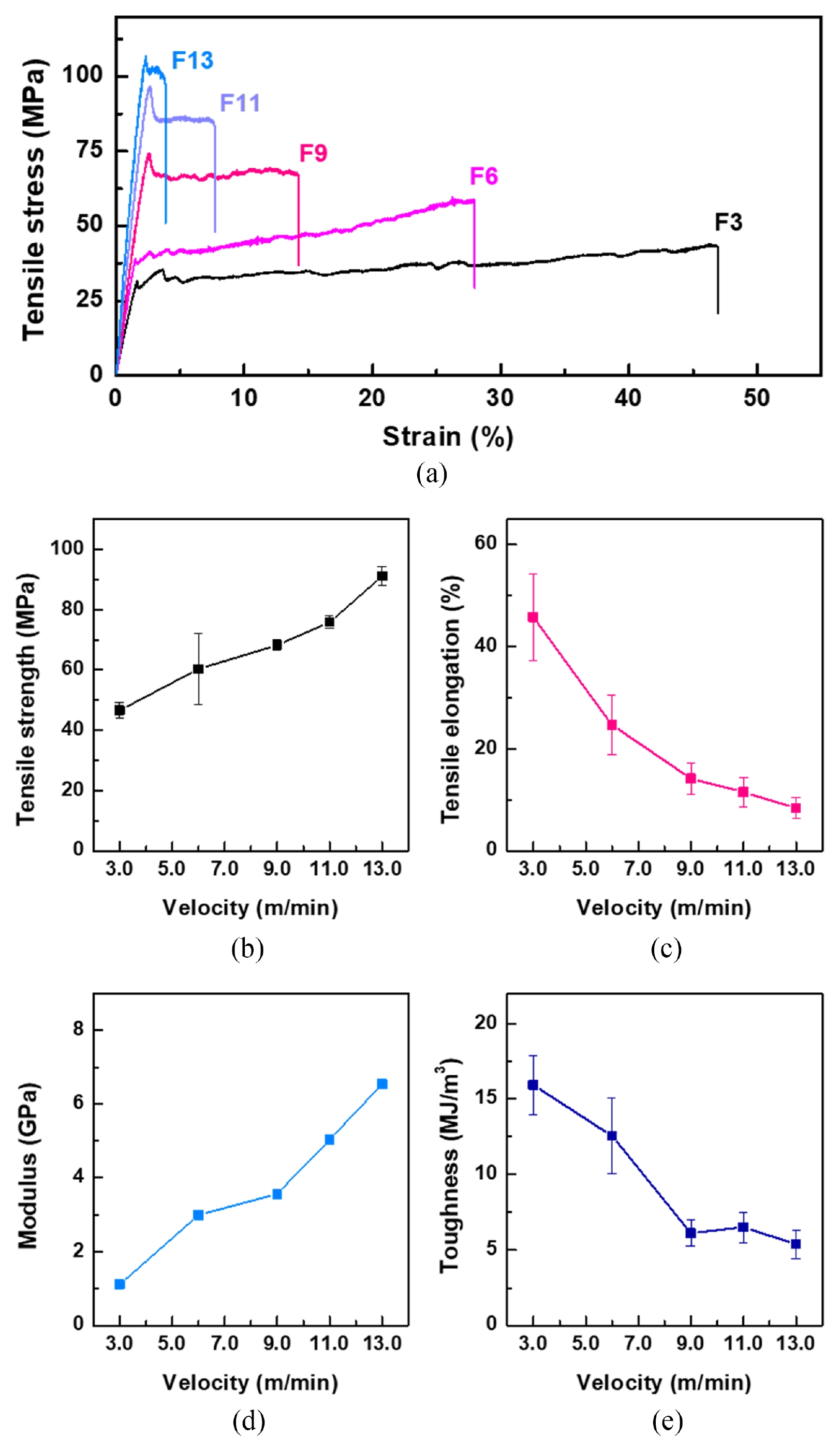
Fig. 6은 프린팅 속도에 따라 제조된 PLA Hair의 인장 거동과 기계적 특성 변화를 나타낸다. 본 연구에서 프린팅 속도는 단순히 섬유 직경을 조절하는 공정 변수에 그치지 않고, 노즐 외부에서 용융 PLA에 인가되는 연신 이력과 냉각 조건을 동시에 변화시키는 핵심 변수로 작용한다.
Fig. 5에서 확인한 바와 같이 프린팅 속도가 증가할수록 PLA Hair의 직경은 감소하며, 이는 동일한 토출량의 용융 PLA가 더 빠른 수평 이동 속도에 의해 강하게 연신되기 때문이다. 따라서
Fig. 6의 기계적 특성 변화는 프린팅 속도 증가에 따른 기하학적 연신, 분자 배향 및 냉각 이력의 복합적인 결과로 해석될 수 있다.
Fig. 6(a)는 서로 다른 프린팅 속도 조건에서 제조된 PLA Hair의 대표적인 응력–변형률 곡선을 보여준다. 상대적으로 낮은 프린팅 속도 조건인 F6 시편은 낮은 초기 기울기와 큰 파단 변형률을 나타냈으며, 변형 과정에서 비교적 연성적인 거동을 보였다. 반면 프린팅 속도가 증가한 F9, F11 및 F13 시편에서는 응력–변형률 곡선의 초기 기울기가 뚜렷하게 증가하고, 파단 변형률은 감소하였다. 특히 고속 조건에서 제조된 PLA Hair는 작은 변형률 영역에서 높은 응력에 도달한 후 파단되는 경향을 보였으며, 이는 섬유 축 방향의 강성 및 하중 전달 능력이 증가한 반면, 변형을 수용할 수 있는 연성은 제한되었음을 의미한다.
Fig. 6(b)는 프린팅 속도에 따른 인장강도 변화를 보여준다. 프린팅 속도가 증가함에 따라 PLA Hair의 Tensile Strength는 뚜렷하게 증가하였으며, 약 45 수준에서 90 MPa 수준까지 향상되는 경향을 보였다. 이러한 강도 증가는 단순히 섬유 직경 감소에 따른 크기 효과만으로 설명되기 어렵다. 이는 프린팅 중 용융 또는 고무상 상태의 PLA 사슬이 강한 일축 연신으로 섬유 축 방향으로 배향되고, 이렇게 정렬된 사슬이 인장 하중을 효율적으로 전달하여 더 높은 파단 응력을 나타내기 때문이다.
Fig. 6(c)는 프린팅 속도에 따른 인장신율 변화를 나타낸다. 프린팅 속도가 증가함에 따라 PLA Hair의 Elongation은 지속적으로 감소하였다. 이는 고속 프린팅 조건에서 PLA 사슬이 섬유 축 방향으로 강하게 정렬되면서, 인장 변형 중 추가적인 사슬 풀림, 회전 및 재배열이 제한되었기 때문으로 판단된다. 낮은 속도에서 제조된 PLA Hair는 상대적으로 배향도가 낮고 비정질 사슬의 자유도가 크기 때문에 인장 중 더 큰 변형을 수용할 수 있다. 반면 고속 조건에서는 이미 제조 과정에서 상당한 일축 연신 이력이 부여되어 사슬이 축 방향으로 정렬되어 있으므로, 외부 인장 하중이 가해졌을 때 추가적으로 변형될 수 있는 구조적 여유가 작아진다.
Fig. 6(d)는 프린팅 속도에 따른 Modulus 변화를 나타낸다. 프린팅 속도가 증가함에 따라 PLA Hair의 탄성률은 약 1 수준에서 6.5 GPa 수준까지 크게 증가하였다. 탄성률은 인장 초기 변형 영역에서의 저항성을 나타내는 값이므로, 이 결과는 고속 프린팅 조건에서 제조된 PLA Hair가 축 방향으로 훨씬 더 강직한 구조를 갖게 되었음을 의미한다. 이는 연신 유도 배향(Drawing-induced Orientation)에 의해 고분자 사슬이 하중 방향과 평행하게 배열되면서, 사슬 간 얽힘의 무작위성보다 축 방향 응력 전달 경로가 우세해졌기 때문으로 판단된다.
반면
Fig. 6(e)에서 확인되는 Toughness는 프린팅 속도가 증가함에 따라 감소하는 경향을 보였다. Toughness는 응력–변형률 곡선 아래 면적에 해당하므로, 강도와 연신율의 영향을 동시에 받는다. 고속 프린팅 조건에서는 인장강도와 탄성률은 증가 하지만, 인장신율이 크게 감소하기 때문에 전체적으로 흡수 가능한 변형 에너지는 낮아진다. 즉, 고속 프린팅으로 제조된 PLA Hair는 강하고 강직한 섬유로 전환되지만, 큰 변형을 견디며 에너지를 흡수하는 능력은 감소한다. 이는 배향 고분자 섬유에서 일반적으로 관찰되는 강성–연성 간 Trade-off와 일치한다.
이러한 기계적 특성 변화는
Fig. 4의 냉각 속도 의존적 결정화 거동과 함께 해석할 필요가 있다.
Fig. 4에서 확인한 바와 같이 냉각 속도가 증가할수록 PLA의 열역학적 결정화는 억제되며, 빠른 냉각 조건에서는 무정형에 가까운 구조가 형성될 가능성이 커진다. 한편 프린팅 속도가 증가하면
Fig. 5에서 나타난 것처럼 PLA Hair의 직경이 감소하고, 이에 따라 표면적 대 부피비가 증가하여 실제 공정 중 냉각 속도 역시 빨라질 수 있다. 따라서 고속 프린팅 조건에서 인장강도와 탄성률이 증가한 현상은 결정화도 증가에 의한 효과로 해석하기 어렵다.
오히려
Fig. 6의 결과는 고속 프린팅 과정에서 발생하는 연신 유도 배향이 PLA Hair의 기계적 성능을 지배한다는 점을 시사한다. 250
oC에서 완전히 용융된 PLA는 노즐을 빠져나온 뒤 프린팅 방향으로 빠르게 당겨지며, 이 과정에서 사슬은 섬유 축 방향으로 정렬된다. 이후 섬유가 냉각되면서
Tg 이하로 도달하면 사슬 운동성이 급격히 감소하고, 연신 과정에서 형성된 배향 구조가 동결된다. 이와 같이 형성된 배향 구조는 축 방향 인장 하중에 대해 높은 강도와 탄성률을 제공하지만, 사슬의 무작위 재배열과 소성 변형 가능성을 제한하여 Elongation과 Toughness를 감소시킨다.
따라서
Fig. 6은 본 연구에서 제조된 PLA Hair가 단순한 압출 필라멘트가 아니라, 프린팅 속도에 의해 분자 구조와 기계적 응답이 조절되는 배향 고분자 섬유임을 보여준다. 저속 프린팅 조건에서는 상대적으로 낮은 배향도와 큰 변형 가능성으로 인해 연성적 거동이 우세하게 나타나는 반면, 고속 프린팅 조건에서는 강한 연신 이력과 급속 냉각에 의해 축 방향 배향 구조가 고정되어 높은 강도와 탄성률, 낮은 인장신율 및 낮은 Toughness를 갖는 이방성 섬유 거동이 발현된다.
종합하면,
Fig. 6은 프린팅 속도가 PLA Hair의 기계적 특성을 결정하는 핵심 공정 변수임을 보여준다. 프린팅 속도 증가에 따라 PLA Hair는 더 작은 직경으로 연신 될 뿐만 아니라, 고분자 사슬이 섬유 축 방향으로 강하게 배향되어 인장강도와 탄성률이 크게 향상된다. 반면 배향 구조의 고정은 사슬 재배열과 변형 수용 능력을 제한하므로 Elongation과 Toughness를 감소시킨다. 이러한 결과는
Fig. 4에서 제시된 빠른 냉각에 의한 결정화 억제와
Fig. 5에서 제시된 기하학적 연신 모델을 함께 고려할 때, 고속 FDM 조건에서 PLA Hair의 물성 향상은 결정화도 증가보다는 연신 유도 배향에 의해 주도된다는 결론을 뒷받침한다.
4. 결론
본 연구에서는 자연계 포유류 털과 인공 Hair-like Surface에서 관찰되는 미세 섬유 구조를 모사하기 위해 FDM 기반 PLA Hair 제조 공정을 제안하였다. 실제 Hair 구조는 100 μm 이하, 나아가 수십 마이크로미터 수준의 직경을 갖는 고종횡비 섬유들이 집합적으로 배열된 형태를 가지므로, 단순히 얇은 섬유를 제조하는 것뿐만 아니라 섬유의 위치, 방향 및 배열을 제어할 수 있는 공정이 요구된다. 본 연구에서는 상용 FDM 장비와 PLA 필라멘트를 이용하여, 노즐에서 250oC로 완전히 용융된 PLA를 압출한 뒤 프린팅 방향으로 연속적으로 연신함으로써 Hair-like Fiber를 제조하였다. 열분석 결과, PLA는 해당 공정온도에서 충분히 용융되며 열분해 온도보다 낮은 안정한 가공 범위에 있음을 확인하였다. 또한 냉각 속도가 증가할수록 PLA의 열역학적 결정화가 억제되는 비등온 결정화 거동을 보였으며, 이는 고속 프린팅 조건에서 최종 구조가 결정화도 증가보다는 연신 이력과 급속 냉각에 의해 지배될 수 있음을 시사한다.
프린팅 속도는 PLA Hair의 직경을 결정하는 핵심 공정 변수로 확인되었다. 속도가 증가함에 따라 섬유 직경은 비선형적으로 감소하였으며, 비선형 회귀 분석 결과 D ≈ 106.3v-1.45 의 관계를 나타냈다. 이는 연속 방정식으로부터 예측되는 D ∝ v-0.5 스케일링과 거의 일치하며, 본 공정의 직경 제어가 질량 보존에 기반한 기하학적 연신 메커니즘에 의해 지배됨을 보여준다. 또한 프린팅 속도 증가에 따라 인장강도와 탄성률은 증가한 반면, 인장신율과 Toughness는 감소하였다. 이러한 물성 변화는 고속 프린팅 과정에서 용융 또는 고무상 PLA 사슬이 섬유 축 방향으로 강하게 배향되고, 이후 냉각에 의해 해당 배향 구조가 고정된 결과로 판단된다.
한편 Hair Tile과 같은 기능성 Hair-like Surface의 촉감 및 기능성은 단일 섬유의 직경과 인장 특성만으로 결정되지 않고, 섬유 간 배열 간격, 단위 면적당 섬유 밀도, 그리고 굽힘 유연성에 의해 함께 좌우된다. 본 연구에서 확보한 프린팅 속도 기반 직경·물성 제어는 이러한 표면 수준 설계의 기초가 되며, 향후 노즐 경로 설계를 통한 배열 간격 및 밀도 제어와 결합함으로써 다양한 촉감과 기능을 갖는 Hair Tile로 확장될 수 있다. 예를 들어 탄성감 있는 단단한 털 촉감을 구현하려면 섬유의 Modulus를 높이고 섬유 간 간격을 좁히는 방향이, 반대로 부드럽고 유연한 촉감을 위해서는 직경과 Modulus를 낮추는 방향이 적합할 수 있다. 이와 같이 직경, 물성, 배열을 통합적으로 제어하는 후속 연구를 통해 본 공정의 응용 범위를 더욱 넓힐 수 있을 것으로 기대된다.
종합하면, 본 연구는 FDM 공정에서 프린팅 속도 제어만으로 PLA Hair의 직경과 기계적 특성을 예측 가능하게 조절할 수 있음을 입증하였다. 특히 직경 감소가 연속 방정식 기반의 기하학적 연신 모델과 정량적으로 일치하고, 기계적 강화가 연신 유도 배향에 의해 설명된다는 점은 FDM 공정 변수가 단순한 형상 제어 인자를 넘어 고분자 사슬 구조와 최종 물성을 결정하는 구조화 인자임을 보여준다. 따라서 본 연구는 FDM 적층 제조가 생체 모사형 Hair Tile 및 기능성 섬유성 표면 제조를 위한 유효한 공정 플랫폼으로 확장될 수 있음을 제시한다.
FOOTNOTES
-
ACKNOWLEDGEMENT
본 연구는 한국고분자시험연구소의 2025 콥트리 R&D 분석 바우처 지원사업의 지원을 받아 수행되었음.
Fig. 1(a) Photograph of a dog and the corresponding optical microscope (OM) image of a single dog hair strand, (b) Photographs of cats and the corresponding OM image of a single cat hair strand, (c) Photograph of a human subject and the corresponding OM image of a single human hair strand, (d) Photograph of a hair-themed toy figure and the OM image of a single FDM-printed PLA hair strand fabricated in this study, and (e) Diameter ranges of natural hair strands from seven representative mammalian species (Horse, Dog, Otter, Cattle, Human, Cat, and Rabbit), plotted with error bars indicating the variation reported in the literature. Scale bars in (a)–(d): 100 μm
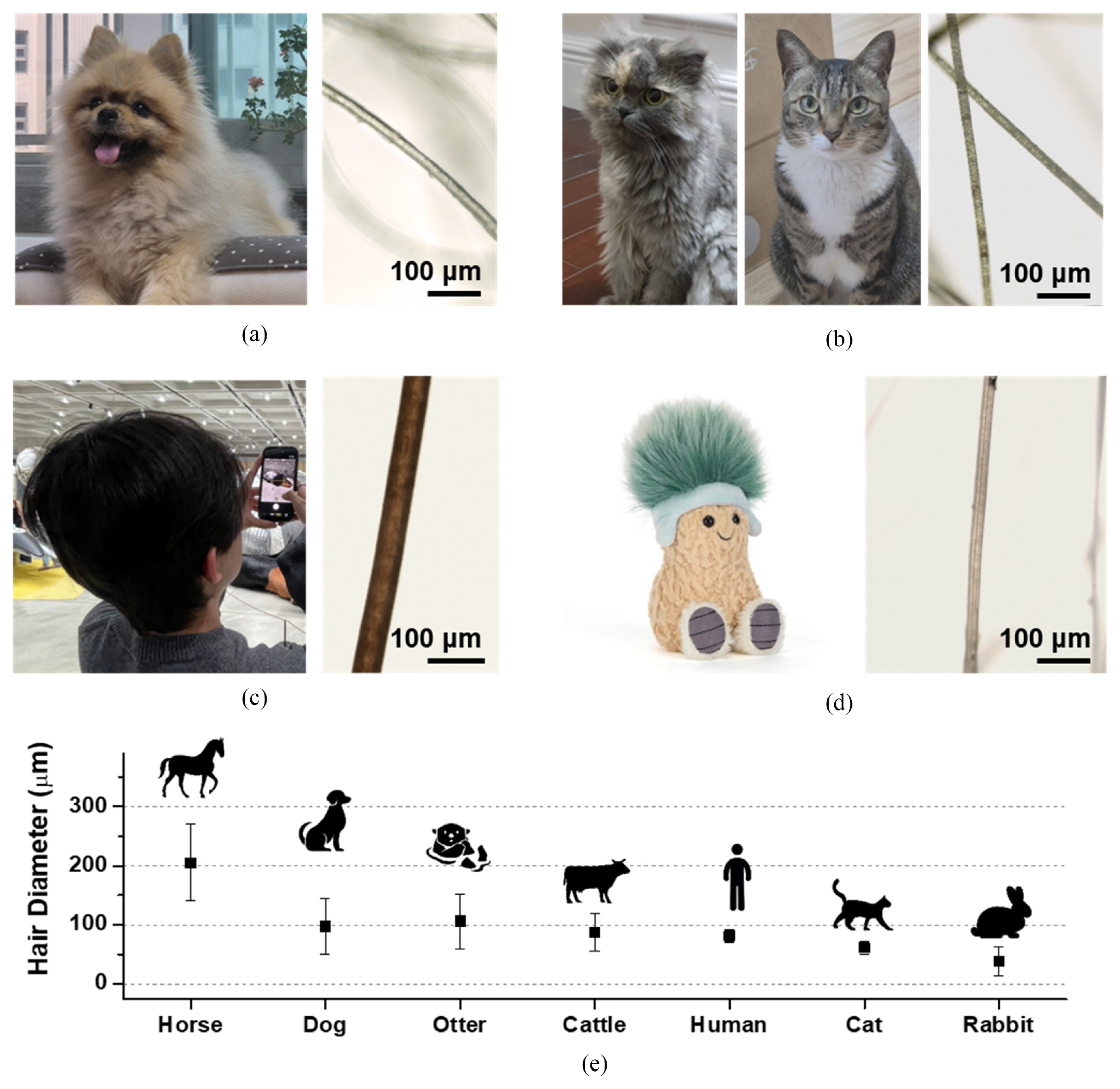
Fig. 2Fabrication of FDM-printed PLA hair structures. (a) FDM 3D printer (X1 Carbon, Bambu Lab) and (b) PLA basic filament (Bambu Lab) used in this study, (c) Schematic of the hair printing process: heated PLA is extruded through the nozzle and deposited horizontally at a controlled feed rate to form a single hair strand, and (d) As-printed Hair specimen with left and right bases and parallel hair strands. Scale bar in (d): 5 cm
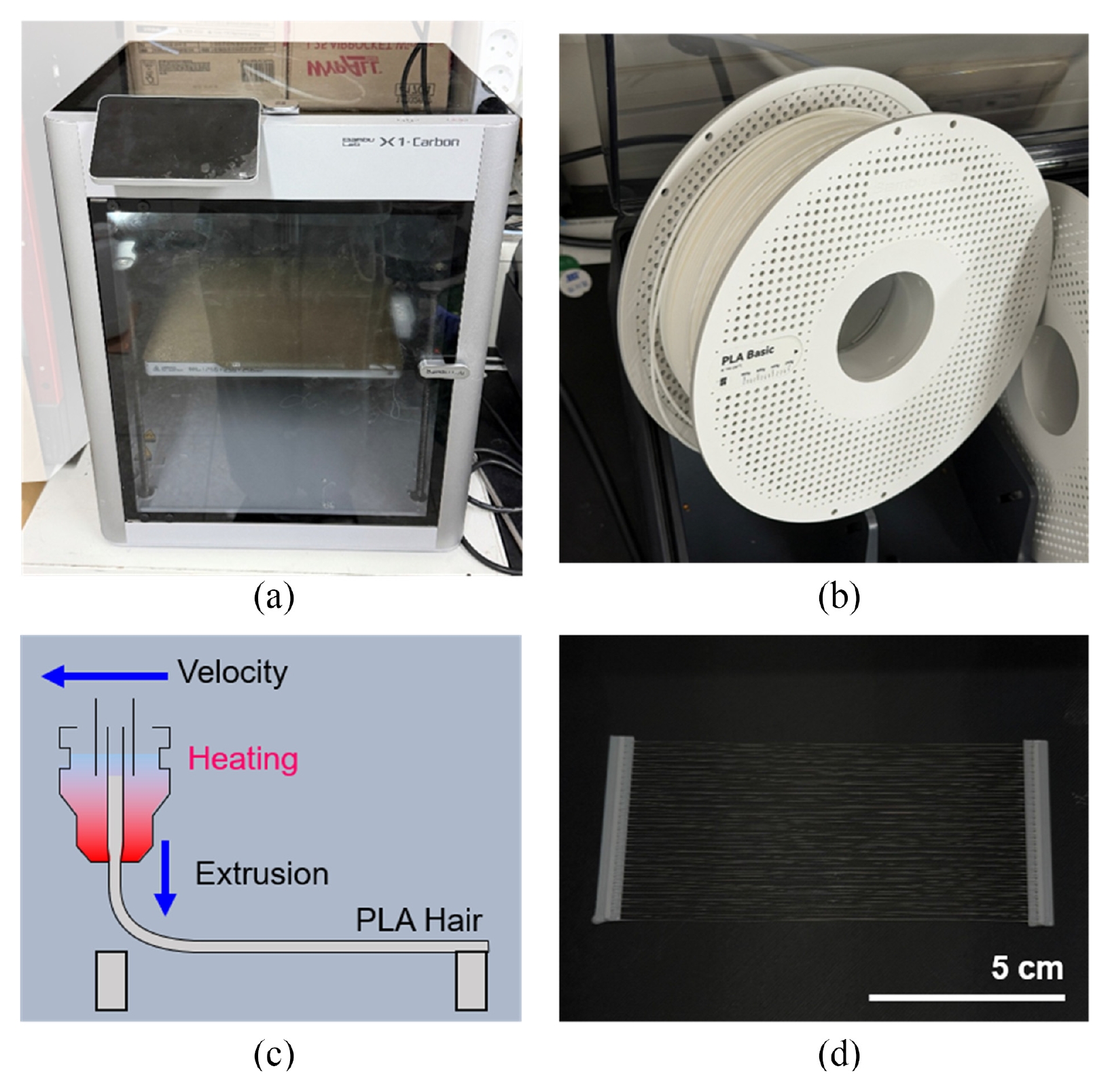
Fig. 3Thermal characterization of the PLA filament. (a) TGA thermograms under N2 (black) and Air (red) at 10°C/min, (b) DSC 1st heating thermograms at 10, 20, and 30°C/min, showing Tg and Tm, and (c) DSC cooling scans after melting at 250°C, measured at the same three heating rates. All DSC measurements were performed under N2 from 20 to 250°C
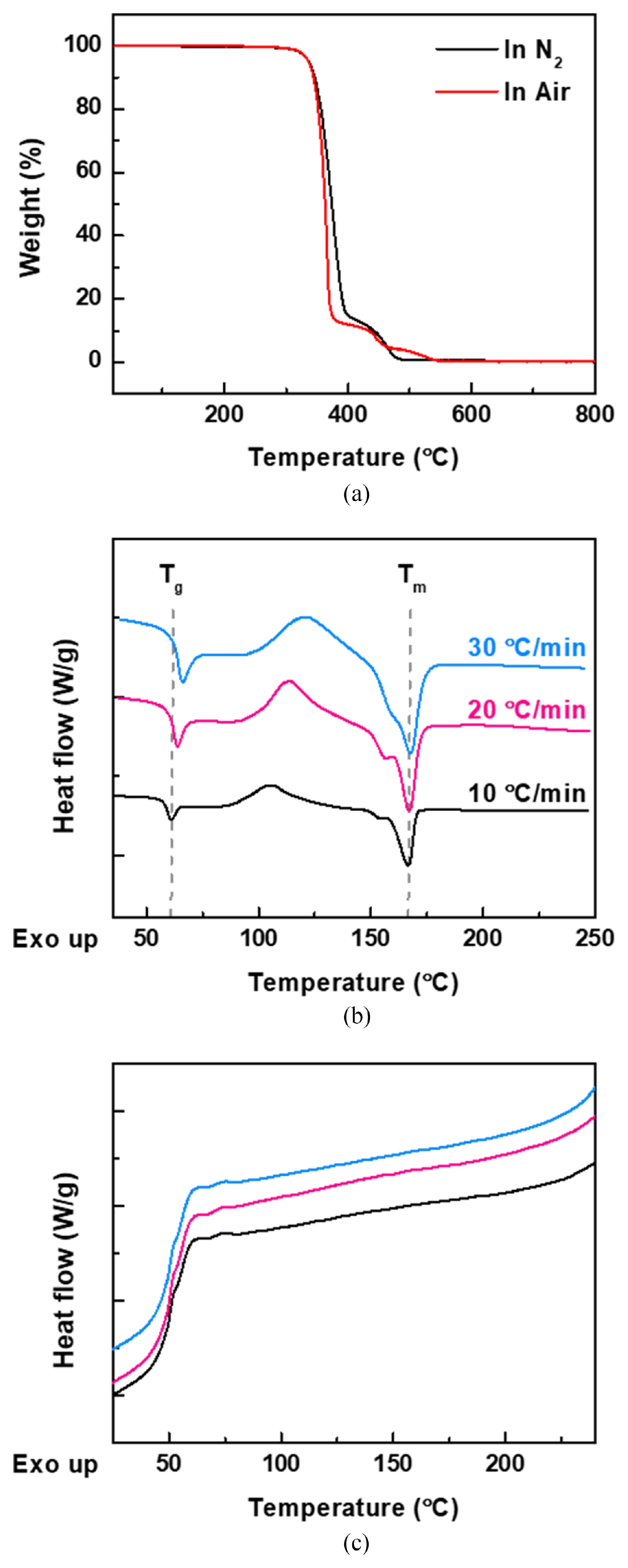
Fig. 4Effect of cooling rate on the non-isothermal crystallization behavior of PLA. (a) DSC temperature programs at six cooling rates (5–30 °C/min), (b) 2nd heating thermograms after cooling at each rate, showing cold crystallization and melting, (c) Contour map of heat flow as a function of temperature and cooling rate, reconstructed from (b); red and blue regions indicate exothermic and endothermic responses, respectively, and (d) Glass transition temperature as a function of cooling rate, obtained from the 2nd heating thermograms
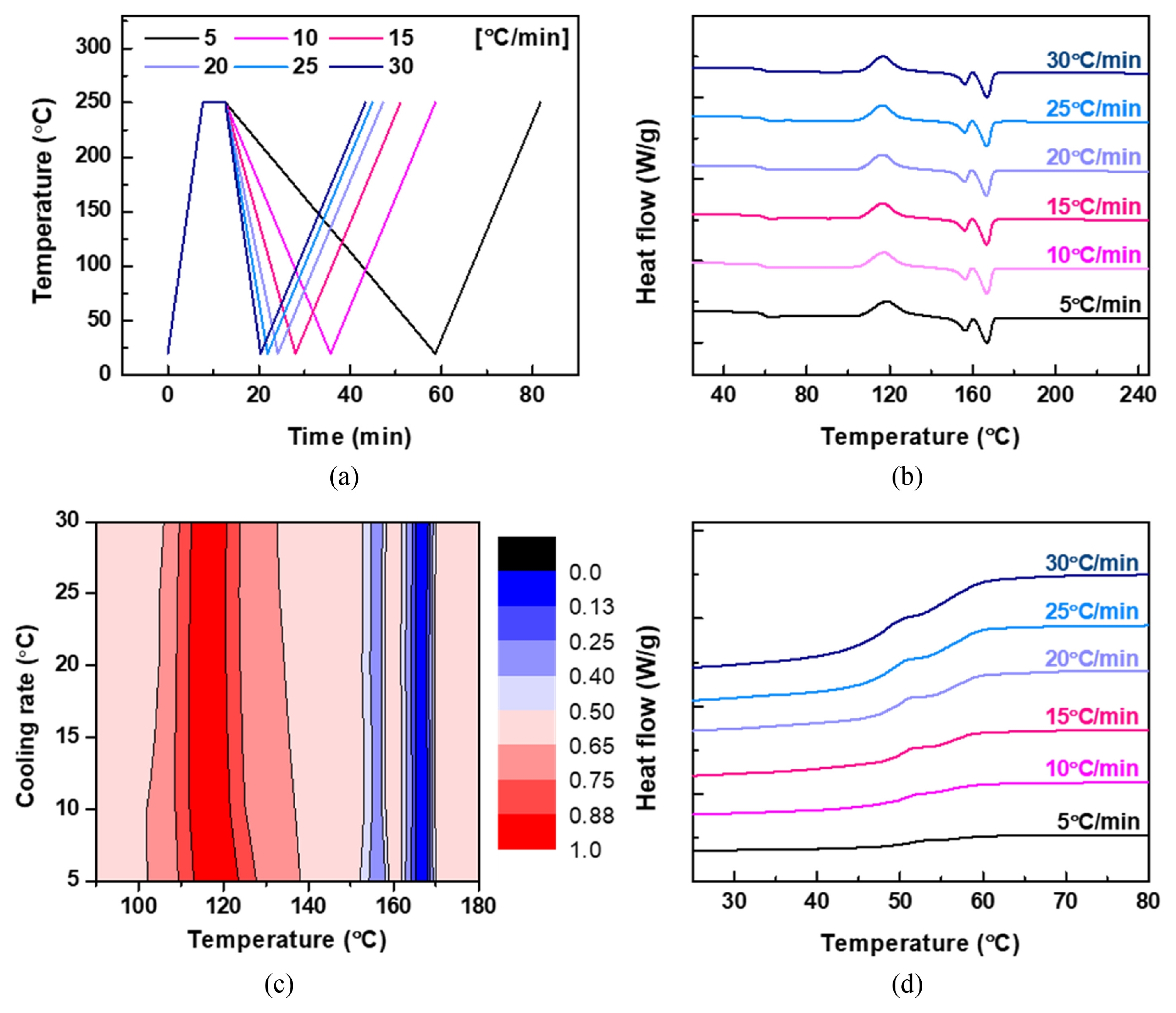
Fig. 5Diameter variation of FDM-printed PLA hair with printing speed. (a) OM images of hair strands at increasing printing speeds (left to right), (b) Average fiber diameter as a function of printing speed (v, m/min). Error bars: standard deviations (n = 10). Dashed curve: power-law fit, Dia. = 106.3·v−045
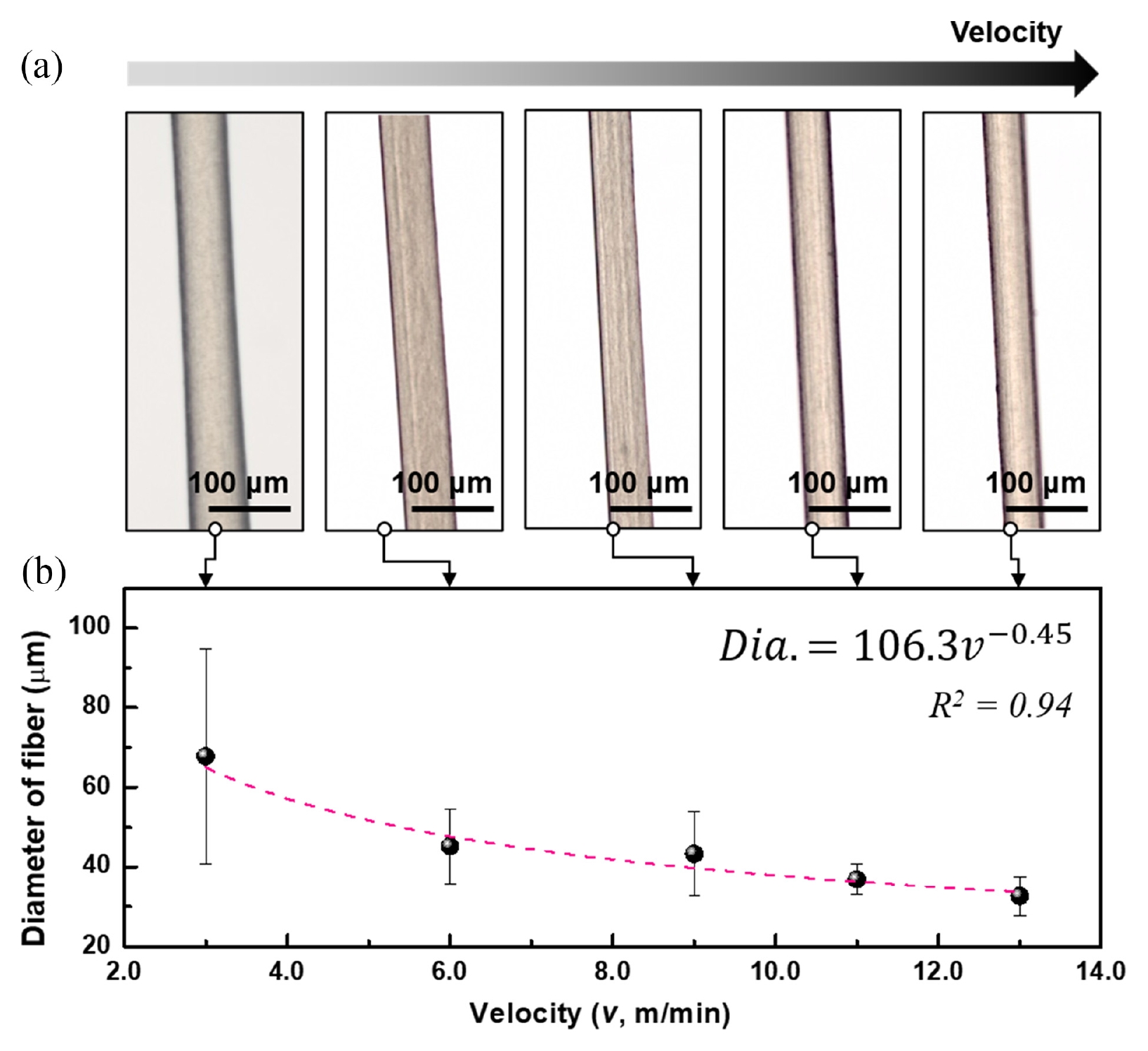
Fig. 6Tensile properties of FDM-printed PLA hair fabricated at different printing speeds. (a) Representative tensile stress–strain curves of the PLA hair specimens prepared at five different printing speeds (F3, F6, F9, F11, and F13), (b) Tensile strength, (c) Tensile elongation, (d) Elastic modulus, and (e) Toughness plotted as a function of printing speed (v, m/min). All data points represent the average values, and error bars denote the standard deviations
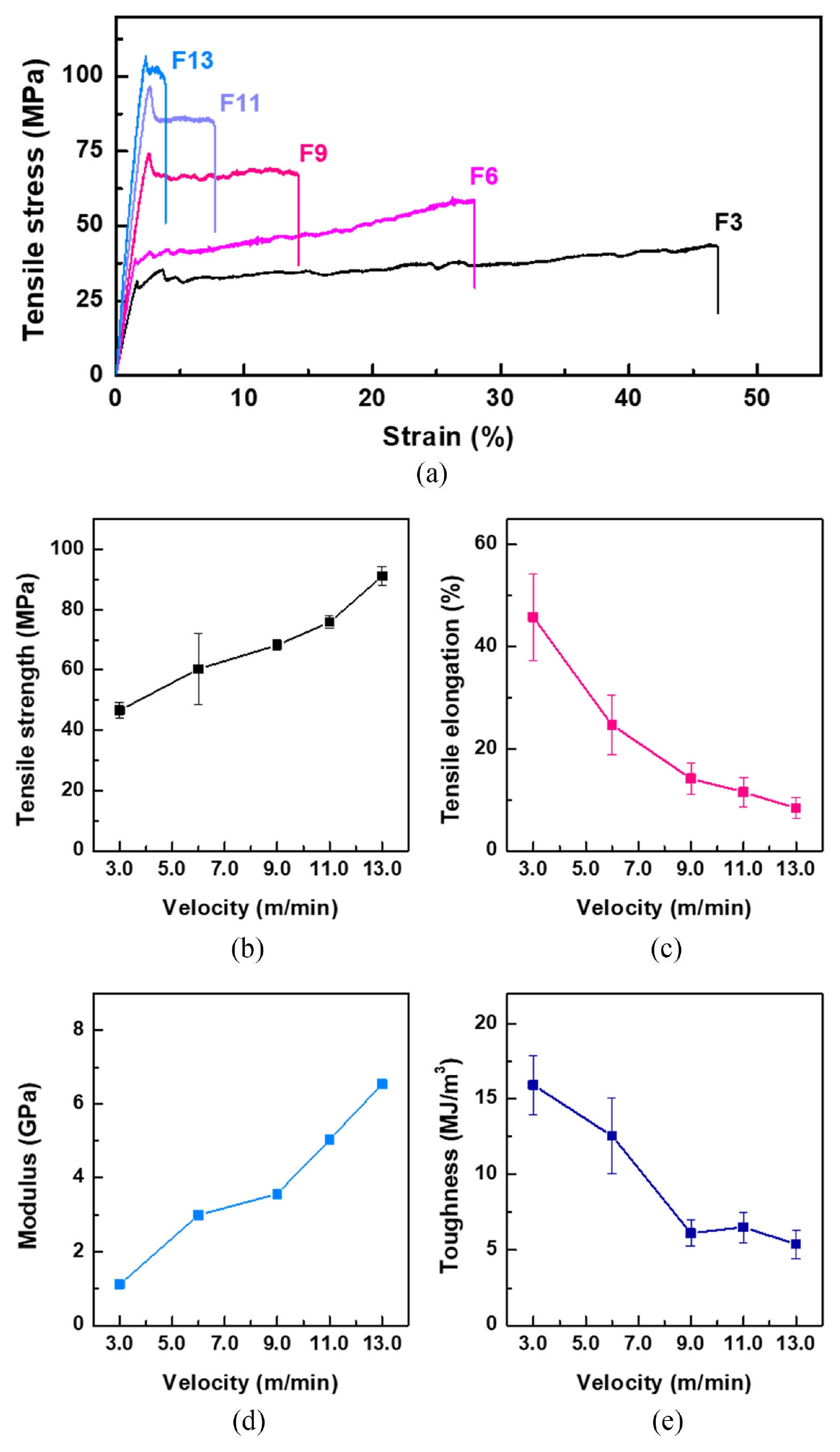
Table 1Comparison of measured hair diameters of horse, dog, otter, cattle, human, cat, and rabbit
Table 1
|
Diameter [μm] |
Ref. |
|
Horse |
205±65 |
[14] |
|
Dog |
97±67 |
[15] |
|
Otter |
106±45 |
[16] |
|
Cattle |
86±34 |
[17] |
|
Human |
81±8 |
[18] |
|
Cat |
61±15 |
[19] |
|
Rabbit |
38±25 |
[20] |
Table 2Thermal transition temperatures of the PLA filament obtained from DSC 1st heating and cooling scans at three different heating rates
Table 2
|
Heating rate [°C/min] |
Tg [°C] |
Tc [°C] |
Tm [°C] |
Tg (cooling) [°C] [onset] |
|
10 |
57.64 |
105.97 |
166.76 |
56.18 [50.56] |
|
20 |
59.93 |
113.78 |
167.05 |
55.29 [50.46] |
|
30 |
61.74 |
121.37 |
167.62 |
55.85 [50.48] |
Table 3Glass transition and melting temperatures of PLA obtained from the DSC 2nd heating scans at different cooling rates
Table 3
|
Condition |
4 |
5 |
6 |
7 |
8 |
9 |
|
Cooling rate [°C/min] |
5 |
10 |
15 |
20 |
25 |
30 |
|
Tg [°C] |
60.1 |
59.9 |
59.8 |
59.5 |
59.6 |
59.9 |
|
Tm1 [°C] |
156.7 |
156.5 |
156.3 |
156.1 |
156.2 |
156.4 |
|
Tm2 [°C] |
167.0 |
166.9 |
166.9 |
166.7 |
166.9 |
167.0 |
REFERENCES
- 1. Koch, K., Bhushan, B., Barthlott, W., (2009), Multifunctional surface structures of plants: An inspiration for biomimetics, Progress in Materials Science, 54(2), 137-178.
- 2. Seale, M., Cummins, C., Viola, I. M., Mastropaolo, E., Nakayama, N., (2018), Design principles of hair-like structures as biological machines, Journal of the Royal Society Interface, 15(142), 20180206.
- 3. Wortmann, F., Schwan-Jonczyk, A., (2006), Investigating hair properties relevant for hair ‘handle’. Part I: Hair diameter, bending and frictional properties 1, International Journal of Cosmetic Science, 28(1), 61-68.
- 4. Etnier, S. A., (2003), Twisting and bending of biological beams: distribution of biological beams in a stiffness mechanospace, The Biological Bulletin, 205(1), 36-46.
- 5. Hufenus, R., Yan, Y., Dauner, M., Kikutani, T., (2020), Melts-pun fibers for textile applications, Materials, 13(19), 4298.
- 6. He, X., Zheng, J., Yu, G., You, M., Yu, M., Ning, X., Long, Y., (2017), Near-field electrospinning: progress and applications, The Journal of Physical Chemistry C, 121(16), 8663-8678.
- 7. Daminabo, S. C., Goel, S., Grammatikos, S. A., Nezhad, H. Y., Thakur, V. K., (2020), Fused deposition modeling-based additive manufacturing (3D printing): techniques for polymer material systems, Materials Today Chemistry, 16, 100248.
- 8. Laput, G., Chen, X., Harrison, C., (2015), 3D printed hair: Fused deposition modeling of soft strands, fibers, and bristles, Proceedings of the 28th Annual ACM Symposium on User Interface Software & Technology, 593-597.
- 9. Geng, P., Zhao, J., Wu, W., Ye, W., Wang, Y., Wang, S., Zhang, S., (2019), Effects of extrusion speed and printing speed on the 3D printing stability of extruded PEEK filament, Journal of Manufacturing Processes, 37, 266-273.
- 10. McIlroy, C., Graham, R., (2018), Modelling flow-enhanced crystallisation during fused filament fabrication of semi-crystalline polymer melts, Additive Manufacturing, 24, 323-340.
- 11. ul Islam, T., Wang, Y., Aggarwal, I., Cui, Z., Eslami Amirabadi, H., Garg, H., Kooi, R., Venkataramanachar, B. B., Wang, T., Zhang, S., (2022), Microscopic artificial cilia–a review, Lab on a Chip, 22(9), 1650-1679.
- 12. Shen, M., Deng, S., Pi, H., Ren, Z., Zhu, Y., Ikkala, O., Zhang, H., Qin, C., Cheng, S., (2025), Electrostatic flocking: Reborn to embrace multifunctional applications, Small Structures, 6(9), 2500143.
- 13. Konno, S., Asanuma, K., Nonomura, Y., (2025), Tactile sensation and attractiveness of hair bundles in the combing process, Scientific Reports, 15(1), 24036.
- 14. Üstüntağ, S., Paşayev, N., (2025), Physical, thermal and mechanical properties of horse tail and mane hairs, Research Journal of Textile and Apparel, 29(2), 341-355.
- 15. Mak, D. S. Y., Lai, W. K. W., (2022), Preliminary forensic study of hair morphology and micrometry of small-sized dog breeds, International Journal of Scientific Research in Science and Technology, 9(2), 170-178.
- 16. Kuhn, R. A., (2009), Comparative analysis of structural and functional hair coat characteristics, including heat loss regulation, in the Lutrinae (Carnivora: Mustelidae), Ph.D. Thesis, University of Hamburg.
- 17. Barreto, A. N., Jacintho, M. A. C., Barioni, W. Junior, Pereira, A. M. F., Costa, L. N., Brandão, F. Z., Romanello, N., Azevedo, G. N., Garcia, A. R., (2024), Adaptive integumentary features of beef cattle raised on afforested or non-shaded tropical pastures, Scientific Reports, 14(1), 16951.
- 18. Leerunyakul, K., Suchonwanit, P., (2020), Asian hair: a review of structures, properties, and distinctive disorders, Clinical, Cosmetic and Investigational Dermatology, 13, 309-318.
- 19. Sato, H., Matsuda, H., Kubota, S., Kawano, K., (2006), Statistical comparison of dog and cat guard hairs using numerical morphology, Forensic Science International, 158(2–3), 94-103.
- 20. Rafat, S. A., De Rochambeau, H., Brims, M., Thébault, R., Deretz, S., Bonnet, M., Allain, D., (2007), Characteristics of Angora rabbit fiber using optical fiber diameter analyzer, Journal of Animal Science, 85(11), 3116-3122.
Biography
- TaeHyeon Yang
Undergraduate student in the Department of Materials Innovation Engineering, Dankook University His research interest is the functional textiles for the fashion industry.
- Jong Hoon Kim
Ph. D. in Textile Engineering, Hanyang University (2011). He is currently the Director at the Korea Polymer Testing & Research Institute (KOPTRI).
- Ki Hong Park
Ph. D. in Organic Materials Engineering, Tokyo Institute of Technology (1994). He is currently the President at the Korea Polymer Testing & Research Institute (KOPTRI).
- Wonsik Eom
Professor in the Department of Materials Innovation Engineering, Dankook University. His research interest is multidimensional fiber fabrication via wet spinning of two-dimensional nanomaterials and 3D printing of biomimetic constructs.